Fri, July 24, 2026 at 9:39 AM UTC

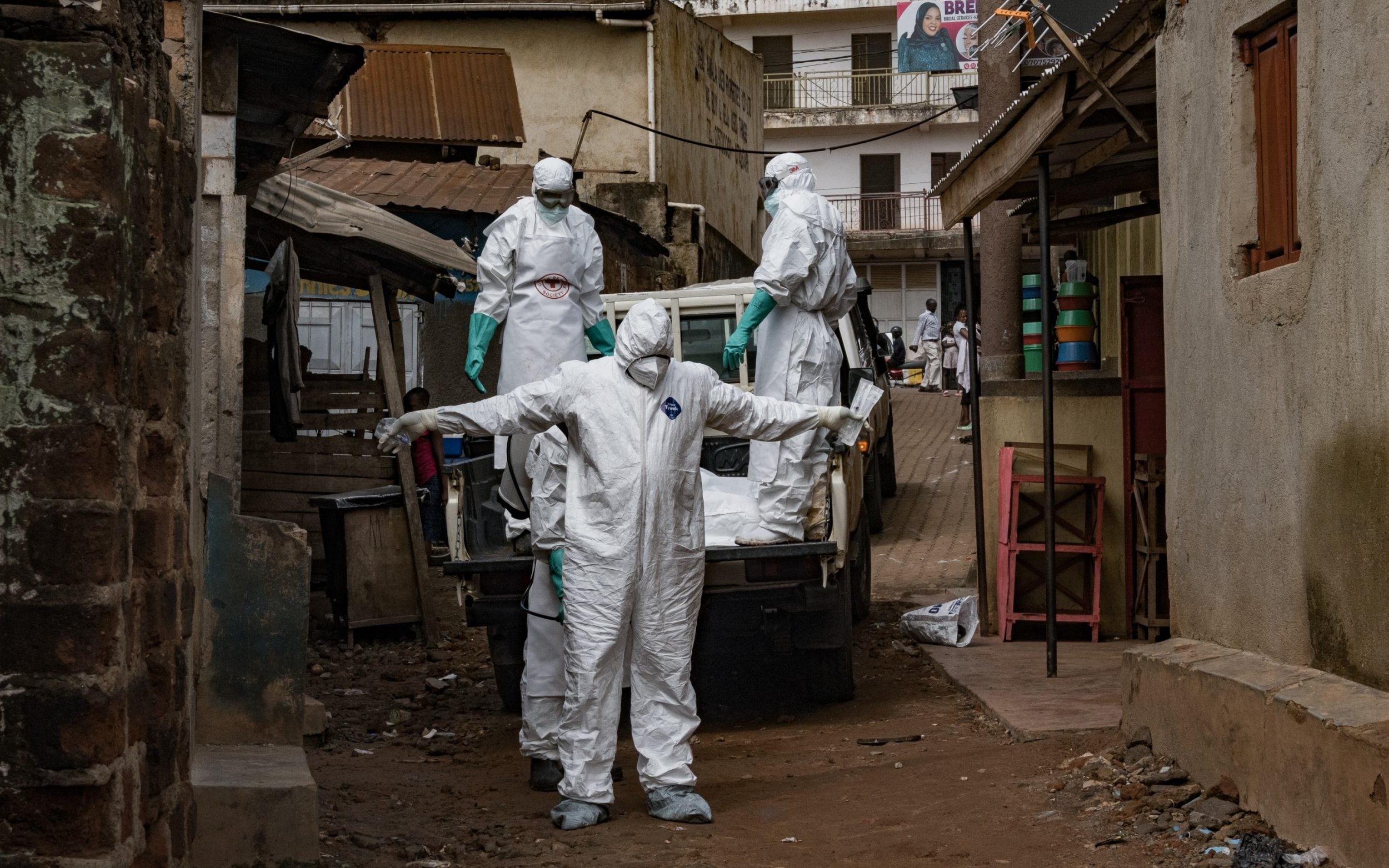
Africa is significantly better prepared for a pandemic than it was five years ago, a major review of the continent’s health security has found.
The review, which tracked dozens of health metrics across the continent, found that local and international investments in Africa’s health sector since the pandemic have “paid off.”
Investment in health by African governments grew rapidly during the pandemic. Post-pandemic, the average spend now sits at around 7.4 per cent of GDP, roughly $135 billion per year across the continent.
That figure still falls significantly below those of high-income countries, where the average spend on health sits at around 11.2 per cent of GDP.
The new African Health Security Index report found that almost every African country – 53 out of 54, excluding only the Republic of the Congo – has improved its ability to prevent, detect, and respond to disease outbreaks since 2021, the last time the index was updated.
Overall, the continent scores 41.2 out of 100 on its health security – up from 32.9 five years ago.
The score is built from hundreds of specific indicators covering things like how far people live from a hospital, how well infectious patients can be isolated, the size and training level of the health workforce, laboratory capacity, and the availability of vaccines and other critical medicines during an outbreak.

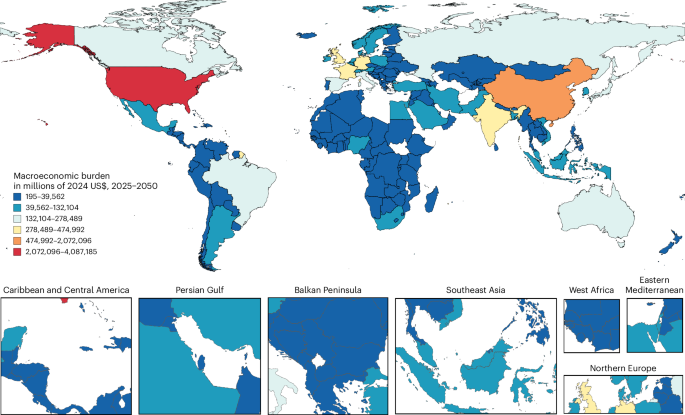
Under the related Global Health Security Index, which uses the same methodology, high-income countries score on average 61.6. The United States scores the highest at 75.9, while Britain’s health security measure sits at 67.2.
Biosecurity has also improved across the African continent since 2021, measured against factors like stronger legislation on containing samples of dangerous pathogens, training for staff in high-risk laboratories, and ensuring samples are transported securely – for example, from a rural clinic treating a sick patient to a central lab for testing.
The number of countries with an agency specifically responsible for biosafety legislation and regulation has also grown significantly. In 2021, only Nigeria had a dedicated biosecurity agency, but by 2026, 12 countries, including Burkina Faso, Mali, and Ghana, had established them as well.
The ability of countries to detect and report pathogens quickly has also improved considerably across West, East, and Southern Africa, the report found.
Uganda was singled out as having made one of the most dramatic improvements in disease detection. After introducing a programme in 2021 to ensure rapid reporting of outbreaks to the central government, 74 per cent of the country’s hospitals were reporting disease outbreaks within one day by 2026.
The East African country has reported outbreaks of Ebola and Marburg virus this year, and has been credited with successfully containing their spread.
But while health security infrastructure is improving in Africa, it is doing so unevenly.
Countries such as the Democratic Republic of Congo, which is currently battling the fastest-growing Ebola outbreak on record, still face challenges transporting samples long distances for testing and have gaps in laboratory coverage, both of which significantly delay the identification of infectious diseases.
Only eight African countries operate centralised systems that track which laboratories in their countries currently have samples of dangerous pathogens, like Yellow Fever, Ebola, and Mpox, from sick patients.

African countries are also still hugely reliant on imports, sourcing over 90 per cent of their health commodities from abroad. This means they are heavily susceptible to shocks to international supply chains, which periodically lead to shortages of essential medicines and equipment.
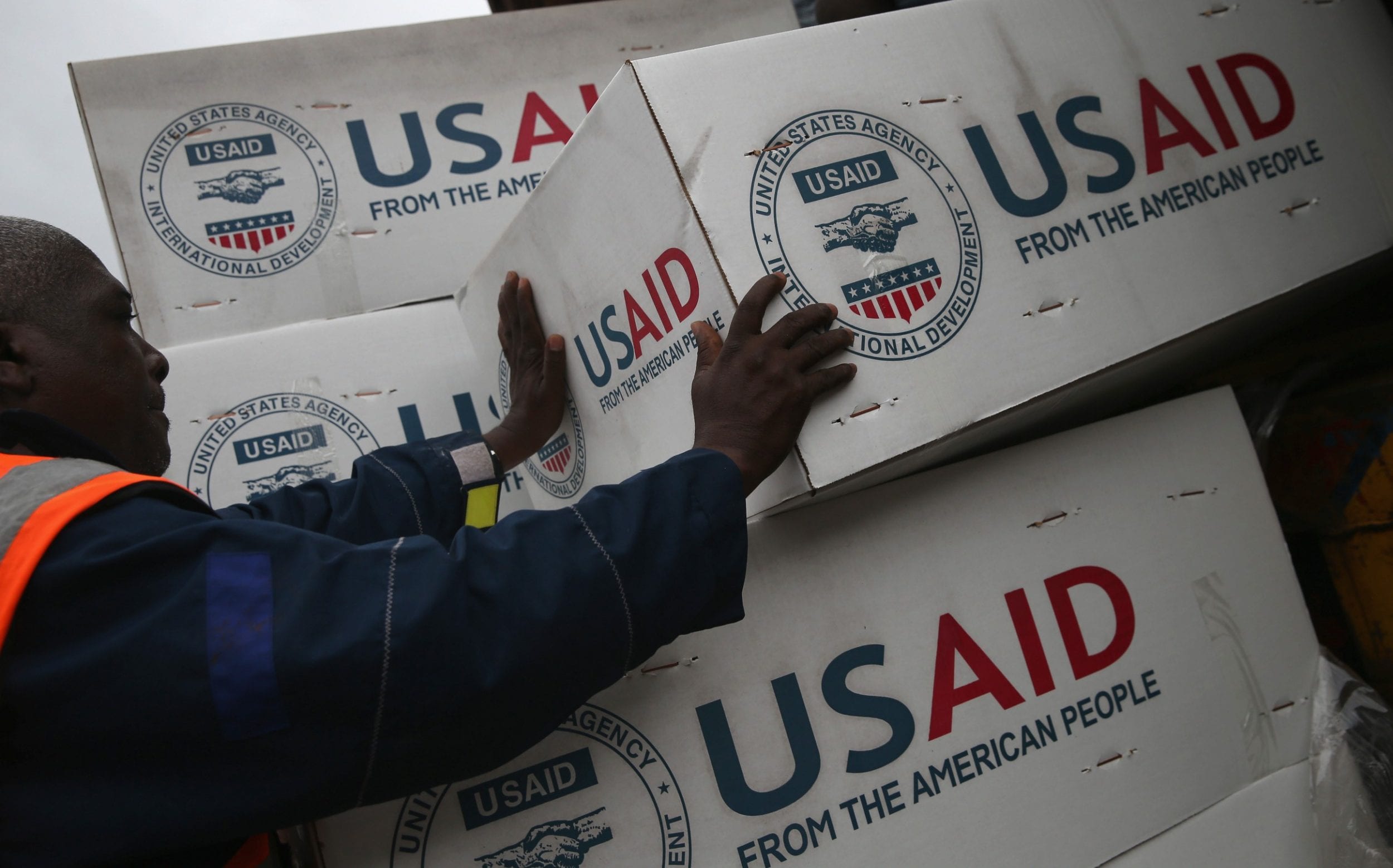
Foreign aid, which props up much of the African continent’s health infrastructure, has also shrunk significantly in the last year as dozens of governments, including the US, the UK, France, and Germany, have pulled back on their overseas assistance budgets.
Aid to Africa dropped by 23.1 per cent between 2024 and 2025, from $226.7 billion per year to $174.3 billion, with further falls expected over the next three years.
Dr Hayley Severance, Deputy Vice President, Global Biological Policy and Programs at the Nuclear Threat Initiative, told The Telegraph that although the current data indicates Africa’s health security has improved, it was collected before the full impact of aid cuts had been realised.
“It’s important to caveat that the African Health Security Index data was collected between June 2025 and January 2026, and so, while we are happy it shows important gains, it may not fully reflect the impact of declines in overseas development assistance.”
Both new and protracted conflict in the last five years – including <a href="https://www.telegraph.co.uk/global-health/terror-and-security/the-charts-that-show-sudans-war-is-the-worlds-deadliest/” rel=”nofollow noopener” target=”_blank”>unprecedented violence in Sudan and a resurgence of localised warfare in the Eastern flank of the Democratic Republic of Congo – have also created severe conditions that leave the continent more vulnerable to public health crises.
Both regions have been hit with serious outbreaks of diseases like cholera and mpox, the response to which has been severely hampered by ongoing violence and displacement.
Overall, however, the continent has made “substantial gains” in its ability to deploy and procure commodities like antivirals, vaccines, and PPE during outbreaks since the pandemic, when most African countries struggled to rapidly access key medical countermeasures to tackle the tide of Covid-19.
Initiatives like the 100-day mission – an initiative created by the international organisation the Coalition for Epidemic Preparedness (CEPI) that aims for vaccines to be available within 100 days of an outbreak – have helped the continent access critical re
For example, CEPI has funded three major vaccine trials to speed up the development of a jab capable of protecting against the Bundibugyo strain of Ebola currently spreading in the DRC.
It is hoped at least one candidate should be available by October, five months after the outbreak was first declared.
But despite marked improvements, Africa remains well behind wealthier parts of the world on its own health spending.
“Investments in health security are working, but critical and substantial gaps remain,” said Dr Severance.

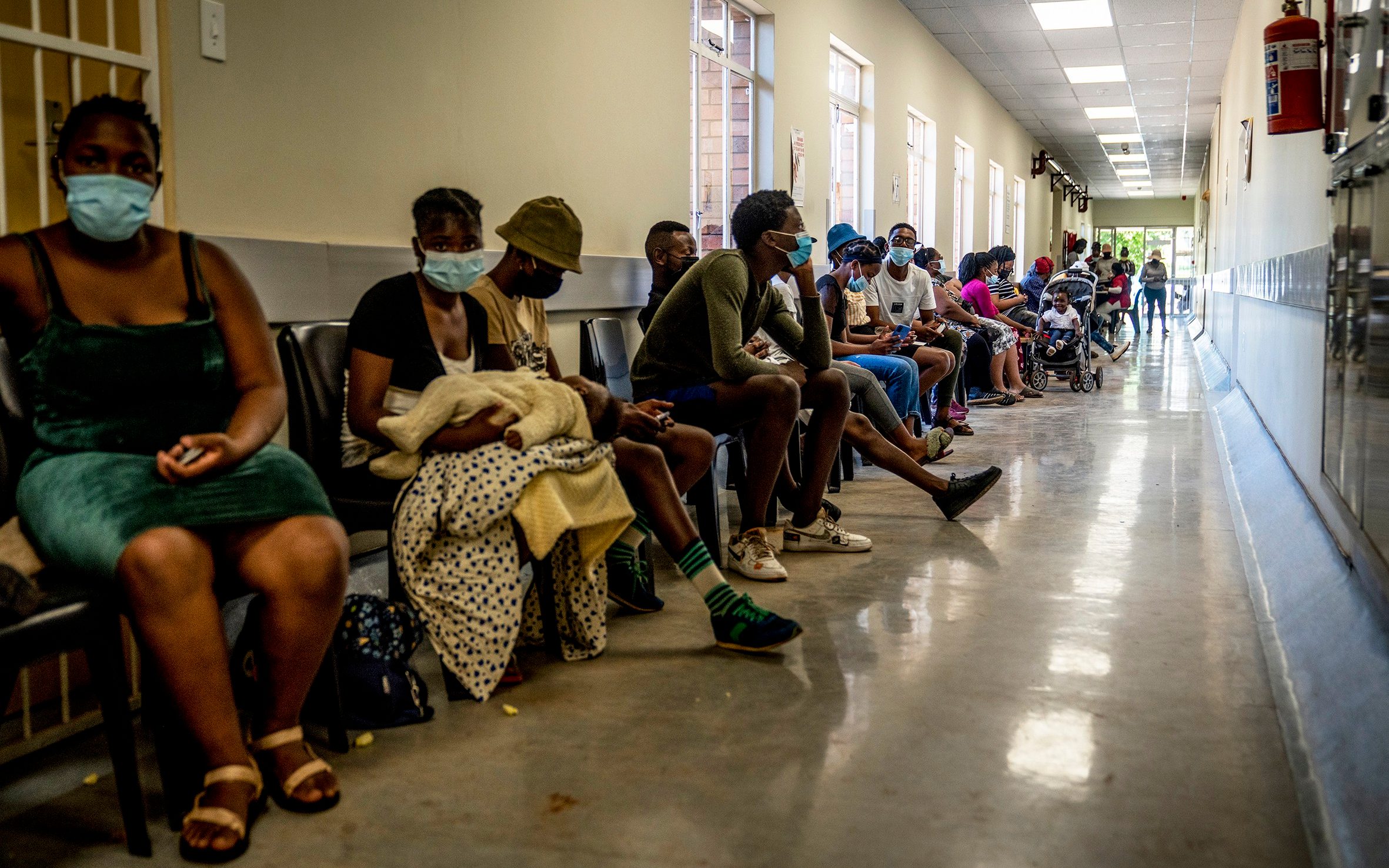
Spending on health also falls significantly below the Abuja Declaration, a landmark commitment signed by most African governments in 2001 that requires them to allocate at least 15 per cent of their annual national budget to the health sector.
Only two African countries, South Africa and Cabo Verde, currently meet the target, while the average spend hovers at around 7.4 per cent of GDP.
Underfunding means in the bulk of African countries, patients themselves have to pay for doctors’ fees, medicines, and hospital stays – often discouraging even very sick patients from getting treatment.
The Global Health Security Index was made famous during the pandemic.
The US topped the ranking as the country best-prepared for a pandemic – as Donald Trump was keen to point out – followed by Britain.
But the handling and outcome of the pandemic in both countries – which were heavily criticised internationally – led some experts to argue that the index did not necessarily reflect how a country would fare in an outbreak.
“It’s important to know that the index shows what countries are prepared to do, but cannot predict how they will respond in a crisis,” said Dr Severance.
“It measures capacity, not performance. You can have all the capacity in the world, but it depends on whether political leadership chooses to leverage those capacities – that also factors into how you perform,” she said.
Protect yourself and your family by learning more aboutGlobal Health Security





![The Top 5 Springboks Head Coaches of All Time [RANKED]](https://www.ruck.co.uk/wp-content/uploads/2025/10/f646b1b81c232c714f0c03544829471c_ARCH103120_00050778.webp "The Top 5 Springboks Head Coaches of All Time [RANKED]")