Less than a year before the Confederation of African Football (Caf) begins inspecting venues for the 2027 Africa Cup of Nations (Afcon), Kenya, Uganda and Tanzania are in a race against time to transform ambitious infrastructure plans into tournament-ready facilities.
The three East African nations will jointly host Africa’s premier football tournament for the first time, making the event not only a sporting spectacle but also one of the region’s largest infrastructure and economic projects in recent history.
From stadiums and airports to roads, hotels and hospitals, governments are investing billions of dollars in the hope that Afcon 2027 will leave a lasting legacy.
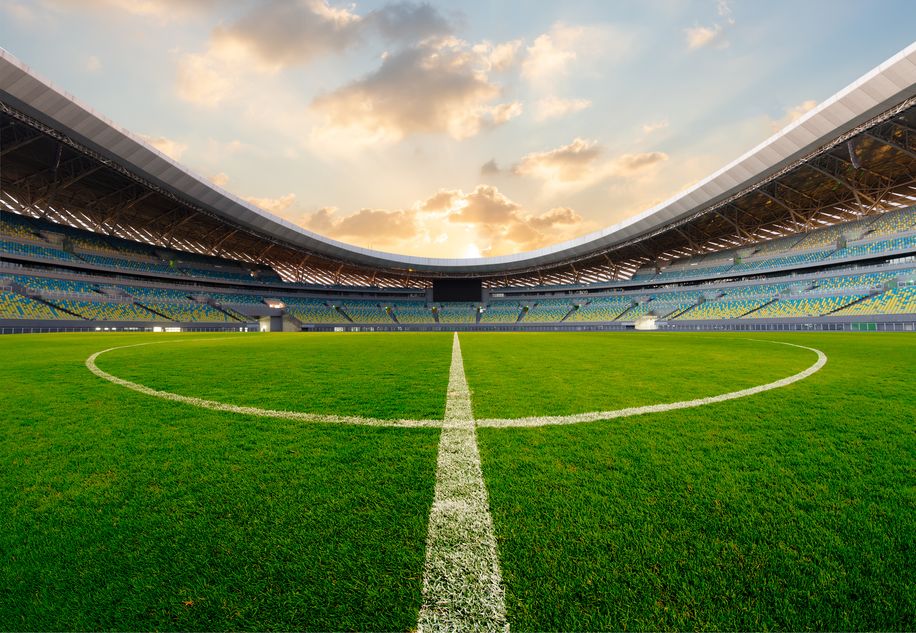
Kenya has focused on upgrading existing sports infrastructure while building new facilities to meet Caf standards. The renovation of Moi International Sports Centre, Kasarani, includes expanded seating capacity, upgraded floodlights, improved dressing rooms, modern media facilities and enhanced security systems. Meanwhile, Talanta Sports City, a new multi-purpose stadium under construction in Nairobi, is expected to become one of East Africa’s flagship sporting venues.
Tanzania has also accelerated investments beyond the Benjamin Mkapa Stadium in Dar es Salaam. Authorities have upgraded player facilities, broadcasting infrastructure, security systems and spectator amenities to comply with Caf’s latest requirements, while other venues continue to undergo improvements.
For Uganda, preparations have become a national priority. The government has committed more than $608 million to Afcon preparations, comprising $369 million for sports infrastructure, logistics and tournament operations, alongside $245.2 million for complementary investments in roads, airports, healthcare, hotels, electricity, water and other public utilities.
Speaking to members of the ruling National Resistance Movement in April while lobbying for approval of the tournament budget, President Yoweri Museveni described Afcon as an investment rather than an expense.“When Afcon comes here, it will bring many people here and we shall be earning more money from the visitors than what we are spending,” he said.
He argued that while the initial costs appeared significant, the infrastructure would continue serving Ugandans long after the tournament ends, supporting tourism, trade and urban development.
However, that optimism has been accompanied by growing demands for accountability.
Ugandan legislators are determined to avoid a repeat of the procurement controversies and delayed projects that overshadowed preparations for the 2007 Commonwealth Heads of Government Meeting (CHOGM).
Shadow Minister for Sports Zambali Bulasio Mukasa has urged Parliament’s Committee on Education and Sports to conduct regular inspections of every AFCON project while requiring the government to submit monthly implementation reports detailing expenditure, procurement milestones and construction progress.“We don’t want reports like CHOGM. We want transparency, accountability and value for money,” Mukasa told Parliament.
The accountability debate intensified after President Museveni disclosed that his administration had blocked attempts to nearly double the cost of AFCON-related road construction from approximately $1.086 million per kilometre to $2.30 million.
The President subsequently dismissed six senior engineers and officials from the Ministry of Works and the Uganda Civil Anto procurement and contract management in infrastructure projects. Some of those dismissed were reportedly associated with road projects supporting Afcon preparations
Despite the scrutiny, government officials insist the country remains on schedule. State Minister for Sports Peter Ogwang recently assured Parliament that all competition venues and eight designated training facilities would be completed by December 31, 2026, allowing sufficient time for CAF to inspect, certify and approve every venue before the tournament kicks off in June 2027.
Hoima City Stadium, one of Uganda’s flagship venues, has already been completed, although contractors are still addressing issues identified during preliminary CAF inspections before the defects liability period expires later this year.
Meanwhile, Mandela National Stadium on the outskirts of Kampala is undergoing a second phase of expansion that will increase capacity to 45,000 spectators, alongside upgrades to VIP sections, media facilities, medical services and spectator amenities. Government officials say structural testing has been completed and construction remains on schedule. Away from the main venues, eight training grounds spread across Kampala, Wakiso, Hoima and Masindi are progressing under staggered timelines.
Facilities at Kyambogo University and Makerere University are expected to be completed within weeks, while Hoima Boma Grounds, Masindi Municipal Stadium, FUFA Kadiba Stadium and Sir Tito Winyi Secondary School are scheduled for completion before the end of the year.
Unlike previous sporting events hosted in Uganda, AFCON requires an extensive support ecosystem beyond football venues. Roads connecting stadiums are being upgraded. Passenger facilities are under construction at Kabalega International Airport. Hotels in Hoima and Masindi are being renovated to international standards. Investments in hospitals, digital infrastructure, electricity networks, water supply, sanitation systems and railway stations also form part of the preparations.
Regional integration has become another key objective. Uganda, Kenya and Tanzania are considering introducing a joint Pamoja Visa and waiving visa fees during the tournament to allow supporters to move freely between host cities. The proposal would encourage visitors to experience East Africa as a single tourism destination, combining Uganda’s gorilla trekking and wildlife parks with Kenya’s Maasai Mara and Tanzania’s Zanzibar beaches and Serengeti ecosystem. For tourism operators, the tournament presents a rare opportunity to turn years of regional integration discussions into practical reality.
To support accommodation requirements, Uganda has allocated Ush30 billion ($7.9 million) to upgrade hotels to four- and five-star standards and another Ush20 billion ($5.3 million) to assist facilities capable of meeting CAF’s accommodation requirements.
The government plans to channel the support through subsidised credit provided by the Uganda Development Bank after assessments by CAF-appointed consultants working alongside the Uganda Hotel Owners Association, the Federation of Uganda Football Associations (FUFA), the Ministry of Tourism and other stakeholders. The proposal has nevertheless attracted criticism.
Opposition leader Joel Ssenyonyi has questioned how beneficiary hotels were selected and whether public funds should subsidise private businesses without greater transparency.“We would want to know what modus operandi was used to arrive at those who are going to benefit because these are private hotel facilities,” he said. Analysts say that Afcon2027 represents far more than a football tournament. The event is expected to attract hundreds of thousands of visitors, boost airlines, hotels, restaurants and transport operators, and showcase East Africa to millions of television viewers across the continent and beyond.
Uganda alone has allocated $10.2 million to market “Destination Uganda” through the tournament, hoping the exposure will strengthen the country’s tourism brand long after the final whistle.
Economists argue that the tournament’s greatest legacy may ultimately lie in the infrastructure it leaves behind. If roads linking ports, airports and industrial centres are completed, airports operate efficiently, and the three countries successfully coordinate immigration, security and transport systems, AFCON 2027 could become a landmark demonstration of East African integration.