- Sonatel crossed a trillion CFA francs, about $1.8 billion, in half-year revenue for the first time, a record for the West African operator in which Orange is lead shareholder
- Net income rose 10.5%, but leaned on a lighter tax bill and flat spending as much as on selling more, as growth shifts from new subscribers to digital usage
- Margins, Senegal’s tax pressure and two new rivals, Wave in mobile money and Starlink in broadband will shape the second half more than another record
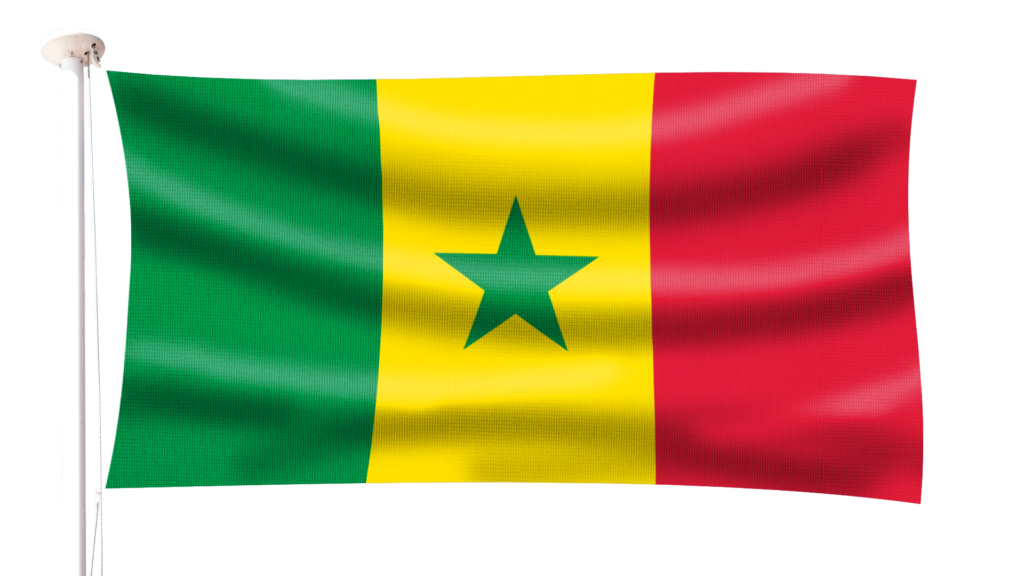
Sonatel, the largest telecoms operator in French-speaking West Africa and the dominant carrier in all five of its markets, reported revenue of 1.05 trillion CFA francs, about $1.8 billion, for the first half of 2026. This is up 9.3% from a year earlier and a record for any six-month period, according to figures the company filed with the regional BRVM exchange in Abidjan on July 24.
Net income rose 10.5% to 230 billion CFA francs, roughly $400 million, in accounts signed off by the auditors Deloitte Senegal and Garecgo. The slice of revenue the group keeps as operating profit, before the accounting cost of wearing down its equipment, climbed to 48.7% from 47.7% a year earlier, a sign it is squeezing more out of each franc it takes in.
For a company listed on the Bourse Régionale des Valeurs Mobilières, the exchange shared by the eight countries of the West African Monetary Union, the trillion-franc mark is a first. It also marks a quieter turning point. Growth no longer comes mainly from signing up new customers. In markets where almost everyone already owns a SIM card, the money is now in what each user does with it.
Mobile internet is the clearest engine. Data alone accounts for more than 40% of group sales and has grown about 18% over the year, with the average customer burning through a fifth more data than in 2025. Orange Money, the group’s mobile-money arm, shows the flip side. It kept adding users and now serves close to 14 million, yet its revenue rose only about 5%, because it has had to match rivals on price.
That pressure has a name in Senegal: Wave. The mobile-money operator has already reset what customers expect to pay to move money by phone, a service millions of Senegalese without bank accounts rely on as an alternative to traditional banking.
On home broadband, Starlink, the satellite network owned by Elon Musk, went on sale in Senegal in February and is targeting rural areas that fiber has never reached. Neither Wave nor Starlink threatens Sonatel’s overall business yet, but both are targeting some of its most profitable segments.
Not all of the profit jump was earned in the field. Pre-tax earnings grew more slowly than the headline number, and much of the acceleration came from a lighter effective tax rate, near 35% against about 37% a year earlier. Meanwhile the bill for past expansion is arriving: depreciation on the fiber, 4G and data-center spending of recent years is climbing, while capital spending held roughly flat at 154 billion francs, about 15% of sales. Keeping capital spending flat preserves cash for now, but may leave Sonatel exposed if rivals continue building out their networks.
The risks that don’t show in the accounts
The larger danger sits outside the balance sheet. In Senegal, the state is at once a shareholder in Sonatel, the sector’s regulator through the ARTP and the tax collector. That closeness steadies the business in calm years and exposes it in lean ones. Public finances have been under strain since 2024, and telecoms, profitable, visible and impossible to move offshore, are the obvious place a cash-short government looks. A new charge on mobile transactions or higher license fees would land directly on margins.
The spread across five countries remains Sonatel’s best shock absorber. Younger markets in Guinea and Guinea-Bissau are still growing fast enough to cover a maturing Senegal. Diversification carries its own hazards, though. Mali, a major contributor to the group, is contending with insecurity, political uncertainty and recurring power shortages, which management identified as a source of higher operating costs. And in Guinea and Sierra Leone, whose currencies float against the euro-pegged CFA franc, any depreciation reduces the value of local earnings when they are translated into the group’s reporting currency.
Investors, for now, are paying up for the stability while keeping the risks in view. Sonatel shares touched a record above 31,000 CFA francs, about $53, in early July after trading lower for much of the year. The second half will depend less on setting another record than on whether the group can defend its margins, maintain sufficient network investment, respond to pressure from Wave and Starlink, and absorb any new tax measures from the Senegalese government. Sonatel has proved it is solid. What the coming months will put a price on is how much it must spend to stay that way.
More Africa NewsAfricaFinancial NewsSenegalSonatelTelecom News


Bonanza for Vodacom, MTN, and Telkom in South Africa

Cheapest and most expensive mobile data in South Africa
Dimension Data N4.05 billion in first tranche of N20 billion Bond Programme
Nigeria tackles telecom energy costs