

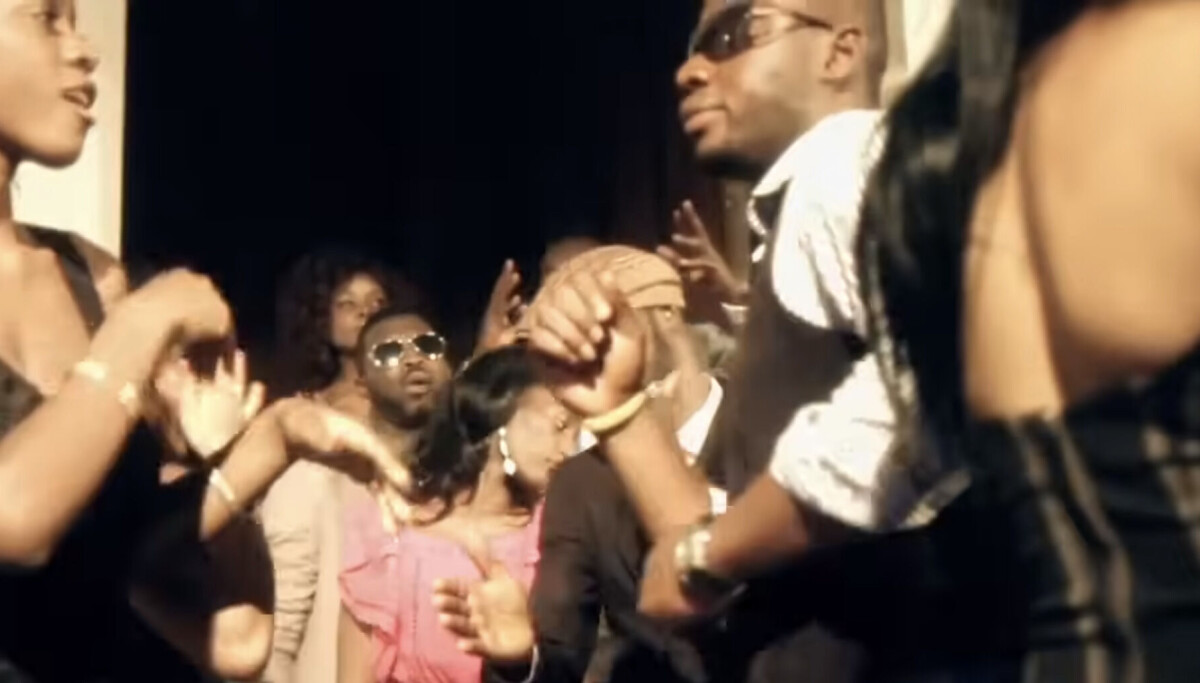
If you were born before or just at the start of the early 2000s, you would have been old enough to follow the rise of some of Nigeria’s now legendary music acts. You will have met 2Baba (fka 2Face Idibia) first as part of Plantashun Boiz before a vibrant solo career that inspired generations of musicians. You would have also witnessed the propulsive sharpness of Eedris Abdulkareem, and his penchant for biting critique of corrupt governance and social ills. In the late 2000s, you’d have discovered Banky W, Wizkid, Olamide and Tiwa Savage, all pioneers and contributors to Nigeria’s sonic and visual landscape. More than anything though, you would have witnessed a generation of playful and adventurous storytellers, illustrating and reflecting the varied manifestations of youthful living in Nigeria through their music and by extension, their music videos.
As Nigeria’s music industry evolves commercially, attracting investment and global attention, the visual elements have also changed. They’ve turned glossier, shinier, yet are often in need of a good story. In the past, Nigerian music videos were often modeled around aspirational qualities, similar to visual codes found in hip-hop culture. But along with these aspirational codes (expensive cars, massive houses, wads of foreign currency piled high or flashing across the screen, designer labels leaned too close to the camera), they also adopted a strong narrative spirit. Take 2Baba’s “If Love Is A Crime”, for instance, where he plays a lovelorn protagonist trapped in a love story entwined with tragedy. The video, released in 2006, is interspersed with cuts of 2Baba at a beach, a poetic contrast to the turmoil happening in the main narrative.
