

Back to News/Lifestyle & Culture
Build your reading streak0/3 todayCounts at 25%
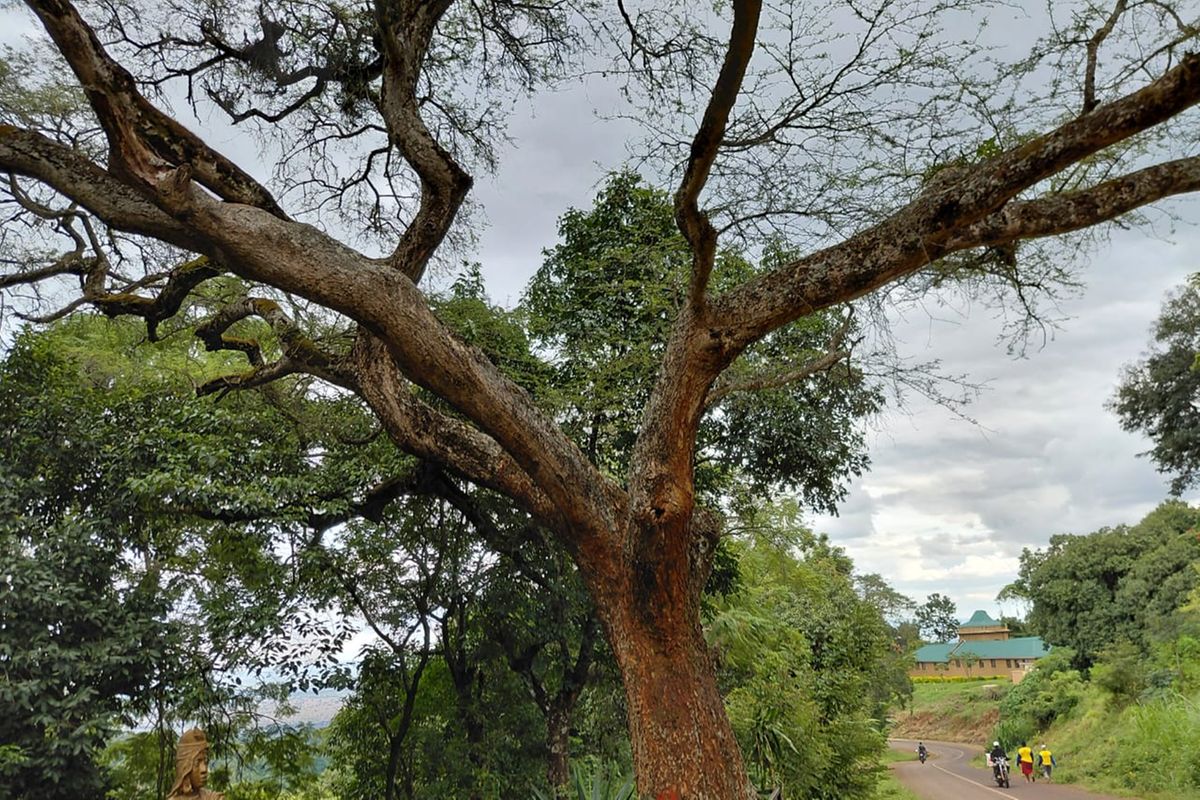
In the heart of Old Moshi, Kilimanjaro Region, an unassuming mgunga tree stands as a silent, devastating witness to a brutal 1900 execution that fundamentally altered the trajectory of German colonial rule in East Africa.
Exactly 126 years after the German colonial administration publicly hanged Chagga leader Mangi Meli and 18 other prominent figures on March 2, 1900, the historic execution site has transformed into ground zero for a global restitution movement. The ongoing campaign to repatriate their severed remains from Berlin museums mirrors similar diplomatic battles fought by the Kenyan diaspora seeking the skull of Nandi resistance leader Koitalel Arap Samoei.
What Exactly Happened on March 2, 1900?
Historical records and oral testimonies passed down through Chagga descendants reveal a chillingly calculated colonial crackdown. Mangi Meli, who had previously defeated German military forces in 1882, was viewed as a critical threat to European authority in what was then German East Africa. Following a hasty trial accusing them of plotting a rebellion, Meli and his closest advisors were led to the mgunga tree in the Tsudunyi market area.
According to descendant accounts verified by the European Center for Constitutional and Human Rights (ECCHR), the 19 men were systematically hanged. Following the execution, colonial troops committed a final act of desecration: they decapitated the leaders. The torsos were allegedly buried in an unmarked mass grave near the tree, while the heads were packaged and shipped approximately 6,600 kilometres (4,100 miles) to the German capital.
How Did the Skulls Reach Germany?
The abhorrent logistics of this transcontinental grave-robbing were orchestrated under the guise of racial science. The skulls were transported to Berlin at the specific request of Felix von Luschan, the head of the Africa and Oceania department at the Royal Museum of Ethnology.
- Execution Date: March 2, 1900.
- Victims: Mangi Meli alongside 18 Chagga and Meru leaders.
- Destination: Royal Museum of Ethnology, Berlin.
- Distance Shipped: 6,600 kilometres to Germany.
- Primary Architect: Felix von Luschan, acting under 1889 Bundesrath collection mandates.
Von Luschan sought the remains to fuel pseudoscientific theories of Rassenlehre (racial ideology). An 1889 resolution by the German Federal Council had effectively transformed military punitive expeditions into state-sanctioned collection missions, demanding that cultural objects and human remains be funneled directly into Berlin’s scientific institutions.
What Are the Legal and Diplomatic Stakes Today?
For more than sixty years, Mangi Meli’s grandson has petitioned both Tanzanian and German authorities for the return of his ancestor’s remains. The diplomatic friction recently escalated when a German government minister confirmed to international media that the nation was preparing a formal apology for the Old Moshi executions. Unprecedented DNA research has finally begun identifying specific skulls among the thousands hoarded in German museum archives.
The legal framework surrounding these artifacts is complex. Activists in Tanzania and globally are bypassing traditional diplomatic channels, leveraging international human rights law to demand unconditional repatriation. This pressure tactics directly affect how the UK, USA, and Australia manage their own contested collections of indigenous remains.
How Does This Echo Across the Global Diaspora?
The shadow of the Old Moshi mgunga tree stretches far beyond the Kilimanjaro Region. For the African diaspora residing in Europe and North America, these historical violations are not distant memories but active, unresolved traumas. In London, the British Museum faces identical pressures regarding looted Benin Bronzes, while in Australia, Indigenous groups continue their fight against institutions holding Aboriginal remains.
For Kenyan historians and legal scholars, the Mangi Meli restitution case provides a vital legal precedent. Kenya’s ongoing efforts to hold the British government accountable for colonial-era atrocities, including the brutal suppression of the Mau Mau rebellion and the assassination of Koitalel Arap Samoei, rely heavily on international precedents set by cases like Tanzania’s.
The 126-year-old tree in Old Moshi is no longer just a site of mourning; it is a profound legal symbol. As DNA testing finally unravels the identities hidden within Berlin’s vaults, the descendants of Mangi Meli move one step closer to bringing their ancestors home, ensuring that colonial violence is met with absolute historical accountability.
The documents, data and reporting consulted for this article. Links open the original material so readers can inspect the evidence directly.
- 01The Citizen TanzaniaNews report
The 126-year-old tree that tells the story of Mangi Meli’s executionPublished 29 Jul 2026Accessed 29 Jul 2026- • Execution took place on March 2, 1900
- • 19 Chagga and Meru leaders were killed
- • Remains shipped to Germany by Felix von Luschan
Hot discussions around this story
Keep the conversation in one place—threads here stay linked to the story and in the forums.
Fresh thread
No linked discussion yet. Start one without leaving this page.
Start a conversation about this story and keep it linked here.
E-sports and Gaming Community in Kenya
The Role of Technology in Modern Agriculture (AgriTech)
1030316Agriculture & Food Security
Popular Recreational Activities Across Counties
Investing in Youth Sports Development Programs
Continue reading
No weak match is forced. These are the latest verified stories from Lifestyle & Culture.

Tesco Launches ‘Back From Holiday’ Free Grocery Giveaway at Southend Airport

New Forest Authority Rejects ‘Abominable’ Unauthorised Conservatory at Grade II Cottage

