

Across generations, wealth is becoming about more than what is left behind; it is about how it is carried forward.
For many women, wealth is valued not simply for what it represents, but for what it enables— supporting family, uplifting the community, and creating opportunities for the next generation. That vision is clear and the commitment is strong. However, the financial and legal structures needed to support that vision are not always in place.
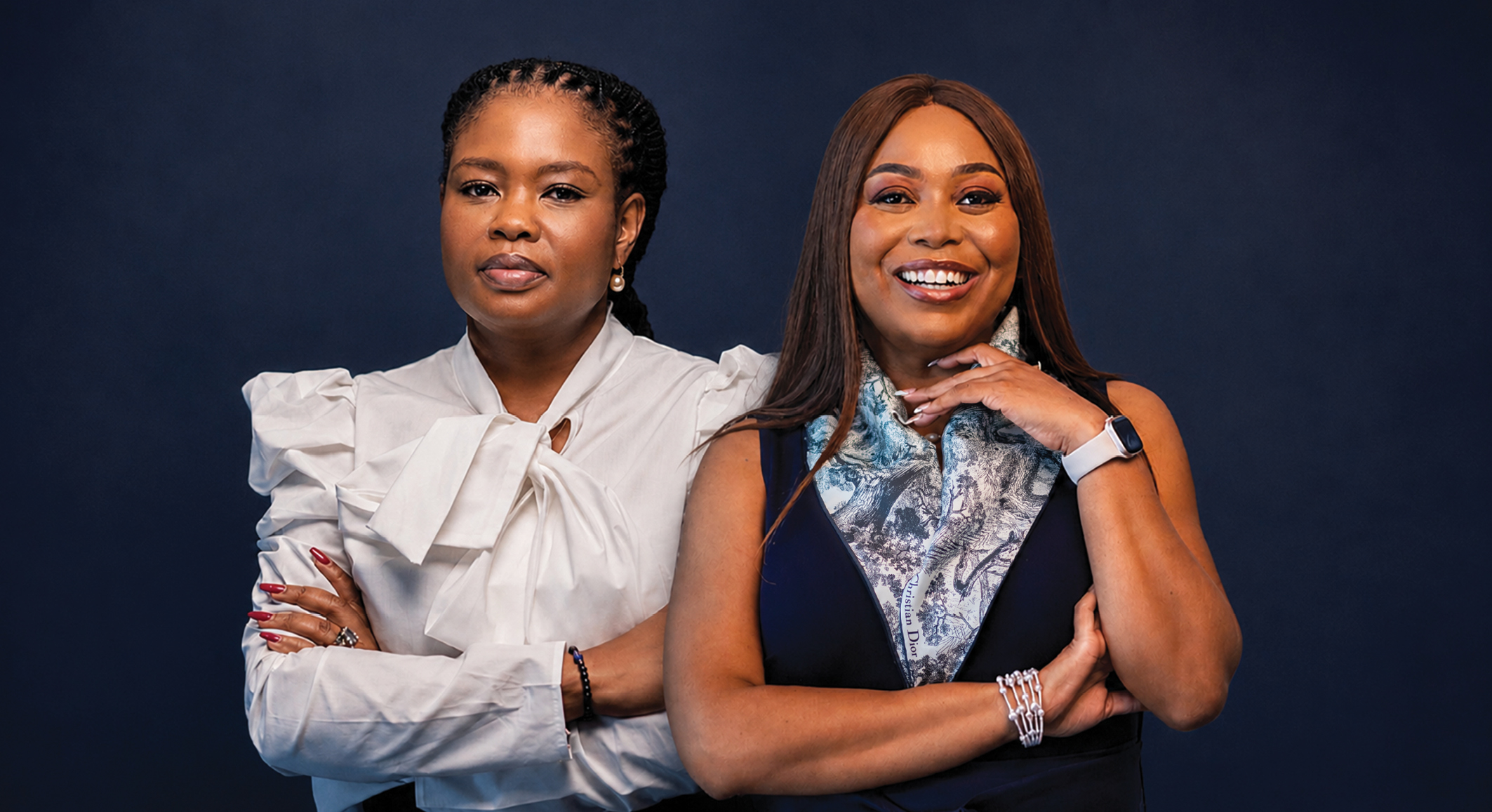
Lucratia Mathe, Head of Client Value Proposition at Standard Bank Wealth and Investment in South Africa (SA), sees this regularly with her clients.
“There is no doubt that women define wealth differently. The idea of passing down not just wealth, but values, is central to the way women think about money,” she says.
“As a result, their financial decisions tend to be rooted in empathy, foresight and a desire to nurture those around them. For many women, the wish to create a better future for their families is one of the strongest motivators behind their wealth-building efforts.”
Loading…
Research supports Mathe’s observations. The UBS Global Wealth Report finds that women tend to view wealth through the lens of familial bonds, communal wellbeing, and its lasting impact on future generations, a focus that naturally shapes financial decisions towards sustainability, stability and giving back.
“Women in Africa, in particular, have a strong focus on raising empowered families, uplifting their communities and building legacies that endure,” Mathe continues.
“They view their wealth as a tool for positive change; supporting education, healthcare and entrepreneurial spirit in the next generation.”
Intention alone is not enough to carry one’s legacy forward. Nokuzola Cossie, Head of Fiduciary at Standard Bank Wealth and Investment SA, elaborates on this.
“To truly shape the future, women must ensure that their vision is documented, actionable and legally protected. Every woman travels a unique journey, and having the right documentation and frameworks in place is critical to safeguarding her wealth and the wellbeing of those she cares about,” she says.
It is easy for legal and financial paperwork to feel like administrative detail. In reality, it is what gives intention shape and continuity, holding it in place over time.
“The correct documentation transforms good intentions into tangible outcomes, shielding wealth from uncertainty and ensuring that it serves a higher purpose,” says Cossie.
Consider a mother who wants her children to inherit both her assets and her values. A well-structured will, supported where appropriate by letters of intent, helps provide clarity around her wishes. Without these structures in place, unintended disputes or outcomes can arise in the process of distribution.
Similarly, consider an aunt who raised her nephew as her own. Without provision through a will or appropriate beneficiary arrangement, and in the absence of any legislation that defines her nephew as a dependent, there may be no formal recognition of this dependency upon her death. Continuity of support could be disrupted in ways that were never intended.
The principle can also apply to children who support a parent, or even a sibling.
It extends to family businesses.
“It is not always as simple as the next generation inheriting the shareholding,” Cossie says. “How many potential next-generation heirs are contributing their skills and labor to the business compared to those who are not? What would this mean for the next-gen heir who is actively involved in the business?”
Without clear documentation, ownership can pass in ways that do not reflect how the business operates in practice. Those who built it may lose control, while others may inherit responsibility they never anticipated.
Legacy Should Evolve As Life Does
Throughout one’s wealth journey, the right structures need to be put in place to support the commitments that shape each stage of life. As Cossie explains, priorities change.
Entering a marriage or long-term partnership often creates a need for clarity around financial arrangements and a foundation that creates security. With children, the guardianship nominations contained in a will become a priority, as does the establishment of a trust to administer a minor’s inheritance. The continuous review of a will and beneficiary nominations is also vital to ensure that one’s wishes are carried out.
As life progresses, so do responsibilities. For those caring for ageing parents or relatives, powers of attorney, healthcare directives and letters of intent–in cases of permanent incapacity–support smoother decision-making while protecting everyone involved.
For business owners, shareholder agreements, succession planning and intellectual property protection ensure continuity beyond direct involvement. And for those whose careers continue to evolve, keeping benefits and investments clearly documented and aligned with long-term goals turns good intentions into lasting plans.
Philanthropy deserves the same level of planning. It is important to consider formalizing your giving, whether it is through a bequest in your will to a charitable institution that supports a cause that is meaningful to you, or by forming a structure. A charitable trust, says Mathe, “ensures that your philanthropic e‑ orts continue to benefit communities well into the future.”
It is easy to put o‑ these uncomfortable conversations. Yet, as Cossie puts it: “Your documentation should be viewed as a representation of who you are, financially, legally and personally.”
Mathe agrees. “At Wealth and Investment SA, we understand how important it is to remain present, visible and well-informed. We know that when the relevant documentation reflects your intentions, purpose and vision, the legacy you have created will carry forward for generations to come.”
Wealth, for women in Africa, is an evolving story of purpose, care, and transformation, Mathe adds. “But for that story to endure, it must be written into the fabric of our legal and financial structures. By doing so, women can nurture, protect, and pass on their wealth with confidence and intent.”

