

Stabilizing eastern DRC will not ultimately be achieved on the battlefield, but by rebuilding intra-Congolese and African processes to address issues of citizenship, security sector reform, and greater transparency of the mineral sector.
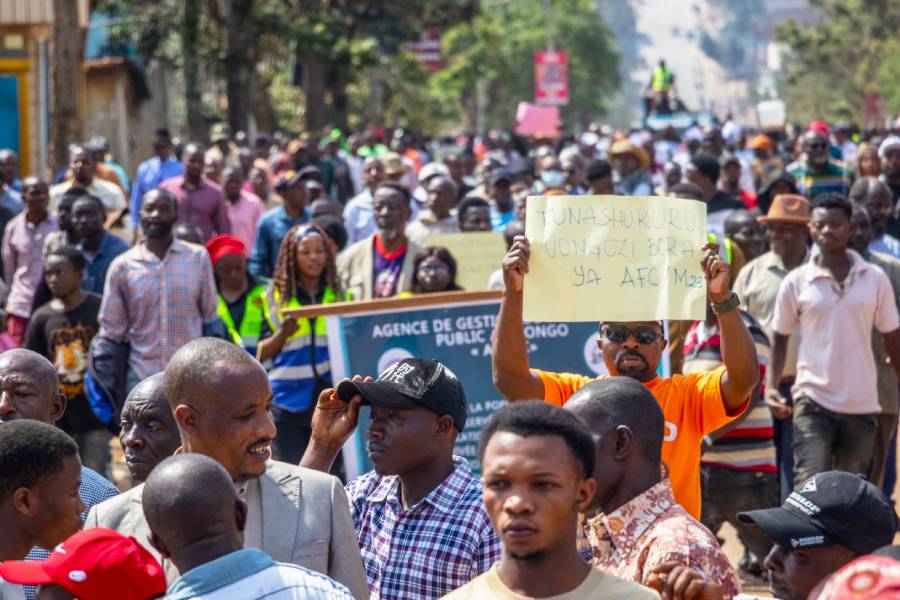
A protest in South Kivu demands peace and dialogue between the government and M23. (Photo:
Ongoing fighting between the March 23 Movement (M23) and the Congolese government highlights the persistent obstacles to sustainable peace in eastern Democratic Republic of the Congo (DRC). The conflict has been marked by the intensified use of armed unmanned aerial vehicles (UAVs), heavy artillery, and explosives in civilian areas. The killing of M23 spokesperson Willy Ngoma in February 2026 in a drone strike near Rubaya (North Kivu), a mining area that produces 15–30 percent of the world’s coltan supply, underscores the multilayered dimensions of a conflict that has been persisting since the 1990s.
More than 120 armed groups operate across eastern DRC.
The heaviest fighting in the latest phase of the conflict has been concentrated in the mountains of South Kivu, particularly around the territory of Minembwe. Supporting the Congolese military, the Forces armées de la république démocratique du Congo (FARDC), are the Wazalendo militias, Burundian forces, and the Democratic Forces for the Liberation of Rwanda (FDLR)—remnants of the Interahamwe forces implicated in the 1995 genocide against the Tutsi in Rwanda.
They are fighting against the 30,000–40,000-strong M23 and the broader Congo River Alliance (AFC), which is widely reported to be backed by Rwanda and Uganda. While Rwanda denies that it supports the M23 militarily, it publicly sympathizes with its aims and the the protection of local communities in the Kivus.
Humanitarian access to the region has been severely restricted for more than a year. Medical facilities have faced shortages of basic supplies, while civilians remain trapped between competing armed actors. The conflict has left more than 4.3 million people displaced across the Kivus since the M23’s resurgence in 2024. The crisis has been further compounded by an Ebola outbreak that has infected thousands and continues to escalate.
The persistence of this conflict reinforces the importance of understanding its underlying drivers.
Frayed Trust with Local Communities
Successive Congolese administrations have alternately granted, withdrawn, and reinstated Congolese citizenship to nationals of Rwandan ethnicity, namely the Banyamulenge, Banyamasisi, and Barundi communities in the Kivu regions of eastern DRC. These actions are part of the recriminations directed at these communities from which all the country’s major conflicts have been launched since the 1990s. This has relegated these communities to a second-tier status despite constitutional recognition of their citizenship rights, which have also been incorporated into major peace initiatives such as the 2003 Sun City Agreement.
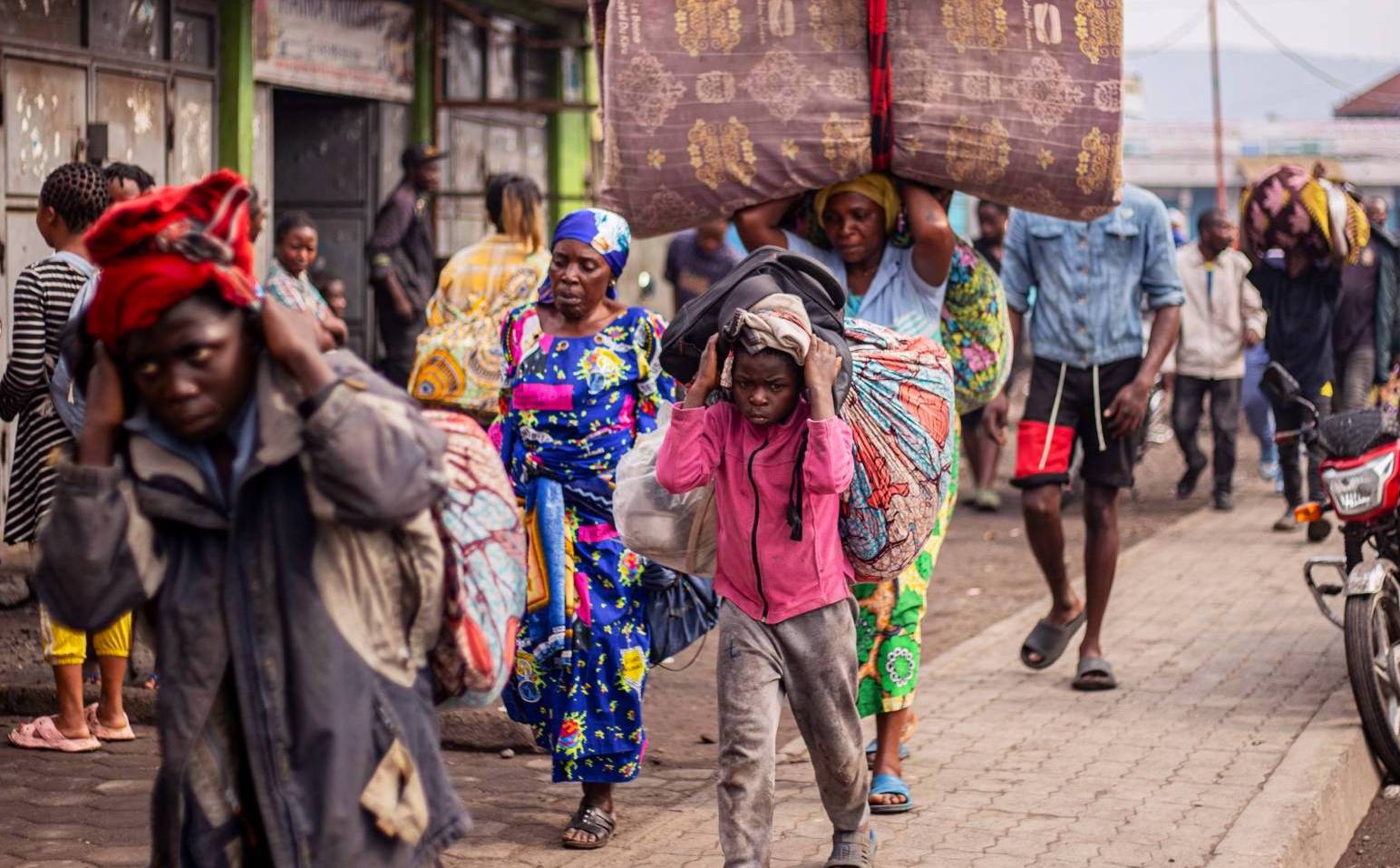
Eastern DRC residents flee as the M23 rebel group seizes territory in the east of the country on January 26, 2025. (Photo:
Limited trust in the government has been reinforced by its inability to provide basic services. Communities in eastern DRC routinely rely on healthcare systems in Burundi, Rwanda, and Uganda. During the latest Ebola outbreak, Uganda established treatment facilities for Congolese patients, deployed health workers, and created treatment units and mobile laboratories in eastern DRC. That these same countries have also intervened militarily in the DRC and supported armed actors challenging the Congolese government’s authority further exposes the complexity of the relationship between local communities and the government.
Electoral disputes have further weakened public confidence in government institutions. A series of contested elections, compounded by repeated disruptions to voter registration and polling caused by insecurity, have reinforced perceptions that citizens’ interests in eastern DRC are underrepresented.
These actions are part of the recriminations directed at these communities from which all the country’s major conflicts have been launched since the 1990s.
President Félix Tshisekedi has raised the stakes by warning, like his predecessors, that presidential elections scheduled for December 2028 cannot proceed if conflict in eastern DRC remains unresolved. His expressed interest in seeking a third term, potentially allowing him to remain in office until 2036, risks deepening a belief that grievances cannot be addressed through political channels. Armed movements can be expected to amplify these tensions to portray the government as incapable of upholding constitutional order or unwilling to represent all Congolese citizens.
For the M23, such narratives reinforce its demands for greater autonomy and expand the parallel governance structures the group has established in areas under its control. While the M23 is dominated by Banyamulenge fighters, it has sought to portray itself as a national movement through its broader AFC alliance. Persistent political uncertainty could open new fronts of conflict beyond the Kivus.
Citizenship Remains an Unresolved Political Question
Among the most sensitive drivers of the conflict in eastern DRC is the unresolved status of Congolese communities with origins from around the Great Lakes region. These communities were separated during the partition of Africa at the end of the 19th century, leaving populations with shared historical ties dispersed across territories that later became Uganda, the DRC, Burundi, and Tanzania.
Although often framed as ethnic, these conflicts are fundamentally about citizenship.
Although often framed as ethnic, these conflicts are fundamentally about citizenship, constitutional recognition, and political inclusion. Ambiguities over these essentials have repeatedly been exploited by political actors, fueling discrimination, land disputes, and armed mobilization.
Uganda provides an instructive comparison. President Yoweri Museveni’s 1978-1986 rebellion drew significant support from Rwandan exiles, immigrants, and Banyarwanda communities—Ugandans of Rwandan descent. These communities faced decades of discrimination, persecution, targeted killing, and extended periods of statelessness despite being among Uganda’s top six largest ethnic communities in the 1948 and 1959 censuses.
These grievances pushed them and those in the mostly Tutsi exile and immigrant communities to join Museveni’s National Resistance Movement (NRM), which came to power in 1986. To prevent the recurrence of these grievances, Uganda’s 1995 Constitution recognized Banyarwanda as one of Uganda’s ethnic communities with equal rights and duties.
Many Rwandan immigrants and exiles and some Banyarwanda in the NRM later formed the core leadership of the Rwanda Patriotic Front, which brought Paul Kagame—himself an NRM veteran and later a senior leader in Uganda’s military—to power in Rwanda in 1994.
In neighboring Tanzania, the constitution does not explicitly mention ethnicity but instead provides a framework that emphasizes birth, descent, and naturalization irrespective of national origin.
Although imperfect, both the Ugandan and Tanzanian approaches reduced uncertainty over political belonging. While grievances involving these communities do periodically erupt in both countries, the constitutional framework provides mechanisms for conflict resolution. The DRC has yet to achieve similar clarity.
Fragmented Security Institutions
The inability to sustain stability in eastern DRC also stems in part from persistent weaknesses in the Congolese security sector. In addition to 150,000 police, the 235,000-strong FARDC continues to face fragmentation, poor discipline, and competing chains of authority that limit operational effectiveness.
These weaknesses help explain the government’s continued reliance on militias, foreign forces, and mercenaries to confront armed rebellions—a pattern that has persisted for decades. More than 120 armed groups operate across eastern DRC, particularly in North and South Kivu, Ituri, and Tanganyika Provinces.
The rise of Wazalendo militias illustrates the dilemma. While these groups have provided additional manpower against the M23, their proliferation complicates command structures, creates competing centers of authority, and undermines long-term security sector reform. These government militias, moreover, have also been accused of human rights abuses, particularly against Banyamulenge communities.
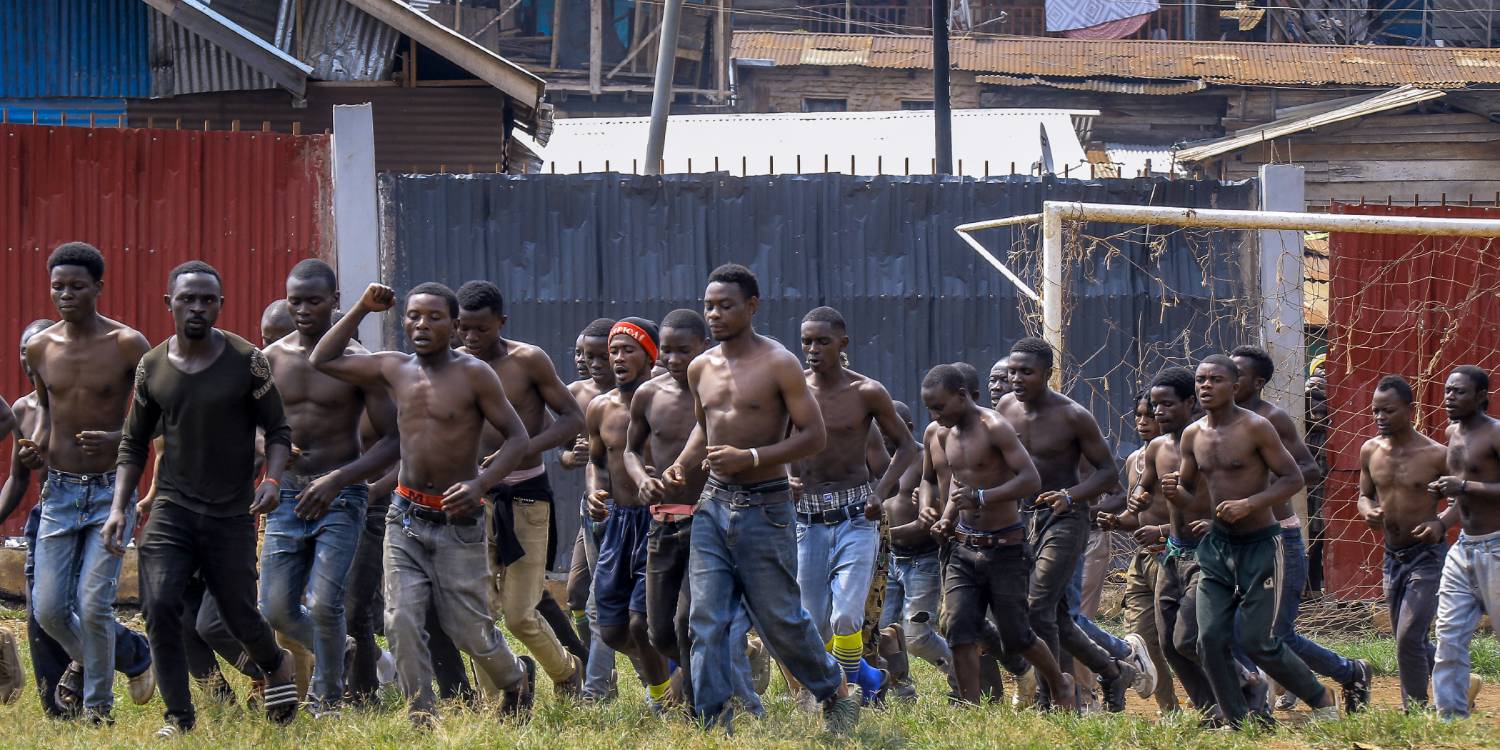
Wazalendo volunteers exercise at the Funu Stadium in Bukavu on February 1, 2025 in preparation to fight alongside the FARDC against the M23 group. (Photo:
The decision by the DRC government to draw down the United Nations peacekeeping force, MONUSCO, in 2024 and shutter the East African Community (EAC) Regional Force in 2022 further complicated the security landscape. Despite disagreements over their mandates, both forces achieved tangible gains by reducing violence, facilitating dialogue with armed groups, reopening contested areas, and expanding humanitarian access. Their downsizing and departure have removed important stabilizing mechanisms and created space for competing armed actors to fill the void.
Recognizing the need to strengthen the FARDC, the Congolese government has nearly tripled military expenditures in the DRC since 2022, to roughly $1.1 billion. However, this has yet to translate into establishing a monopoly of force in eastern DRC and underscores the nonquantifiable value of creating a professional, accountable, and trusted national security force.
Need for Transparency and Stability of the Mineral Sector
Weak oversight has allowed private militias and armed actors to control mining sites.
Instead of fueling development, the DRC’s enormous natural retan, have often enabled patronage networks and financed armed groups in what many term a conflict economy
Weak oversight has allowed private militias and armed actors to control mining sites, impose informal taxes, and use re including Rwanda and Uganda, are also widely reported to have seen a surge in coltan exports despite having little known reserves within their territories
The result is a conflict economy in which poor rest, and further weakens state authority. Transparent mineral governance is therefore essential to ensuring that re, and development rather than perpetuates instability
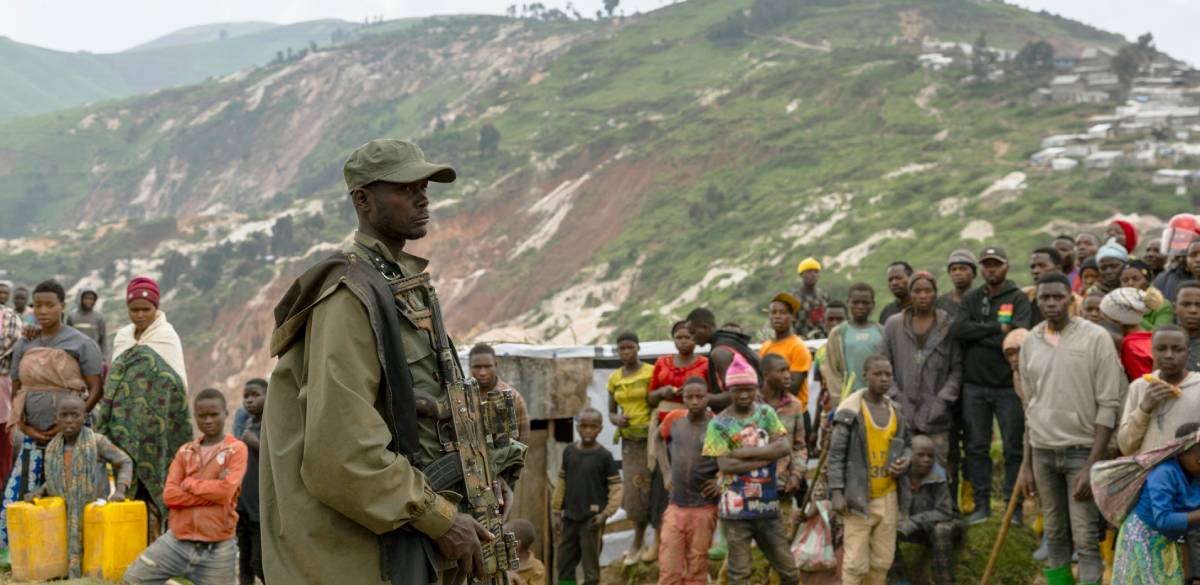
A M23 soldier stands at the coltan mining pits in Rubaya. (Photo:
The Forgotten Lessons of Previous Peace Agreements
The current conflict in the DRC persists not because solutions are unknown, but because previous agreements were poorly implemented. The 1999 Lusaka Peace Agreement, the 2001-2003 Inter-Congolese Dialogue, and the 2003 Sun City Agreement identified many of today’s central challenges: the need for security sector reform, decentralization, political inclusion, citizenship, and re
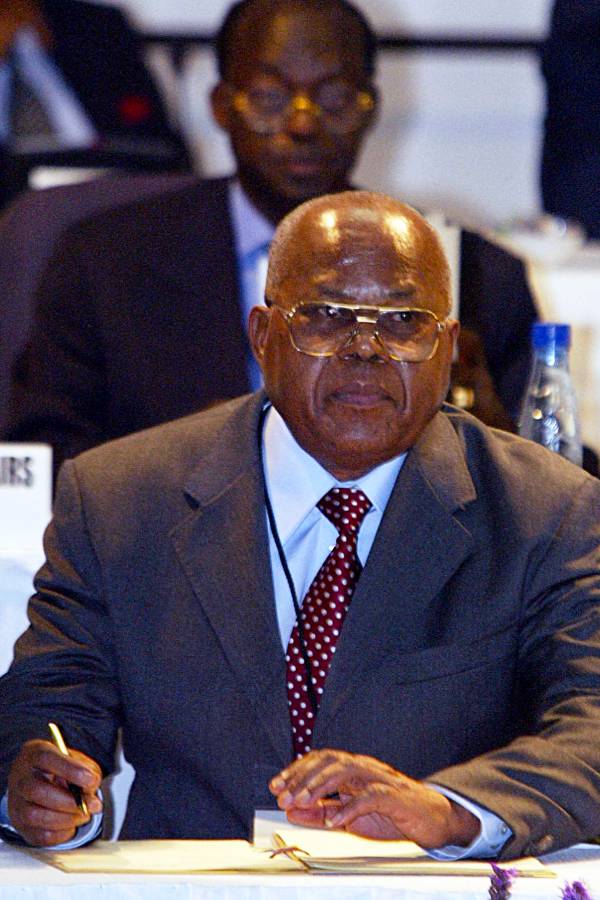
Longtime opposition leader Etienne Tshisekedi signs the Sun City Agreement, April 2, 2003. (Photo:
Understanding why previous agreements failed is therefore critical for breaking the cycle of violence in the DRC. Several lessons emerge from these past efforts:
- Political commitments often proved temporary as successive governments tended to prioritize short-term political bargains over fidelity to the agreements they negotiated.
- Signatories learned they could circumvent the checks and balances built into these agreements by simply abrogating them or engaging in “forum shopping” to negotiate new peace deals. Future agreements will require rigorous monitoring mechanisms to verify compliance, identify emerging risks, and take corrective action.
- Successive governments failed to establish and adequately resource key institutions identified in the agreements to strengthen transparency, participation, and representation in government and mineral sector oversight bodies in eastern DRC.
- Regional and international guarantors failed to monitor these agreements and uphold their implementation. This sent a message that bypassing or dismantling these commitments would not be met with meaningful consequences.
These lessons provide guideposts for current efforts to stabilize eastern DRC. Rather than designing entirely new frameworks, peacebuilding efforts should revisit and strengthen the principles embedded within previous agreements while creating more robust implementation and accountability mechanisms.
The African Union (AU) is currently involved in mediation initiatives with President Tshisekedi and opposition stakeholders to rejuvenate such a framework. The Thabo Mbeki Foundation is complementing the AU efforts by hosting regular high-level dialogues with all key actors in the DRC, including M23, parliamentarians, senior officials, civil society representatives, and other armed groups to catalyze a national discourse modelled after the Inter Congolese Dialogue (ICD), which President Mbeki helped negotiate and chair.
These efforts will be indispensable in building African ownership and participation in any agreements that emerge.
Forging a Path for Sustained Stability
The current conflict in the DRC persists not because solutions are unknown, but because previous agreements were poorly implemented.
Neither the Congolese government nor the M23 appears convinced that diplomacy alone can achieve their objectives. As a result, military operations and negotiations are proceeding simultaneously. A durable settlement requires a broader political process centered on rebuilding trust with communities in eastern DRC, protecting citizenship rights for all Congolese, strengthening the capacity and accountability of Congolese security actors, and establishing greater transparency of the mineral sector.
A renewed national dialogue modeled on the Inter-Congolese Dialogue provides an African-led mechanism to address these underlying drivers and should include political parties, representatives of the affected communities, civil society, religious leaders, and customary authorities.
Building on lessons from previous peace agreements, the AU, EAC, and the Southern African Development Community have a central role to play in operationalizing a framework for a durable peace in the DRC.
Congo’s complicated political history shows that military solutions alone are unlikely to produce durable peace. An internationally supported African-led process that combines immediate conflict management with a broader national dialogue offers the most promising path toward long-term stability.
Paul Nantulyawas a participant-observer in the Congolese Declaration of Principles process in 1999, the Inter-Congolese Dialogue from 2000-2003, and its associated processes including the 2002 Pretoria Accords.
Additional Resources
- Paul Nantulya, “Lessons from the Inter-Congolese Dialogue for the DRC Crisis,”Spotlight, Africa Center for Strategic Studies, April 15, 2025.
- Paul Nantulya, “Understanding the Democratic Republic of the Congo’s Push for MONUSCO’s Departure,”Spotlight, Africa Center for Strategic Studies, May 20, 2024.
- Coralie Pierret, “The ‘Wazalendo’: Patriots at War in Eastern DRC,”Le Monde, December 19, 2023.
- Kasaija Phillip Apuuli, “The Politics of Conflict Resolution in the Democratic Republic of Congo: The Inter-Congolese Dialogue Process,”Africa Journal for Conflict Resolution 4, no. 1 (2004).
More on: Democratic Republic of the Congo

