

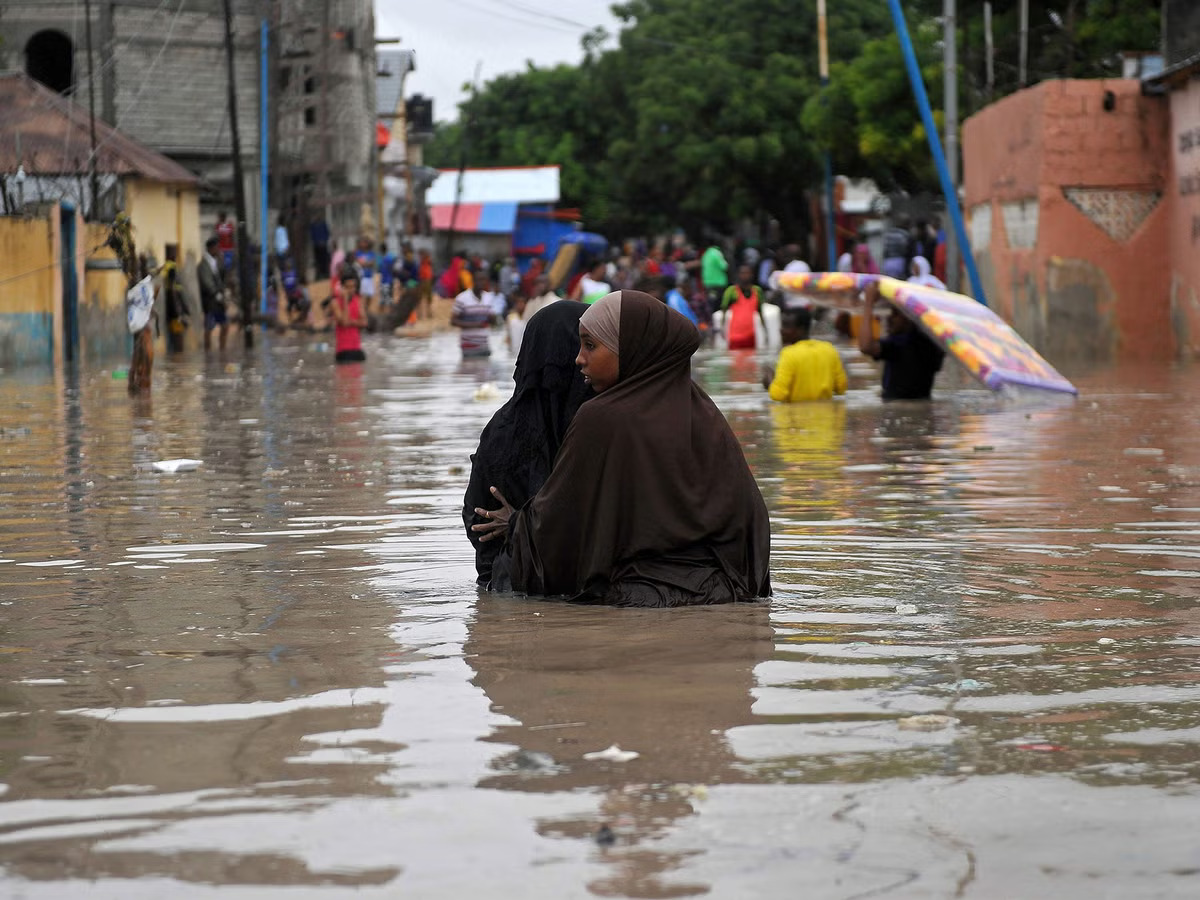
AfDB warns Africa faces Sh2.58 trillion loss from predicted ‘super’ El Niño
Listen to article
6 min listen
Audio reading is not supported on this browser.
Ready
Thanks for listening. Continue with a related story, or tap the speaker icon on the next page to listen.
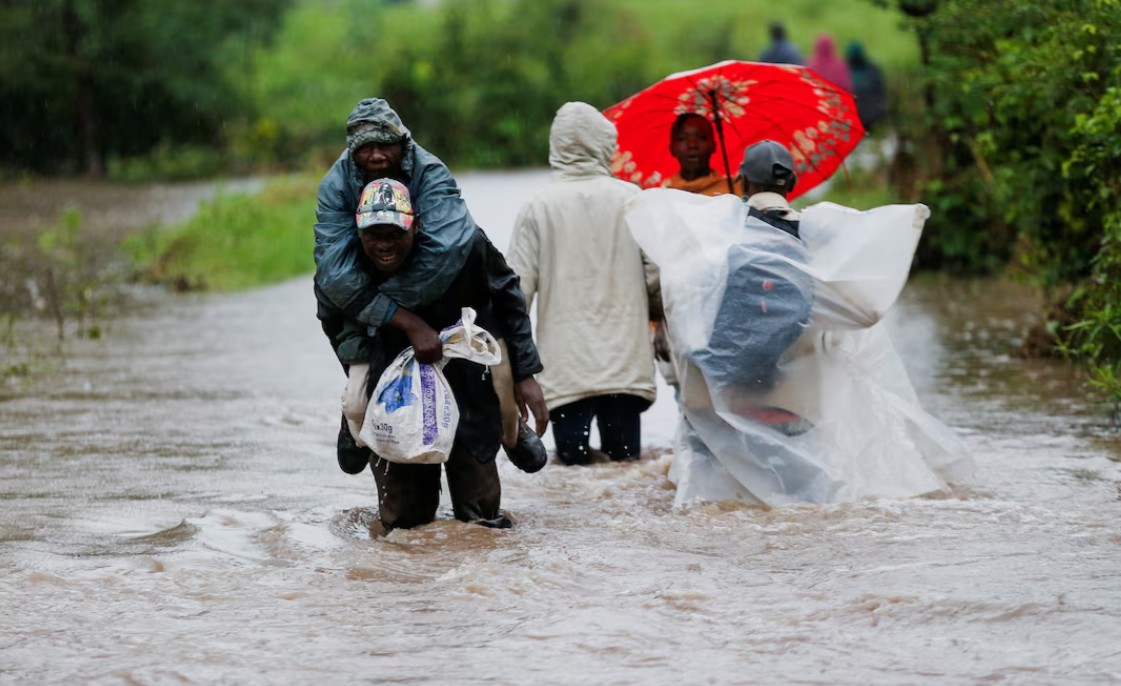
Kenya Met warns of increased rains from October as strong El Niño event looms
Charity Kilei
·
2 days agoRead nextOpens a fresh page.
Forecasters have warned that the El Niño weather pattern, which is linked to droughts, flooding and storms in Africa, could become one of the strongest ever recorded if current warming trends in the Pacific Ocean continue.
African countries could suffer economic losses of up to $20 billion (approximately Sh2.58 trillion) and face increased humanitarian pressure if a predicted ‘super’ El Niño hits with the strength currently expected, the African Development Bank (AfDB) has warned.
According to the bank, the weather event could reduce economic growth in heavily affected countries, threaten food and water security and trigger mass migration.
AfDB director for climate change and green growth, Anthony Nyong, said the expected weather event could reduce the gross domestic product (GDP) of severely affected countries by between one and two per cent on average, translating to losses of about $10 billion to $20 billion across the continent.
More To Read
- Kenya Met warns of increased rains from October as strong El Niño event looms
- Satellites can now spot methane leaks in real time – but most go unfixed
- Over two million in Machakos and Makueni face rising food insecurity, climate assessment warns
- Multilateral lenders hit record Sh13.3 trillion in climate finance for developing nations
- World’s lakes and oceans are losing oxygen in a crisis that could hit fish prices
- Tunisia scorched by record-breaking heat wave, temperatures near 50 degrees Celsius
“Just this event is going to reduce heavily affected countries’ GDP by 1 per cent to 2 per cent on average, which is about $10 billion to $20 billion across the continent,” Nyong said.
Forecasters have warned that the El Niño weather pattern, which is linked to droughts, flooding and storms in Africa, could become one of the strongest ever recorded if current warming trends in the Pacific Ocean continue.
The impact of the weather event could go beyond food and water shortages, with governments also facing pressure on their finances and banking sectors if damaged infrastructure leaves countries struggling to meet loan obligations.
Latest Stories
- Two men sentenced to death for violent robbery of boda boda rider in Wajir
- Major graft cases set for hearing this week
- Judge urges defence to consider plea bargain in State House guard murder trial
- NTSA arrests 35 pedestrians in Nairobi crackdown on footbridge violations
The AfDB’s latest projections released in May showed that Africa’s economy was expected to grow by 4.2 per cent this year and rise to 4.4 per cent in 2027, assuming the US-Israeli war on Iran eases.
However, the projections were released before warnings of a possible ‘super’ or ‘Godzilla’ El Niño emerged.
Nyong’s estimate of the possible economic impact is the first from a major multilateral development bank linked to the expected El Niño.
He said drought conditions affecting much of the Sahel region in recent years could persist, while Mozambique’s recovery after Cyclone Idai in 2019 showed that countries can take years to recover from major storms.
Nyong also warned that governments were caught in what he described as the “climate finance trap”, where countries lack enough resources to respond to disasters and are forced to take money from health, education and infrastructure budgets to deal with the effects.
The 2023 to 2024 El Niño event caused severe drought in southern Africa and heavy rains and flooding in East Africa. The conditions resulted in widespread crop failures, higher food prices and record-breaking sea-level rises along parts of the continent’s coast.
The African Development Bank estimates that farmers across Africa are already facing nearly $330 million in lost income this year, while fishing industries could also suffer due to rising sea temperatures and storms.
“When these shocks happen, countries take two steps back. We don’t want our countries to slide into poverty,” Nyong said.
The bank is preparing to increase its response to El Niño through a bank-wide seminar in September, where senior officials will assess the possible effects on planned and existing investments.
Nyong said the bank was ready to restructure projects to help countries manage the impact of El Niño and would work with governments to access additional support from multilateral institutions such as the Green Climate Fund.
Other possible sources of support include the Adaptation Fund, Climate Investment Funds and new loss-and-damage financing mechanisms, he added.
A United Nations report released in October estimated that developing countries will need about $365 billion every year by 2035 to address climate change. However, international public adaptation financing stood at only $26 billion in 2023.
Nyong said Africa could need up to $100 billion this year because of the expected strength of the El Niño event.
He warned that humanitarian challenges would increase, with Sudan, South Sudan, the Democratic Republic of Congo, Somalia, Mali, Burundi and Nigeria among countries that could experience severe effects.
“When this El Niño comes there is going to be mass migration,” Nyong said, adding that maize prices, a key food staple in many affected countries, were expected to double.
“You are not going to stay put, you are going to move.”
Nyong said shortages of resources and increased competition for grazing land and water could worsen existing challenges in vulnerable regions. He added that agricultural losses were estimated at $327 million, while fisheries productivity could decline by between one and four per cent.
The AfDB said the expected crisis shows the need for African countries to strengthen their ability to withstand climate shocks before disasters occur. The issue is expected to be a major focus during the next global climate talks scheduled to be held in Turkey in November.
Other Topics To Read
Top Stories Today
- Prof John Okumu appointed substantive Kenyatta University Vice Chancellor
- Two men sentenced to death for violent robbery of boda boda rider in Wajir
- Judge urges defence to consider plea bargain in State House guard murder trial
- NTSA arrests 35 pedestrians in Nairobi crackdown on footbridge violations
- Somalia opposition calls for transitional council, urges international backing amid political crisis
- Kasarani MP Karauri moves to court to preserve Sh71 million in loan dispute
`;
}
return “;
}
function commentActionsMarkup(comment, canComment) {
const likeLabel = comment.liked_by_me ? ‘Liked’ : ‘Like’;
const likeCount = Number(comment.like_count || 0) > 0
? “
: ”;
const likeButton = canComment && comment.status === ‘approved’
? “
: “;
const replyButton = canComment && comment.status === ‘approved’
? “
: ”;
return `
`;
}
function commentMarkup(comment, canComment, isReply = false) {
const pendingBadge = comment.status && comment.status !== ‘approved’
? “
: ”;
const edited = comment.is_edited
? “
: ”;
const repliesHtml = Array.isArray(comment.replies) && comment.replies.length
? `
`
: “;
return `
`;
}
function replyFormMarkup(commentId) {
return `
`;
}
function setNotice(widget, message, type = ‘info’) {
const notice = widget.querySelector(‘[data-role=”notice”]’);
if (!notice) return;
if (!message) {
notice.hidden = true;
notice.textContent = ”;
notice.classList.remove(‘is-error’);
return;
}
notice.hidden = false;
notice.textContent = message;
notice.classList.toggle(‘is-error’, type === ‘error’);
}
function setCount(widget, total) {
const count = widget.querySelector(‘[data-role=”count”]’);
if (!count) return;
const num = Number(total || 0);
count.textContent = num === 1 ? ‘1 comment’ : `${num} comments`;
}
function openReplyBox(widget, commentId) {
widget.querySelectorAll(‘[data-role=”reply-box”]’).forEach(box => {
box.hidden = true;
box.innerHTML = ”;
});
const targetItem = widget.querySelector(`.ev-comments__item[data-comment-id=”${commentId}”]`);
if (!targetItem) return;
const replyBox = targetItem.querySelector(‘[data-role=”reply-box”]’);
if (!replyBox) return;
replyBox.hidden = false;
replyBox.innerHTML = replyFormMarkup(commentId);
const textarea = replyBox.querySelector(‘textarea’);
if (textarea) textarea.focus();
}
function closeReplyBox(container) {
if (!container) return;
container.hidden = true;
container.innerHTML = ”;
}
async function initCommentsWidget(widget) {
const state = {
articleId: Number(widget.dataset.articleId),
loadUrl: widget.dataset.loadUrl,
storeUrl: widget.dataset.storeUrl,
commentsBaseUrl: widget.dataset.commentsBaseUrl,
canComment: widget.dataset.canComment === ‘1’,
page: 1,
perPage: 10,
sort: ‘newest’,
total: 0,
hasMore: false,
busy: false
};
const list = widget.querySelector(‘[data-role=”list”]’);
const loading = widget.querySelector(‘[data-role=”loading”]’);
const empty = widget.querySelector(‘[data-role=”empty”]’);
const loadMoreBtn = widget.querySelector(‘[data-role=”load-more”]’);
const sortSelect = widget.querySelector(‘[data-role=”sort”]’);
const composerForm = widget.querySelector(‘[data-role=”composer-form”]’);
async function loadComments(reset = true) {
if (state.busy) return;
state.busy = true;
setNotice(widget, ”);
loading.hidden = false;
if (reset) {
state.page = 1;
list.innerHTML = ”;
empty.hidden = true;
}
try {
const url = new URL(state.loadUrl, window.location.origin);
url.searchParams.set(‘page’, state.page);
url.searchParams.set(‘per_page’, state.perPage);
url.searchParams.set(‘sort’, state.sort);
const response = await requestJson(url.toString(), {
method: ‘GET’,
headers: {
‘Accept’: ‘application/json’,
‘X-Requested-With’: ‘XMLHttpRequest’
}
});
const items = Array.isArray(response.data) ? response.data : [];
const meta = response.meta || {};
state.total = Number(meta.total || 0);
state.hasMore = !!meta.has_more;
setCount(widget, state.total);
if (reset) {
list.innerHTML = ”;
}
if (!items.length && reset) {
empty.hidden = false;
} else {
empty.hidden = true;
list.insertAdjacentHTML(
‘beforeend’,
items.map(item => commentMarkup(item, state.canComment, false)).join(”)
);
}
loadMoreBtn.hidden = !state.hasMore;
} catch (error) {
if (!list.children.length) {
empty.hidden = false;
empty.textContent = ‘Unable to load comments right now.’;
}
setNotice(widget, error.message || ‘Unable to load comments.’, ‘error’);
} finally {
loading.hidden = true;
state.busy = false;
}
}
async function submitTopLevelComment(form) {
const textarea = form.querySelector(‘textarea[name=”content”]’);
const button = form.querySelector(‘[data-role=”submit-comment”]’);
if (!textarea) return;
const content = textarea.value.trim();
if (!content) return;
const originalText = button ? button.textContent : ”;
try {
if (button) {
button.disabled = true;
button.textContent = ‘Posting…’;
}
const response = await requestJson(state.storeUrl, {
method: ‘POST’,
headers: buildJsonHeaders(),
body: JSON.stringify({
article_id: state.articleId,
content: content,
source_url: window.location.href
})
});
textarea.value = ”;
if (response?.data) {
list.insertAdjacentHTML(
‘afterbegin’,
commentMarkup(response.data, state.canComment, false)
);
empty.hidden = true;
if ((response.data.status || ”) === ‘approved’) {
state.total += 1;
setCount(widget, state.total);
}
}
setNotice(widget, response.message || ‘Comment posted successfully.’);
} catch (error) {
setNotice(widget, error.message || ‘Unable to post comment.’, ‘error’);
} finally {
if (button) {
button.disabled = false;
button.textContent = originalText || ‘Post comment’;
}
}
}
async function submitReply(form) {
const commentId = Number(form.dataset.commentId || 0);
const textarea = form.querySelector(‘textarea[name=”content”]’);
const button = form.querySelector(‘.ev-comments__reply-submit’);
if (!commentId || !textarea) return;
const content = textarea.value.trim();
if (!content) return;
const originalText = button ? button.textContent : ”;
try {
if (button) {
button.disabled = true;
button.textContent = ‘Posting…’;
}
const response = await requestJson(`${state.commentsBaseUrl}/${commentId}/reply`, {
method: ‘POST’,
headers: buildJsonHeaders(),
body: JSON.stringify({
article_id: state.articleId,
content: content,
source_url: window.location.href
})
});
if (response?.data) {
const parentItem = widget.querySelector(`.ev-comments__item[data-comment-id=”${commentId}”]`);
if (parentItem) {
const repliesWrap = parentItem.querySelector(‘.ev-comments__replies’);
if (repliesWrap) {
repliesWrap.insertAdjacentHTML(
‘beforeend’,
commentMarkup(response.data, state.canComment, true)
);
}
}
}
closeReplyBox(form.closest(‘[data-role=”reply-box”]’));
setNotice(widget, response.message || ‘Reply posted successfully.’);
} catch (error) {
setNotice(widget, error.message || ‘Unable to post reply.’, ‘error’);
} finally {
if (button) {
button.disabled = false;
button.textContent = originalText || ‘Post reply’;
}
}
}
async function toggleLike(button) {
const commentId = Number(button.dataset.commentId || 0);
if (!commentId) return;
const originalHtml = button.innerHTML;
try {
button.disabled = true;
button.innerHTML = ‘Working…’;
const response = await requestJson(`${state.commentsBaseUrl}/${commentId}/like`, {
method: ‘POST’,
headers: buildJsonHeaders(),
body: JSON.stringify({})
});
const liked = !!response?.data?.liked;
const likeCount = Number(response?.data?.like_count || 0);
button.classList.toggle(‘is-liked’, liked);
button.innerHTML = `${liked ? ‘Liked’ : ‘Like’} ${likeCount > 0 ? “ : ”}`;
} catch (error) {
button.innerHTML = originalHtml;
setNotice(widget, error.message || ‘Unable to update like.’, ‘error’);
} finally {
button.disabled = false;
}
}
if (composerForm) {
composerForm.addEventListener(‘submit’, function (e) {
e.preventDefault();
submitTopLevelComment(composerForm);
});
}
if (sortSelect) {
sortSelect.addEventListener(‘change’, function () {
state.sort = this.value || ‘newest’;
loadComments(true);
});
}
if (loadMoreBtn) {
loadMoreBtn.addEventListener(‘click’, function () {
if (state.busy || !state.hasMore) return;
state.page += 1;
loadComments(false);
});
}
widget.addEventListener(‘click’, function (e) {
const likeBtn = e.target.closest(‘[data-action=”toggle-like”]’);
if (likeBtn) {
e.preventDefault();
toggleLike(likeBtn);
return;
}
const replyBtn = e.target.closest(‘[data-action=”toggle-reply”]’);
if (replyBtn) {
e.preventDefault();
openReplyBox(widget, Number(replyBtn.dataset.commentId || 0));
return;
}
const cancelReplyBtn = e.target.closest(‘[data-action=”cancel-reply”]’);
if (cancelReplyBtn) {
e.preventDefault();
closeReplyBox(cancelReplyBtn.closest(‘[data-role=”reply-box”]’));
}
});
widget.addEventListener(‘submit’, function (e) {
const replyForm = e.target.closest(‘.ev-comments__reply-form’);
if (replyForm) {
e.preventDefault();
submitReply(replyForm);
}
});
loadComments(true);
}
document.addEventListener(‘DOMContentLoaded’, function () {
document.querySelectorAll(‘.ev-comments’).forEach(initCommentsWidget);
});
})();
Trending
Delayed KNEC payments to teachers risk disrupting 2026 national examinations, KNUT warnsEducation
|Lucy Mumbi
|19 hours ago
Two men sentenced to death for violent robbery of boda boda rider in WajirNews
|Lucy Mumbi
|33 minutes ago
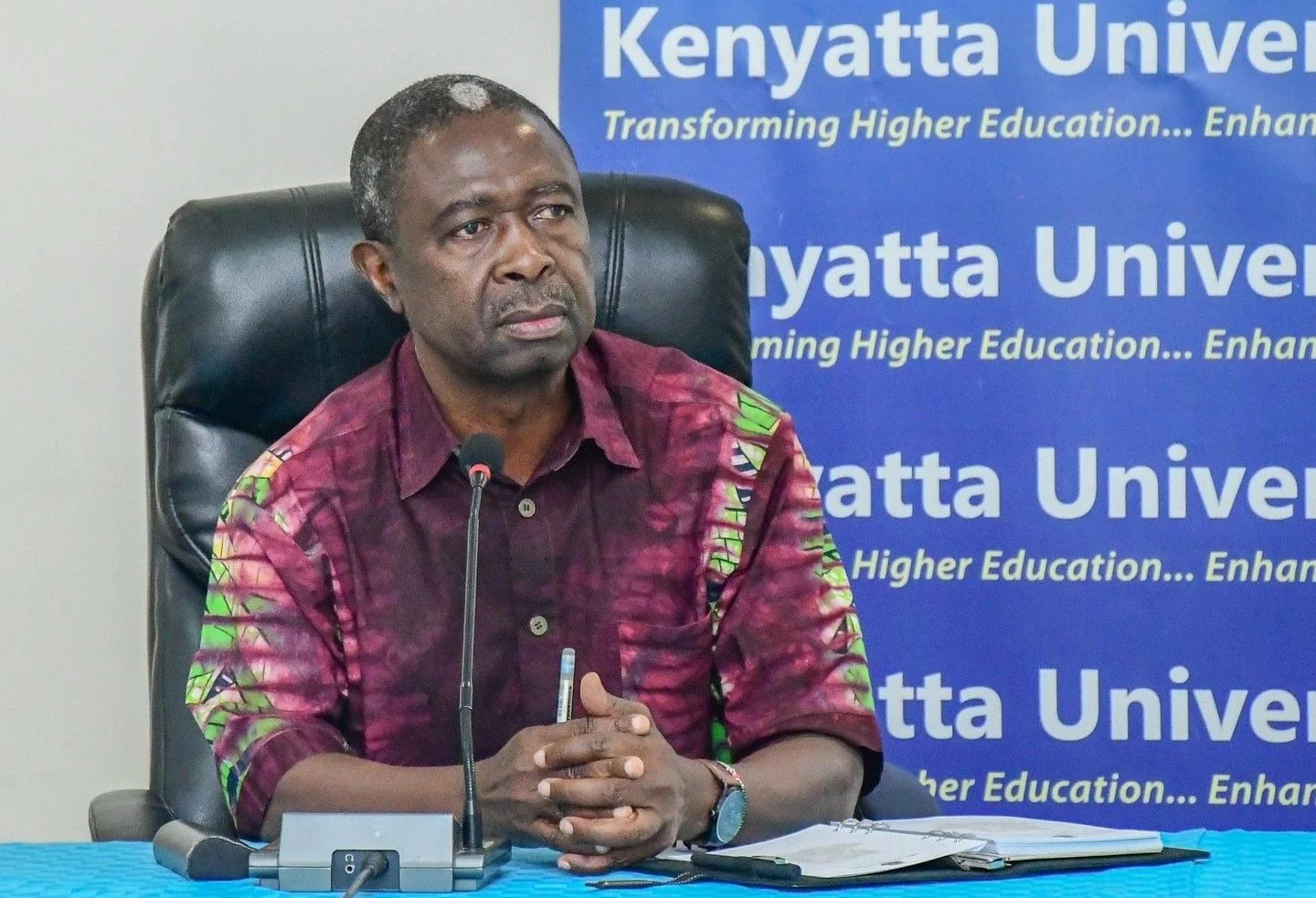
Prof John Okumu appointed substantive Kenyatta University Vice ChancellorEducation
|Lucy Mumbi
|2 hours ago
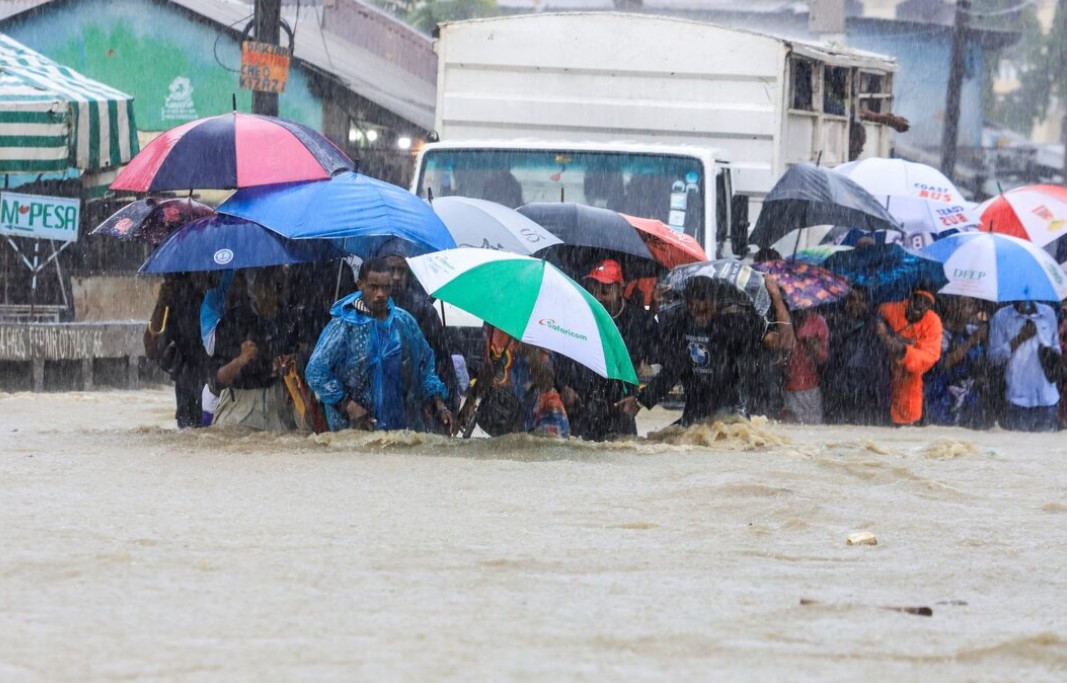
Rain, strong winds and cool weather expected over the next 24 hours – WeathermanNews
|Lucy Mumbi
|3 hours ago

Sifuna sets eyes on presidency as Linda Mwananchi shows might in Western KenyaPolitics
|Barack Oduor
|1 day ago
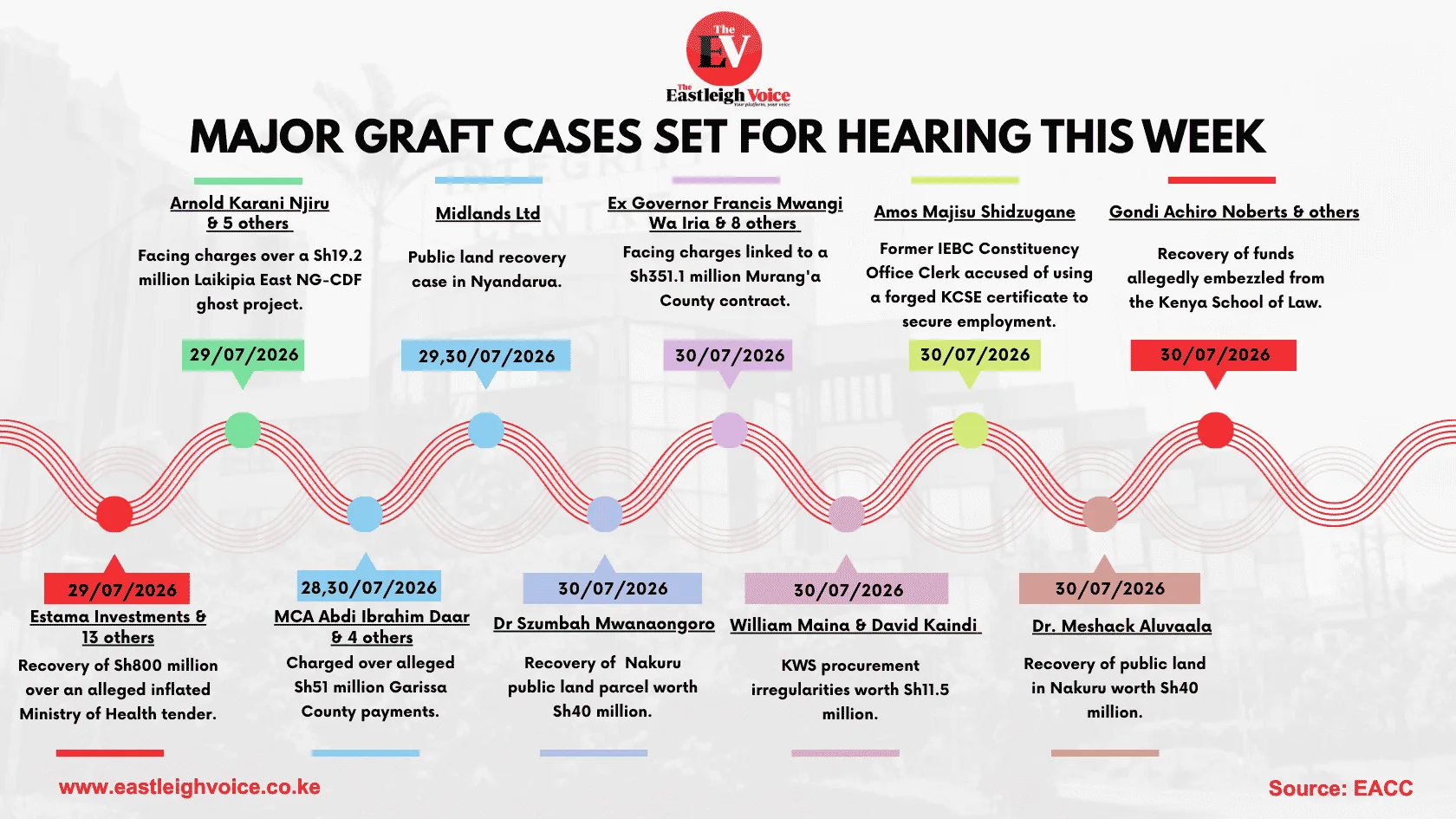
Major graft cases set for hearing this weekInfographics
|Charity Pancras
|55 minutes ago
Judge urges defence to consider plea bargain in State House guard murder trialNews
|Carolyne Kubwa
|1 hour ago
Activists condemn stabbing of DCI officer in Lamu, warn of rising youth crimeNews
|Farhiya Hussein
|4 hours ago
From candidate nominations to final approval: How the next UN secretary-general will be pickedWorld
|Lucy Mumbi
|6 hours ago
Why learning to swim is one of the most important life-saving skills for every childHealth
|Charity Kilei
|1 day ago
