Close Menu
    Facebook X (Twitter) Instagram
    • Home
    • Contact Us
    • About Us
    • Privacy Policy
    • Terms Of Service
    • Advertisement
    Tuesday, July 28
    Facebook X (Twitter) Instagram Pinterest Vimeo
    ABS Africa TV
    • Breaking News
    • Trending
    • Africa News
    • World News
    • Features
    • Technology
    • Sports
    • Politics
    • More
      • Culture
      • Lifestyle
      • Travel
      • Business
      • Environment
      • Legal
      • Health
      • Cameroon
      • Ambazonia
      • AfroSingles
      • Environ/Climate
      • Editorial
      • The Leak Magazine
    • Donate
    Subscription
    ABS Africa TV
    Home»Health»Africa CDC boss commends Rwanda’s progress in hepatitis elimination
    Health

    Africa CDC boss commends Rwanda’s progress in hepatitis elimination

    Justus AkaminBy Justus AkaminJuly 28, 2026No Comments4 Mins Read
    Facebook Twitter Pinterest LinkedIn Tumblr Email
    Africa CDC boss commends Rwanda’s progress in hepatitis elimination
    Share
    Facebook Twitter LinkedIn Pinterest Email
    Post Views: 16

    Africa CDC boss commends Rwanda’s progress in hepatitis elimination
    Tuesday, July 28, 2026
    Prince Ruzigana

    Rwanda’s efforts to expandhepatitis screening, treatment and decentralised care have been highlighted as an example of how African countries can take greater ownership of their health systems.

    The recognition was made by Dr Jean Kaseya, Director General of the Africa Centres for Disease Control and Prevention (Africa CDC), who cited Rwanda, Egypt and Uganda as countries demonstrating that domestic leadership and investment can accelerate progress against viral hepatitis.

    In his article released on the occasion of World Hepatitis Day on Tuesday, July 28, and alongside the launch of Africa CDC’s Operational Toolkit for the Prevention, Diagnosis and Management of Hepatitis B, Kaseya said Africa’s challenge was no longer a lack of knowledge or tools, but a gap between available solutions and their implementation.

    “Every one of those deaths was avoidable using tools invented decades ago,” he said, describing the situation as an “implementation failure.”

    Africa is home to an estimated 64 million people living with chronic hepatitis B, accounting for about 63 per cent of new hepatitis B infections globally

    The disease caused an estimated 272,000 deaths on the continent in 2022, while fewer than five per cent of infected people have been screened and fewer than one per cent receive treatment.

    Kaseya said Rwanda has demonstrated what sustained political commitment can achieve, noting that the country has screened more than seven million people, made hepatitis C treatment free nationwide, decentralised services and allowed trained nurses to manage uncomplicated cases at primary healthcare facilities.

    “Egypt, Rwanda and Uganda have shown what determined action achieves. Their progress should now become the continental standard,” he said.

    The Africa CDC toolkit is intended to help health workers, particularly those in district facilities with limited access to specialists, manage hepatitis cases through practical guidance on diagnosis, treatment and patient monitoring.

    Kaseya said hepatitis presents a test for Africa’s health sovereignty agenda because the tools needed to address it are already available.

    “The vaccine costs cents. The medicines are off patent. The diagnostics are simple,” he said, arguing that existing platforms used for maternal health, HIV and tuberculosis services can also deliver hepatitis interventions.

    He said health sovereignty does not mean isolation but requires African countries to lead in setting priorities, financing health systems, strengthening local production and reducing dependence on external support.

    The Africa CDC boss also pointed to Rwanda’s approach of integrating hepatitis services into primary healthcare as part of a wider model that other countries can learn from.

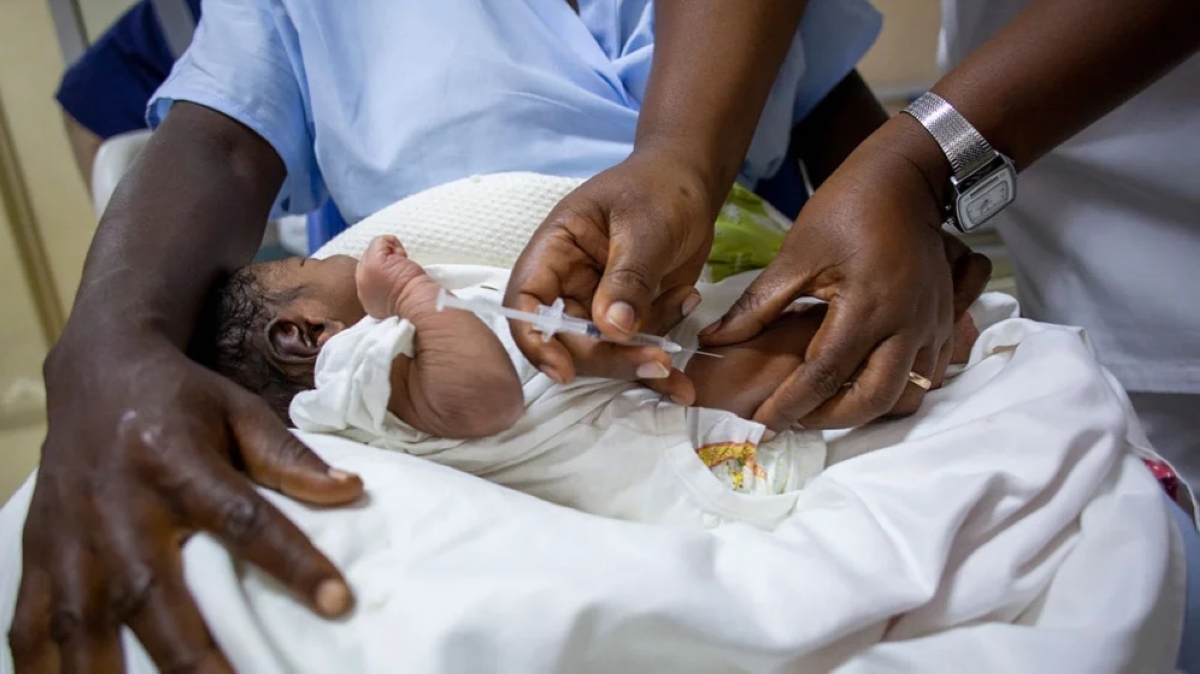
    Across the continent, nearly all African Union member states have introduced hepatitis B vaccination into routine childhood immunisation programmes. However, challenges remain, particularly in ensuring newborns receive the vaccine within 24 hours of birth — a measure that can prevent almost all mother-to-child transmission.

    Kaseya called on African countries to increase domestic financing, strengthen local manufacturing of vaccines and medicines, integrate hepatitis services into primary healthcare systems, deepen regional cooperation and increase public awareness.

    He said progress should ultimately be measured through practical outcomes, including newborns receiving timely vaccination, pregnant women accessing screening, and patients being diagnosed and treated before developing severe liver disease.

    “None of that requires a scientific breakthrough. All of it requires a decision,” he said.

    • Africa CDC
    • HEPATITIS
    • Rwanda

    Uganda announces end of Ebola outbreak

    More older Rwandans seek care for memory problems linked to dementia

    Why eight prenatal visits matter for mothers and babies

    Cabinet approves concession agreement for high-value therapeutic crops project

    Can a digital detox improve your health?

    PHOTOS: Medicine alone is not enough: First Lady calls for nutrition at the heart of patient care

    africa boss Commends Progress Rwandas
    Share. Facebook Twitter Pinterest LinkedIn Tumblr Email
    Justus Akamin
    • Website

    Related Posts

    Gauteng Assures Public Dialysis Services Remain Uninterrupted

    July 28, 2026

    Uganda officially ends Ebola outbreak after weeks of containment efforts

    July 28, 2026

    U.S. HIV Aid Cuts Rapidly Impact East Africa Care

    July 28, 2026
    Leave A Reply Cancel Reply

    Search
    Latest Post

    Zimbabwe Tourism Authority Launches Sweeping Consumer Protection Initiative to Enforce Compliance and Elevate Tourist Safety Standards in Zimbabwe: New Travel Alert

    July 28, 2026

    Alexforbes H2 asset allocation and bond outlook

    July 28, 2026

    Can Türkiye Keep Pace with Changing Global Economy?

    July 28, 2026

    Gauteng Assures Public Dialysis Services Remain Uninterrupted

    July 28, 2026

    Trump administration appeals to Supreme Court to revive executive order setting limits, rejected by lower courts

    July 28, 2026

    Subscribe to Updates

    Get the latest creative news from FooBar about art, design and business.

    • Facebook
    • Twitter
    • Pinterest
    • Instagram
    • YouTube
    • TikTok
    ABS TV and ABS Network News is a leading Pan-African 24/7 broadcasting network delivering nonstop news, talk shows, lifestyle programs, and digital media content worldwide through Satellite, Streaming Platforms, and Roku TV.
     
    Based in the United States, we connect Africa to the world while empowering creators, journalists, and brands through innovative media and broadcasting services.
    Facebook X (Twitter) Pinterest WhatsApp Instagram

    Our Picks

    Travel

    Zimbabwe Tourism Authority Launches Sweeping Consumer Protection Initiative to Enforce Compliance and Elevate Tourist Safety Standards in Zimbabwe: New Travel Alert

    Environment

    Alexforbes H2 asset allocation and bond outlook

    Business

    Can Türkiye Keep Pace with Changing Global Economy?

    Most Popular

    Health

    Gauteng Assures Public Dialysis Services Remain Uninterrupted

    Legal

    Trump administration appeals to Supreme Court to revive executive order setting limits, rejected by lower courts

    Lifestyle

    Nollywood Star Rechael Okonkwo Launches Debut Book Odogwu Girl in grand style

    © 2026 Copyright. All Rights Reserved by ABSAFRICATV
    • Privacy Policy
    • Terms of Services

    Type above and press Enter to search. Press Esc to cancel.

    We use cookies to ensure that we give you the best experience on our website. If you continue to use this site we will assume that you are happy with it.