


There were 2,011 press releases posted in the last 24 hours and 481,913 in the last 365 days.
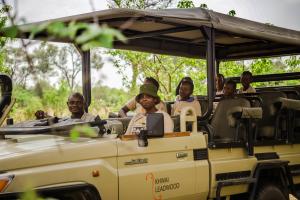
African Bush Camps Little Ranger Day
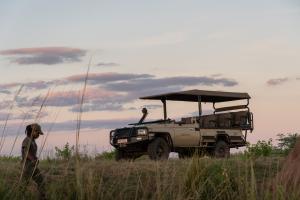
African Bush Camps Female Rangers Zimbabwe
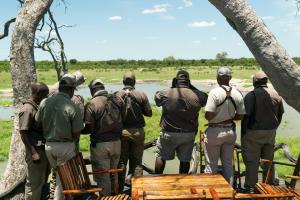
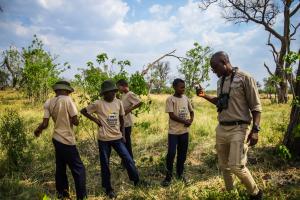
African Bush Camps Little Ranger Day Safari Guide Mentoring Local Youth
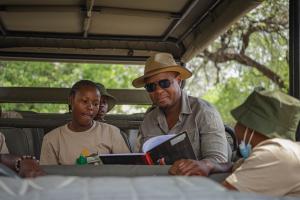
African Bush Camps CEO Beks Ndlovu with Little Ranger Program Participants
Built on Zimbabwe’s renowned guiding tradition, African Bush Camps develops elite safari guides and future conservation leaders
Everything we do begins with our guides. My own journey started in Zimbabwe’s guiding schools, where I learned that being a great guide isn’t simply about identifying wildlife”— Beks Ndlovu, founder and CEO of African Bush Camps
CAPE TOWN, CAPE TOWN, SOUTH AFRICA, July 28, 2026 /EINPresswire.com/ — Two decades after Zimbabwean safari guide Beks Ndlovu founded African Bush Camps, the luxury safari company is celebrating more than a business milestone. African Bush Camps is marking three anniversaries this year: its 20th year in operation, the 10th anniversary of its annual Guide Training Program, and the fifth anniversary of its Female Guides Program. Together, they reaffirm the philosophy that has guided its growth from a single safari camp in Zimbabwe to one of Africa’s leading luxury safari operators across Botswana, Zambia, and Zimbabwe: extraordinary safaris begin with extraordinary guides.
Zimbabwe is widely celebrated for its remarkable wildlife experiences. It is also home to some of Africa’s most accomplished professional guides. The country’s rigorous certification process, renowned for its demanding field assessments, dangerous-game walking qualifications, tracking expertise, firearm competency, and comprehensive natural history knowledge, has long set the benchmark for professional safari guiding. While exceptional guides now emerge from across the continent, Zimbabwe’s guiding tradition remains one of the most respected and difficult to achieve in Africa.
For Ndlovu, that tradition became the blueprint for building African Bush Camps. “Everything we do begins with our guides,” shares Beks Ndlovu, founder and CEO of African Bush Camps. “My own journey started in Zimbabwe’s guiding schools, where I learned that being a great guide isn’t simply about identifying wildlife; it’s about understanding ecosystems, reading landscapes, earning trust, and creating meaningful connections between people and nature. Those lessons became the foundation upon which African Bush Camps was built.”
As African Bush Camps expanded into Botswana and Zambia over the past two decades, so too did its commitment to maintaining the highest standards of guiding across every destination. Today, the company believes that exceptional guiding remains one of the defining characteristics of a truly extraordinary safari.
A Commitment to Lifelong Learning
For African Bush Camps, guide training doesn’t end once certification is achieved. Every year since 2016, the company has temporarily closed its Experiences to bring together guides from across its portfolio for an intensive training program, pairing every guide with an experienced mentor who provides ongoing coaching throughout the year. The result is a culture of continuous learning that reflects the company’s belief that even the most experienced guides should never stop refining their knowledge.
Conserving Zimbabwe’s Guiding Legacy
Each year, African Bush Camps runs its Guide Training Program for guides across Botswana, Zambia, and Zimbabwe, investing in the skills that define a safari experience long before a guest ever steps into a vehicle.
All African Bush Camps guides are supported through this annual ten-day training program, covering a wide range of essential skills, including driving proficiency, shooting practice, first aid certification, safety and emergency procedures, radio use, and etiquette, combining both practical and theoretical learning delivered in collaboration with field specialists. Throughout the year, learner guides also complete monthly written assessments set by the professional guiding team, covering a broad range of topics from grasses and animal bone structures to national park legislation, animal behaviors, habitats, and general guiding knowledge.
In addition to written work, learner guides are required to meet monthly practical development benchmarks, including completing a minimum number of guided walks with a professional guide, approaching animals on foot, identifying at least ten bird calls, identifying trees and grasses, and completing regular shooting assessments. On top of this internal training, approximately four learner guides per year are selected to attend an additional external week-long training program led by field specialists and fully funded by African Bush Camps.
One of the greatest barriers for aspiring guides often comes during the final stages of certification, when candidates must independently execute a complete safari experience under examination. Recognizing this, African Bush Camps provides practical support through equipment, camp infrastructure, mentorship, and field reg process
“Investing in people is one of the most meaningful ways we can invest in conservation. Our responsibility extends beyond hiring exceptional guides,” shares Ndlovu. “If we want the safari industry to continue thriving, we have to support the next generation of guides who will eventually become mentors themselves.”
Opening New Paths for Women in Guiding
2026 marks five years since the launch of African Bush Camps’ Female Guides Program, an initiative designed to increase opportunities for women in one of conservation tourism‘s male-dominated fields. To date, seven women have successfully completed the program, receiving their full qualifications through African Bush Camps.
As part of its long-term commitment to creating a more inclusive safari industry, African Bush Camps has set an ambitious goal for women to comprise at least 25 percent of its guiding team by 2030. Through a structured two-year curriculum combining classroom education, practical field experience, mentorship, and on-the-job learning, the program equips women with the technical knowledge, confidence, and leadership skills required to succeed as professional safari guides.
Nomsa Nemukuyu, African Bush Camps’ first female Zimbabwean guide, is helping redefine the profession. Her certification is a personal achievement and a step toward greater representation in the safari industry.
“Being a female guide is both a privilege and a responsibility,” shares safari guide Nemukuyu. “It allows us to demonstrate to young women that conservation and guiding are careers where they belong. With the right support, training and determination, women can thrive in this profession while inspiring the next generation to follow.”
Guiding the Future of African Conservation
For African Bush Camps, investing in the future of safari guiding begins long before someone enters professional guide training. It starts by inspiring the next generation to understand, value, and conserve the landscapes they call home. Landscapes that, despite being on their doorstep, are often out of reach for the children who live alongside them. In 2024, the African Bush Camps Foundation, in partnership with Re Jala Peo, adapted and introduced the Junior Ranger Program at Khwai Primary School and Khwai Pre-School. The program introduces children living in communities surrounding Botswana’s wildlife areas to conservation through hands-on learning, field experiences, and environmental education.
In 2025, the initiative engaged 55 learners through twice-weekly sessions, achieving an outstanding 100% attendance rate across 30 sessions. Building on this strong momentum, the African Bush Camps Foundation developed specialized Junior Guides Training, allowing learners to experience conservation in action through immersive guiding experiences out in the bush.
“The impact we see goes beyond a single day,” reflects Selly Kegakamang, the Botswana Country Lead for African Bush Camps Foundation, who has spearheaded the Junior Rangers Program. “The learners are growing in curiosity, confidence, and connection to their environment.”
These initiatives are helping to nurture a generation of young conservation ambassadors who understand the importance of protecting the landscapes and wildlife that surround their community.
“The children growing up alongside these landscapes are their future guardians,” shares Ian Mills, Chief Conservation Officer at African Bush Camps Foundation. “When young people understand the value of wildlife, conservation becomes more than a profession; it becomes ang in local communities today, we’re helping ensure that tomorrow’s guides, conservationists, and leaders are the people who know these places best.”
African Bush Camps is marking a decade of guide training, five years of championing women in guiding, and two decades of conservation-led hospitality. Across all three, the company continues to invest in the people behind its safari experiences, not just the experiences themselves. That includes aspiring guides completing Zimbabwe’s rigorous certification process, and schoolchildren discovering the importance of conserving the wild places they call home. To learn more about African Bush Camps’ commitment to guide development, conservation, and community empowerment, visit www.africanbushcamps.com.
About African Bush Camps
Founded in 2006 by local Zimbabwean guide Beks Ndlovu, African Bush Camps connects travelers to Southern Africa through authentic, expert-led safari experiences. The company operates luxury safari lodges across Botswana, Zambia, and Zimbabwe, set within UNESCO World Heritage Sites and iconic landscapes including the Okavango Delta, Victoria Falls, and Hwange National Park. Through The Collective, a curated network of partner properties across Southern Africa including Mozambique and South Africa, guests can explore more of the region in one seamless journey. An independent, owner-operated safari company, African Bush Camps is guided by a mission to share and conserve Africa. This commitment is realized through the African Bush Camps Foundation, which supports conservation, community, and sustainability.
Alexandra Avila
REYA Communications
alexandra@reyacommunications.com
EIN Presswire provides this news content “as is” without warranty of any kind. We do not accept any responsibility or liability
for the accuracy, content, images, videos, licenses, completeness, legality, or reliability of the information contained in this
article. If you have any complaints or copyright issues related to this article, kindly contact the author above.

