Biovac’s cholera vaccine test for Africa’s self-reliance
July 29, 2026AFRICA, Health, In The Magazine, NEWS ANALYSIS
The continental bid to make more of its own vaccines is moving from ambition to production
NEWS ANALYSIS | RONALD MUSOKE | Africa has set itself an ambitious deadline of eliminating cholera by 2030. But behind that goal sits a more fundamental question about the continent’s ability to protect its people from disease: can Africa make the vaccines it needs?
A new investment in South Africa may provide part of the answer. The African Development Bank Group (AfDB) has finalized a loan of up to US$15 million to the Biologicals and Vaccines Institute of South Africa (Biovac), to support a new multi-vaccine manufacturing facility in Cape Town, according to a July 24 brief sent to The Independent.
The project is expected to turn Biovac into Africa’s first end-to-end producer of oral cholera vaccine. It is a relatively modest financing package measured against the scale of Africa’s health needs. But the significance of the investment goes well beyond its dollar value.
Africa currently imports more than 99% of the vaccines it uses, despite carrying a disproportionate share of the world’s vaccine-preventable disease burden. At the same time, the continent is trying to build an industry capable of supplying far more of its own vaccines.
The African Union has set a target of producing 60% of vaccines used on the continent locally by 2040. Biovac’s expansion puts that ambition to a practical test. The project is expected to increase the company’s total annual manufacturing capacity to as many as 500 million vaccine doses. The new facility is scheduled for completion in 2028 and is expected to begin with oral cholera vaccines before subsequently producing vaccines for polio, pneumonia and meningitis. For Africa, the timing matters.
Cholera remains public health threat
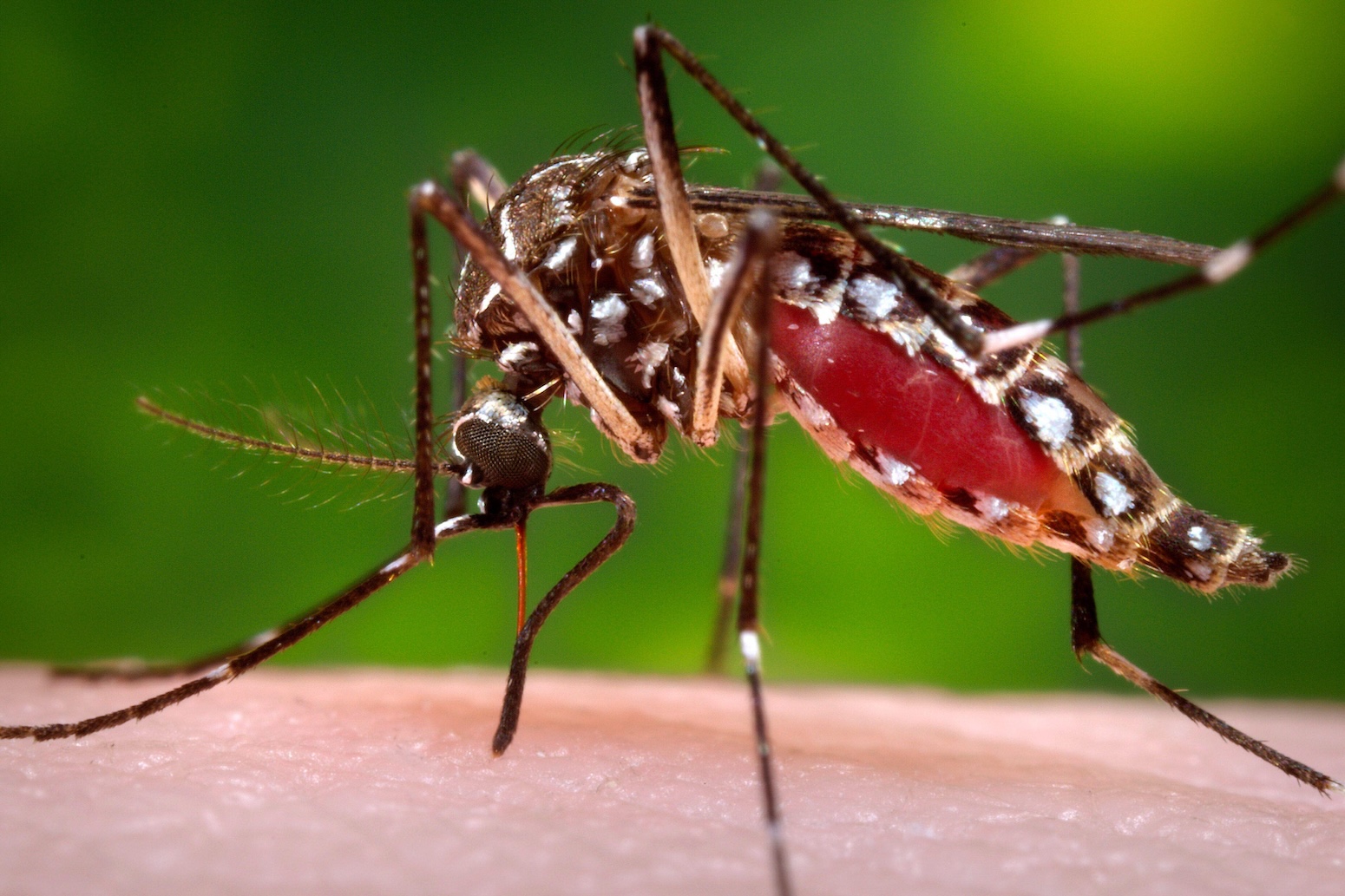
Cholera has re-emerged as an urgent continental public health challenge. As of May 2025, Africa had reported approximately 130,000 cholera cases and 2,700 deaths. Countries that had gone years without the disease have faced renewed outbreaks, while progress toward existing continental cholera prevention and control targets has remained limited.
In June, last year, leaders from 20 cholera-affected African countries met under the auspices of the Africa Centres for Disease Control and Prevention (Africa CDC) and committed themselves to a continental strategy aimed at eliminating the disease by 2030. Their commitments included stronger cross-border surveillance, national and continental coordination, expanded water and sanitation infrastructure, community engagement and, crucially, increased local vaccine manufacturing.
That makes the Biovac project more than an industrial expansion. It connects Africa’s campaign against a persistent disease with a much broader attempt to change how the continent secures essential health products.
Africa’s vaccine imbalance is stark. The continent accounts for around 20% of the world’s population, yet its vaccine industry provides only about 0.1% of global supply. Demand for vaccines in Africa is already valued at more than US$1 billion annually and is projected to grow as the continent’s population expands. For decades, that imbalance has left African countries overwhelmingly dependent on vaccines manufactured elsewhere.
The COVID-19 pandemic exposed the risks embedded in that model. Vaccine inequity and supply insecurity pushed the question of local manufacturing higher up the continent’s political agenda. The Biovac investment is one attempt to convert that political ambition into manufacturing capacity.
“This investment in Biovac is about much more than expanding vaccine production capacity,” said Solomon Quaynor, AfDB’s Vice President for Private Sector, Infrastructure and Industrialisation. “It is about building Africa’s health sovereignty, strengthening regional value chains, and creating industrial capabilities that will enable the continent to respond more effectively to future health emergencies.”
That idea — health sovereignty — sits at the centre of the project. For more than two decades, Biovac has been South Africa’s primary vaccine supplier. Established in 2003 in partnership with the South African government, the company has delivered more than 450 million vaccine doses across Southern Africa, including COVID-19 vaccines.
The latest expansion is intended to push the company further along the manufacturing chain. Once completed, Biovac is expected to become not only Africa’s first end-to-end producer of oral cholera vaccine but also South Africa’s first local producer of inactivated polio vaccine. Th
e project involves technology-transfer partnerships with Sanofi, the International Vaccine Institute, Biological E Limited, EuBiologics and Bharat Biotech.
For Biovac Chief Executive Officer, Morena Makhoana, the ambition is to fundamentally alter the continent’s relationship with vaccine production. “The project will shift the narrative from majority-imported vaccines to majority-exported vaccines,” Makhoana said. “This is part of changing that reality permanently.”
Manufacturing is only part of the equation
Building factories, however, does not by itself create a sustainable vaccine industry. Vaccine manufacturing comes with high start-up costs. Producers need sufficient and predictable demand if investments in manufacturing capacity are to remain commerciallye architecture becomes important
Biovac’s expansion has been designed to connect with Gavi’s African Vaccine Manufacturing Accelerator (AVMA), a US$1.2 billion financing mechanism launched in June 2024. AVMA is intended to support the growth of commercially sustainable vaccine manufacturing in Africa over a decade. Rather than financing only the construction of manufacturing capacity, the mechanism creates incentives further downstream.
Manufacturers producing eligible vaccines can receive milestone payments after achieving World Health Organization prequalification. They can then receive additional per-dose payments when eligible vaccines are supplied after successfully competing for UNICEF tenders. The structure seeks to address one of the central challenges confronting African vaccine manufacturing: how to ensure that locally produced vaccines have a pathway from factory floor to viable market. The Biovac project therefore tests two propositions simultaneously.
The first is whether Africa can develop the technological and industrial capability to manufacture more of its own vaccines. The second is whether emerging procurement and financing systems can make that manufacturing commercially sustainable. If those two pieces fail to connect, additional production capacity alone may not resolve Africa’s dependence on imported vaccines. If they do connect, the implications could stretch well beyond cholera.
Cholera provides an immediate case for putting the model to work. African leaders have described the current situation as demanding action at the highest political level. Their continental call to action envisages stronger coordination between countries, a Continental Task Force for Cholera Elimination, presidential task forces at national level and greater domestic investment in preparedness and response.
Local vaccine manufacturing is part of that strategy, alongside the less glamorous but indispensable work of expanding water and sanitation infrastructure. Biovac’s facility is expected to come online two years before the continent’s 2030 cholera elimination target. That timetable creates both opportunity and pressure.
The plant will not solve cholera on its own. The continental strategy itself recognises that vaccines must sit alongside surveillance, sanitation, political coordination and community engagement. But locally produced oral cholera vaccine could add another layer to Africa’s ability to respond to outbreaks while reducing reliance on external manufacturing.
Kennedy Mbekeani, the AfDB’s Director General for Southern Africa and Country Manager for South Africa, said the expansion would allow Biovac to scale production in areas where demand is particularly important. The vaccines, he said, will protect children against “cholera, polio, pneumonia and meningitis.” The project is therefore being built not around a single vaccine but around a broader manufacturing platform.
There is also an industrial-policy dimension. The expansion is projected to create around 340 full-time jobs. About 43% are expected to go to women and 30% to young people. Biovac already employs more than 300 people, half of them women. The company also plans to expand training in vaccine manufacturing, quality control and regulatory science through partnerships with local universities and regional training institutions.
That matters because manufacturing vaccines requires more than physical infrastructure. It requires technical skills, regulatory capacity, technology transfer and a workforce able to maintain demanding production and quality standards. The financing structure itself reflects the number of institutions required to build that ecosystem.
The African Development Bank is joining a syndicate of development finance institutions backing the project. The International Finance Corporation is leading the syndicate, while the project also has support from the Human Development Accelerator programme, a European Union-backed initiative implemented by the European Investment Bank in partnership with the Gates Foundation. Other global health partners are providing grants and support for technology transfers. The result is a project in which public health, development finance, industrial policy and private manufacturing converge.
A test of Africa’s health sovereignty
Africa’s vaccine challenge has never simply been a question of whether a factory can produce doses. It is about whether a continent that imports more than 99% of the vaccines it uses can build a manufacturing ecosystem capable of surviving after the initial investments are made. It is about whether technology transfer can produce lasting local capability.
It is about whether African manufacturers can reach international standards, win competitive tenders and find reliable markets for their products. And, in the immediate case of cholera, it is about whether manufacturing capacity can become part of a continental public health response before the 2030 elimination deadline arrives. Biovac’s Cape Town expansion will not answer all those questions. But it brings them together in one project.
Africa has already declared that it wants to move from dependence toward vaccine self-reliance. It has set manufacturing targets, created financing incentives and made local production part of its strategy against cholera. Biovac is where some of those ambitions are now being translated into machinery, skills and doses. The question is no longer simply whether Africa wants to make its own vaccines. The test now is whether it can build a system that allows African-made vaccines to endure.
AFDBafricaBiovacCholeraCOVID-19Ronald Musokevaccines2026-07-29The Independent