

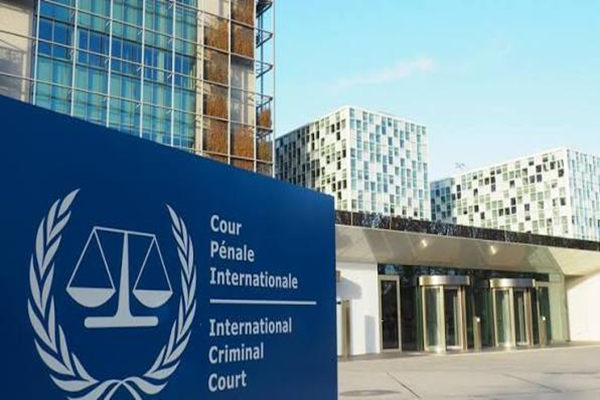
Chad Announces ICC Withdrawal, Accuses Court of Targeting Africa
Chad has announced its decision to begin the process of withdrawing from the International Criminal Court (ICC), joining a growing list of countries distancing themselves from the Hague-based tribunal. The move comes amid mounting pressure from the United States, which earlier this month launched a campaign against the ICC, accusing……

Chad has announced its decision to begin the process of withdrawing from the International Criminal Court (ICC), joining a growing list of countries distancing themselves from the Hague-based tribunal.
The move comes amid mounting pressure from the United States, which earlier this month launched a campaign against the ICC, accusing the court of posing “an intolerable threat to US sovereignty” and warning of further sanctions.
Venezuela and the military-led governments of Burkina Faso, Mali, and Niger have also initiated steps to leave the ICC this month. Burundi and the Philippines have previously withdrawn from the court, which prosecutes individuals accused of war crimes and crimes against humanity.
In a statement announcing the decision, Chad’s government said the withdrawal followed “an in-depth review of the functioning of the International Criminal Court since it began operating in 2002, as well as its record, whose effectiveness remains limited and uneven.”
The government also accused the ICC of disproportionately focusing on African countries, noting that nine of the 13 investigations launched by the court since its establishment have involved African states, while only four relate to other regions.
READ ALSO: Ghanaians Petition ICC Over Xenophobic Violence in <a href="https://absafricatv9491.live-website.com/south-africas-quiet-loss-of-natural-heritage/" title="South Africa’s Quiet Loss of Natural Heritage”>South Africa
“The court has only seven people in custody, six of whom are being prosecuted in African situations,” it added.
The Chadian foreign minister’s official Facebook page posted a statement last week saying the US had pressed the government in Niamey to reconsider its ICC membership.
“The American side expressed its concerns about the functioning of this institution and called on Chad to review its accession to the Rome Statute,” it said of the phone call on Thursday between US deputy secretary of state for African affairs Frank Garcia and Chadian Foreign Minister Abdoulaye Sabre Fadoul.
On Friday, however, Sabre Fadoul told AFP “it was not at the Americans’ request that we decided to withdraw from the ICC”.
‘Weakens’ criminal justice
Chad’s decision to leave the ICC after 20 years comes amid allegations by national and international organisations of Ndjamena’s suspected involvement in the war in neighbouring Sudan between the army and paramilitaries.
The Sudanese army and NGOs accuse Chad of facilitating the shipment of weapons from the United Arab Emirates to the paramilitary Rapid Support Forces.
Both sides in the Sudanese conflict are regularly accused by the international community of war crimes, including systematically targeting civilians and indiscriminately bombing populated areas.
Fadoul posted a video on Facebook on Monday saying: “Chad no longer felt in step with the International Criminal Court as it currently operates.
“What is happening at the ICC should give pause for thought to all African countries that are still members,” he said.
“We must no longer accept being the willing victims of a two-tier system.”
French lawyer Vincent Brengarth, who represents NGOs alleging war crimes in Sudan, said Chad’s withdrawal undermined the prospects of those responsible being brought to justice.
More generally, he added, “this withdrawal weakens the international architecture of criminal justice and heightens fears that the perpetrators of the most serious crimes will escape any prosecution”.
ICC investigations hampered
The ICC, which has 125 member states, seeks to prosecute individuals responsible for the world’s gravest crimes when countries are unwilling or unable to do so themselves.
But it has struggled against a lack of enforcement power and several nations — notably China, Israel, Russia and the United States — do not recognise its jurisdiction, hampering its ability to investigate their nationals.
A majority of ICC member states voted on Friday to dismiss prosecutor Karim Khan, following disputed allegations that he sexually assaulted a female member of staff.
Khan categorically denies the accusations. His lawyer has said he will challenge “the lawfulness and fairness of the decision”.
Khan has been the target of US sanctions since he successfully applied in 2024 for arrest warrants against Israeli Prime Minister Benjamin Netanyahu and his former defence minister Yoav Gallant over allegations of crimes against humanity and war crimes — including starvation as a method of warfare — in Israel’s war against Hamas in Gaza.
Venezuela said on Friday it would leave, alleging the tribunal was biased.
Burkina, Mali and Niger did so earlier in July, leading the ICC’s executive body to voice concern that their departure undermined the global pursuit of justice.
