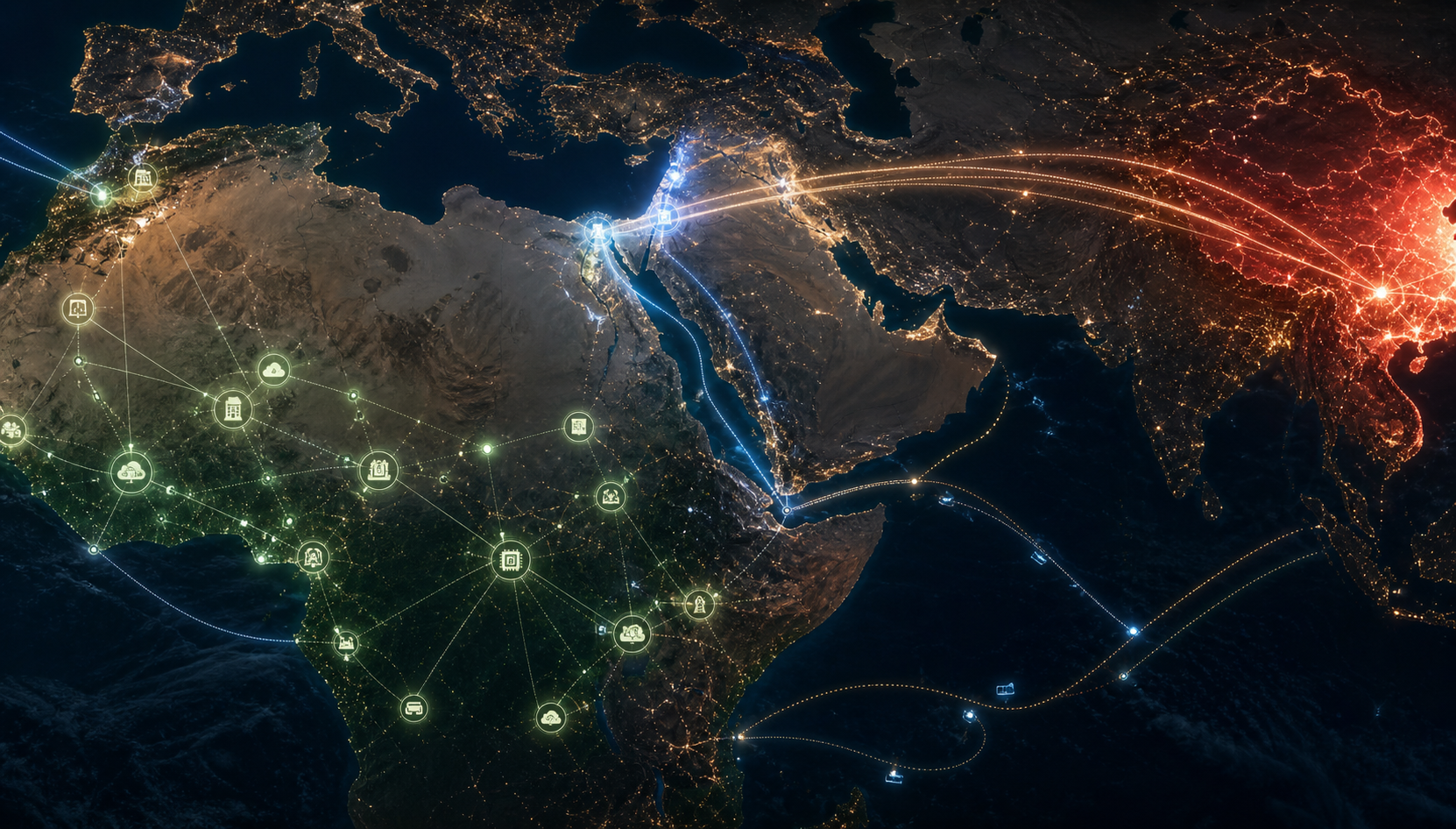
Ghana has begun documenting the losses suffered by its citizens during recent xenophobic attacks in South <a href="https://absafricatv9491.live-website.com/what-dangotes-new-refinery-means-for-east-africa/” title=”What Dangote's new refinery means for East Africa”>Africa as it prepares to pursue legal and diplomatic compensation, becoming the second African country in weeks to seek reparations from Pretoria over anti-foreigner violence.
Ghana becomes second African nation to demand legal compensation from South Africa following anti-foreigner violence
- Ghana is documenting losses suffered by its citizens during xenophobic attacks in South Africa to pursue legal and diplomatic compensation.
- The government has set up a register of claims for Ghanaians who lost businesses, investments, or property in the attacks.
- This move follows Nigeria’s recent decision to seek reparations from South Africa for similar violence against its nationals.
- Ghana has evacuated over 1,000 nationals and introduced reintegration packages including grants and employment support for returnees.
The move was announced by Ghana’s Minister for Foreign Affairs, Samuel Okudzeto Ablakwa, during a media briefing on the government’s response to the attacks, which have displaced hundreds of Ghanaians and strained diplomatic relations between the two countries.
Ablakwa said the government was establishing a register of claims to capture businesses, investments and other property destroyed during the violence, laying the groundwork for future compensation efforts.
DON’T MISS THIS:June 30: Nigeria to document millions in abandoned businesses, assets left by citizens returning from South Africa
“Since a number of the returning nationals were also deprived of their assets and property, the Government is establishing a register of claims that would enable the Ministry to pursue legal and diplomatic processes for compensation on behalf of affected Ghanaians who lost businesses, investments and other property during the xenophobic attacks,” he said.
Ghana’s move mirrors a similar approach taken by Nigeria earlier this month after anti-foreigner violence forced hundreds of Nigerians to flee South Africa.
The Nigerian government said it had begun compiling records of businesses, homes and other properties abandoned or destroyed during the attacks to support its request for compensation from Pretoria.
Ghana has evacuated over 1,000 nationals and introduced reintegration packages including grants and employment support for returnees.BI Africa
ADVERTISEMENT
The Nigerian government argued that victims whose livelihoods were wiped out deserved restitution and called on South African authorities to ensure those responsible were prosecuted.
South Africa, however, rejected Nigeria’s request for blanket compensation, maintaining that any claims would have to comply with the country’s legal framework and be backed by verifiable documentation.
The South African govenment also reiterated that it does not condone xenophobic violence, stressing that the attacks were criminal acts rather than government policy, while pledging to investigate the incidents and bring perpetrators to justice.
DON’T MISS THIS:South Africa’s bid to ease tensions with Nigeria faces setback as Tinubu reportedly declines meeting
Ghana’s latest move suggests Accra is pursuing a similar strategy, this time by creating an official database of losses before formally advancing legal and diplomatic claims.
The compensation initiative comes as Ghana broadens its response beyond evacuating stranded citizens.
According to the foreign minister, Ghana evacuated 926 nationals from Johannesburg during the first phase of its evacuation programme using three chartered flights. A second phase, which began on 26 July, is expected to cover another 1,000 Ghanaians, with 132 already repatriated and dozens more scheduled to return.
The government has also introduced a reintegration package for returnees, including a GHS5,000 grant, transport allowance, free national health insurance registration and employment support.
Officials said about 200 job opportunities have already been secured through partnerships with Ghanaian private-sector companies, while a multi-agency task force has begun assessing the skills and employment needs of returnees.
DON’T MISS THIS:South Africa turns to quiet diplomacy to repair strained Ghana relations after Ramaphosa visit delay
The latest unrest follows months of anti-foreigner campaigns in parts of South Africa, particularly in Durban, where groups such as March and March and Operation Dudula have been accused of intimidating African migrants, questioning people about their nationality and immigration status, and targeting foreign-owned businesses.
The violence has claimed the lives of at least two Ghanaian nationals while Nigeria has also mentioned some losses. Ghana says it continues to press South African authorities for transparent investigations and the prosecution of those responsible while also taking the matter to the continental stage.
Accra has petitioned the African Union to place xenophobic attacks in South Africa on its agenda and has secured ECOWAS backing, arguing that recurring violence against African migrants undermines regional integration and the goals of the African Continental Free Trade Area.







![The Top 5 Springboks Head Coaches of All Time [RANKED]](https://www.ruck.co.uk/wp-content/uploads/2025/10/f646b1b81c232c714f0c03544829471c_ARCH103120_00050778.webp "The Top 5 Springboks Head Coaches of All Time [RANKED]")