The International Organisation for Migration (IOM) has raised concern over the growing use of fake job offers and digital recruitment by criminal gangs to lure vulnerable people into human trafficking and online scam operations across West and Central Africa.
The organisation said traffickers are increasingly adapting their methods, exploiting migration routes, labour markets and online platforms to recruit victims into forced labour, sexual exploitation and criminal activities, including internet scams.
In a statement issued Tuesday in Dakar to commemorate the 2026 World Day Against Trafficking in Persons, themed “Trapped Behind the Scam,” IOM called for stronger regional cooperation and victim-centred interventions to tackle the evolving threat.
The agency noted that although trafficking into scam centres has received significant global attention, particularly in Asia, similar warning signs are becoming increasingly evident in West and Central Africa.
According to IOM, traffickers commonly use deceptive employment advertisements promising lucrative jobs abroad, only to subject victims to exploitation after arrival. Many victims are reportedly transported using tourist visas instead of work permits, have their travel documents confiscated, become trapped in debt bondage and are forced to repay inflated recruitment costs.
The organisation warned that shrinking funding for protection programmes could weaken efforts to identify victims early, provide safe alternatives and sustain cross-border cooperation needed to combat trafficking.
Syld trafficking in persons is changing rapidly, requiring governments and stakeholders to adapt their responses accordingly
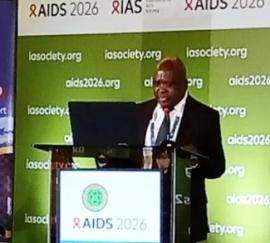
“Trafficking in persons is evolving in West and Central Africa, and our collective response must evolve with it,” Ekra said.
She stressed that victims should not be criminalised simply because they are forced into illegal activities.
“Whether a person is exploited in a household, on a farm, in a mine, on the street or behind a screen, they are victims of trafficking when coercion, deception or abuse are involved.
“People forced into scams or other criminal activity need protection, dignity and support, not stigma or punishment,” she added.
IOM disclosed that globally, hundreds of thousands of people have been trafficked into online scam operations after responding to fraudulent job advertisements, many of which are promoted through social media platforms.
Once recruited, victims are often confined in heavily guarded compounds, stripped of their identity documents, subjected to surveillance, threats, violence and debt bondage, and compelled to operate online fraud schemes.
The agency revealed that between January and 16 July 2026, it assisted 1,513 victims of trafficking across West and Central Africa, comprising 1,022 women and 491 men.
Women accounted for more than two-thirds of those assisted this year, reflecting persistent patterns of sexual exploitation, domestic servitude, forced marriage and labour exploitation.
However, IOM noted that men and boys are also increasingly targeted for forced labour, exploitative work in mining and agriculture, forced begging, recruitment scams and forced criminality.
The organisation further disclosed that it has assisted 12,308 victims of trafficking in West and Central Africa between 2017 and 2026, including 3,185 men.
According to the agency, trafficking involving West and Central African nationals is no longer limited to migration outside the continent.
Its data showed that four of the top ten destination countries for victims it assisted during the period were located within West and Central Africa, highlighting the growing scale of intra-African and intra-regional trafficking.
Ekra said trafficking networks now operate across borders, migration corridors, communities, digital platforms and labour markets, making coordinated regional responses indispensable.
“Trafficking networks operate across borders, corridors, communities, online spaces and labour markets. Protection cannot stop at one border or one point of return,” she said.
She explained that adopting a route-based approach would enable authorities and humanitarian agencies to identify and support victims at different stages of their journeys through legal aid, shelter, psychosocial care, referral mechanisms, safe return, reintegration and access to national protection systems.
Across West and Central Africa, IOM said it continues to work with governments, civil society organisations and local communities to strengthen protection mechanisms for trafficking victims and migrants in vulnerable situations.
The agency said its interventions include operating transit centres, providing protection screening, counselling, documentation support, assisted voluntary return and reintegration, and referring victims to healthcare, legal assistance and psychosocial services.
IOM further said it is addressing the root causes that traffickers exploit, including unemployment, poverty, social exclusion, limited access to education and skills, and the lack of safe and regular migration pathways.
The organisation also supports vocational training, entrepreneurship and livelihood programmes aimed at helping young people and returning migrants build sustainable futures and reduce their vulnerability to trafficking.
Working alongside schools, local authorities, media organisations, civil society groups and migrant networks, IOM said it is expanding awareness campaigns on deceptive recruitment practices, online scams, trafficking risks and irregular migration to help communities recognise warning signs and seek timely assistance.
The agency emphasised that in a region where migration plays a vital role in livelihoods, family connections and regional integration, combating trafficking must remain central to efforts to strengthen migration governance and protect vulnerable populations.
Join BusinessDay whatsapp Channel, to stay up to date