FIFA World CupAfricaCountriesLatest NewsMoroccoSpainWorld Football
Morocco and Lamine Yamal among main victims of online racism during 2026 World Cup
Morocco’s national team and its supporters were among the main targets of racist and xenophobic abuse on social media during the 2026 FIFA World Cup, according to a report released by Spain’s Observatory on Racism and Xenophobia (OBERAXE).
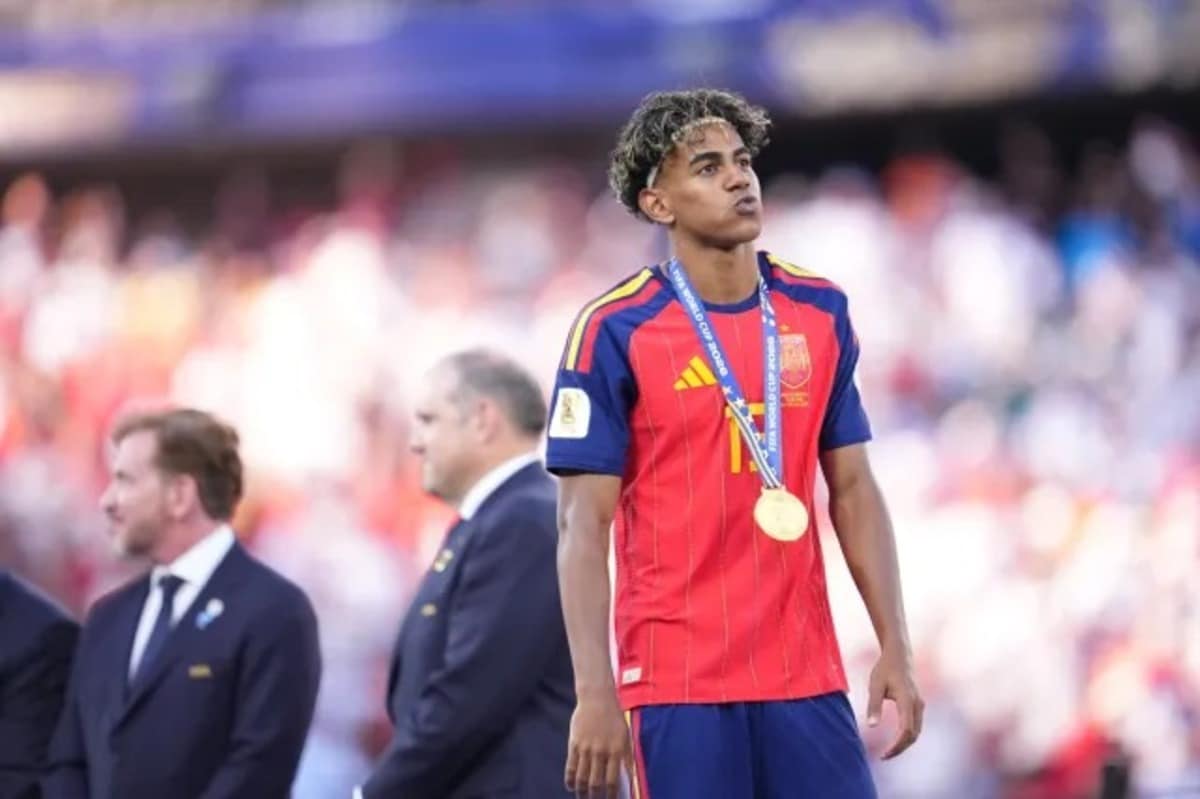
The report also identified Spain international Lamine Yamal as one of the footballers most affected by online hate, with much of the abuse linked to his Moroccan heritage and Muslim faith.
World Cup fuels surge in online hate
OBERAXE, which operates under Spain’s State Secretariat for Migration, recorded 54,771 pieces of racist and discriminatory online content between 11 June, when the World Cup began, and 21 July, following Spain’s title celebrations.
According to the report, 52% of all racist and xenophobic content detected during the monitoring period was linked to sport, a significant increase compared with previous months.
The observatory said the World Cup played a major role in driving the spike in discriminatory online discussions.
Morocco and North Africans most affected
The report found that people of North African origin accounted for 66% of all racist and xenophobic messages identified during the tournament.
OBERAXE said much of the abuse centred on Morocco’s national team and incidents involving its supporters, although it did not distinguish between attacks aimed at players, fans or North African communities more broadly.
The agency noted that the hostility went beyond football itself, reflecting wider racist and xenophobic attitudes expressed online.
Messages targeting Muslims made up 13% of the content analysed, with many promoting stereotypes, questioning Muslims’ place in European societies or encouraging exclusion based on religious identity.
Barcelona winger Lamine Yamal was singled out in the report as one of the players most heavily targeted by racist and Islamophobic abuse.
The Spain international, whose father is Moroccan and whose mother is from Equatorial Guinea, received messages questioning his right to represent Spain because of his family background and religious beliefs.
According to OBERAXE, the volume of abuse increased after Yamal scored his first goal of the World Cup in Spain’s 4-0 group-stage victory over Saudi Arabia on 21 June.
Following his goal, the teenager celebrated by performing sujud, the Islamic act of prostration in gratitude to God.
The observatory said the celebration prompted a wave of hostile posts containing racist insults and claims that he was unfit to represent the Spanish national team.
The report also highlighted an increase in discriminatory messages directed at Latin American communities, which accounted for 15% of the online hate speech recorded during the tournament, particularly around the World Cup final between Spain and Argentina.
France’s national team was also among those targeted, with several players facing abuse linked to their African family backgrounds.
OBERAXE said the findings illustrated how issues of nationality, ethnicity and identity became recurring themes in racist and xenophobic online discussions throughout the 2026 World Cup.