


Published in Nature Reviews Biodiversity, the study is described as the first comprehensive global assessment of migratory birds. It evaluates population trends, the principal threats facing migratory species and current conservation approaches, while setting out a framework for reversing declines.
The review was led by researchers from Georgetown University and <a href="https://nationalzoo.si.edu” rel=”nofollow noopener” target=”_blank”>Smithsonian’s National Zoo and Conservation Biology Institute, working with an international team of ornithologists that included scientists from the British Trust for Ornithology (BTO).
Researchers found that more than half of all migratory bird species are declining across every major flyway worldwide, including the African-Eurasian flyway used by species such as swallows and cuckoos as they migrate between Europe and Africa.
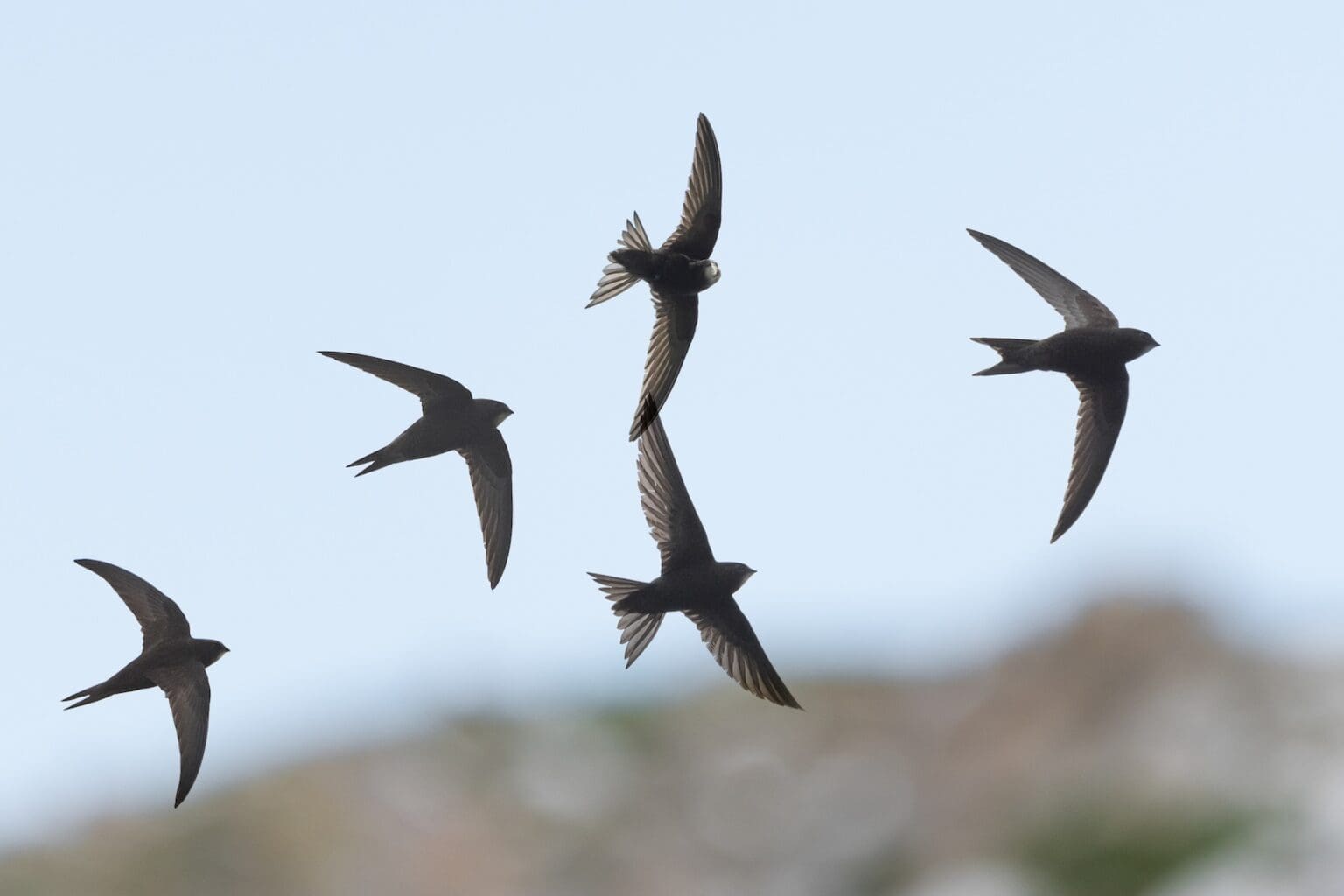
The findings reflect long-term declines recorded in the UK, where populations of migratory birds including turtle doves, swifts and nightingales have fallen significantly. The review identifies a range of pressures affecting migratory birds throughout their annual life cycle, including habitat loss, climate change and extreme weather, invasive species, pesticide use, disease, and collisions with buildings and infrastructure.
Prof Juliet Vickery, CEO of BTO said: “If any group of species remind us of the huge importance of working together to give our natural world a brighter future – it’s surely migrant birds. This paper was only possible through pooling insights and expertise right across the globe. What we need now is action at a similar scale to ensure these species continue to cross continents and connect communities for generations to come.”
The authors conclude that conservation measures need to address these threats across birds’ entire migratory routes rather than focusing on individual stages of their life cycle. They also note that local conservation remains important, with managed landscapes including farmland, woodland and urban green spaces providing breeding habitat for many migratory species in the UK.
Dr Nathan W. Cooper of Smithsonian’s National Zoo and Conservation Biology Institute and co-lead author of the study added, “Previous analyses have brought global attention to the fact that North American and European migratory birds are declining at alarming rates. But, until now, we did not have a good assessment about how birds are doing across all of the global terrestrial and marine flyways.”
Dr Chris Hewson, Senior Research Ecologist at BTO said, “Flyway scale collaborations are vital for understanding migratory behaviour of species, the causes of population decline and for planning conservation action to improve the population status of species.”
