

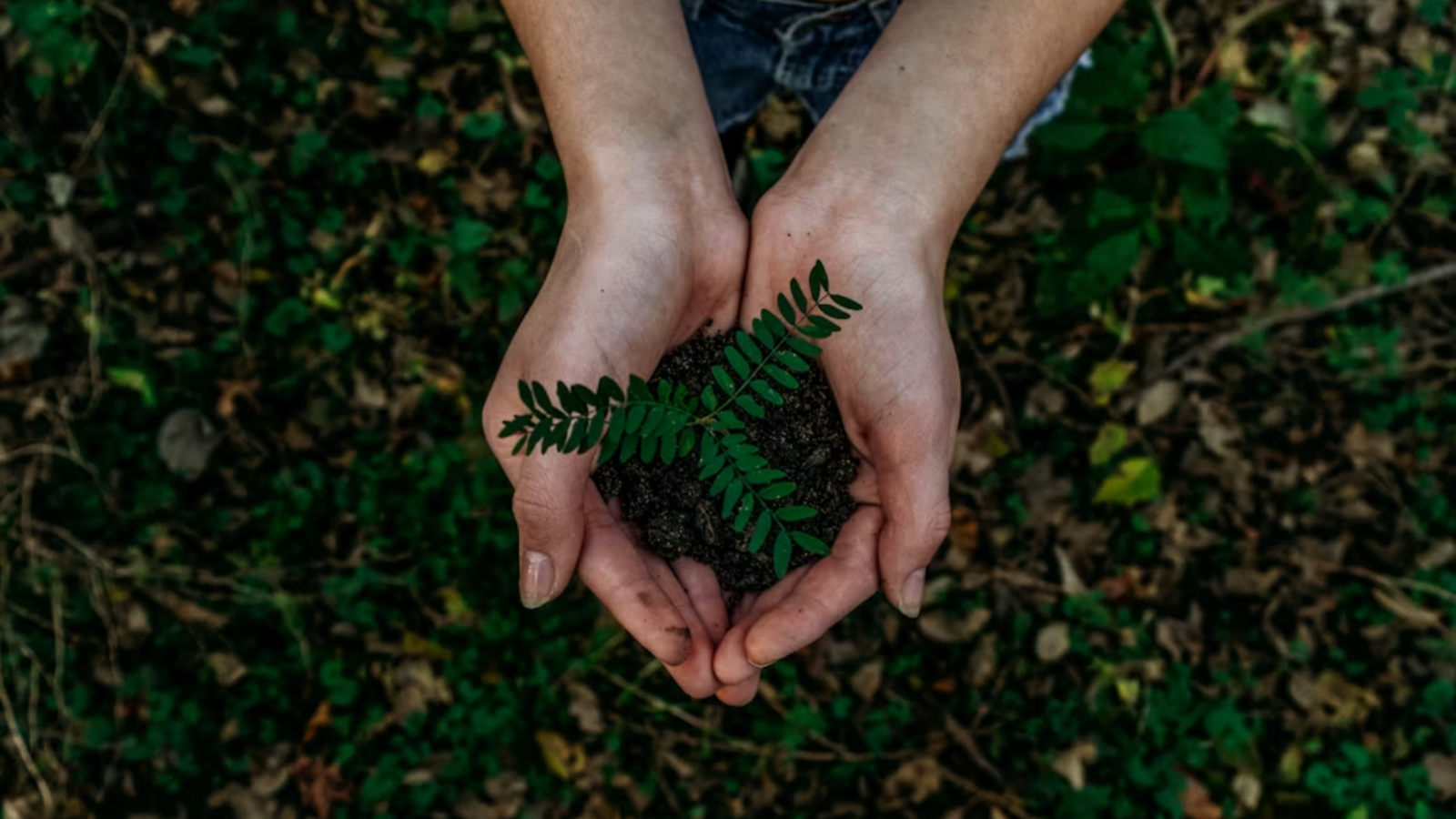
World Nature Conservation Day is celebrated on July 28. On this occasion, discover some of the world’s most unusual forests that you may not have known about.
- 1 / 7
Forests come in many forms — from underwater ecosystems and petrified woodlands to forests filled with dragon’s blood trees. On World Nature Conservation Day, discover some of the planet’s most unusual forests that showcase nature’s incredible diversity and remind us why conservation matters. (unsplash)
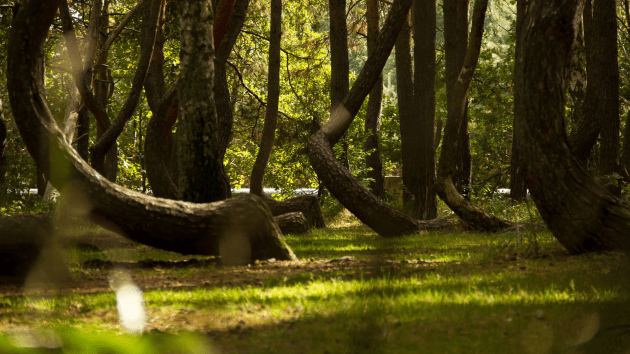
2 / 7Crooked Forest, Poland: Near the town of Gryfino lies the mysterious Crooked Forest, <a href="https://absafricatv9491.live-website.com/where-to-find-south-africas-stars-after-the-2026-world-cup/” title=”Where To Find South Africa's Stars After The 2026 World Cup”>where around 400 pine trees curve sharply at their bases before growing upright. The exact reason for their unusual shape remains a subject of debate. (wikimedia commons)
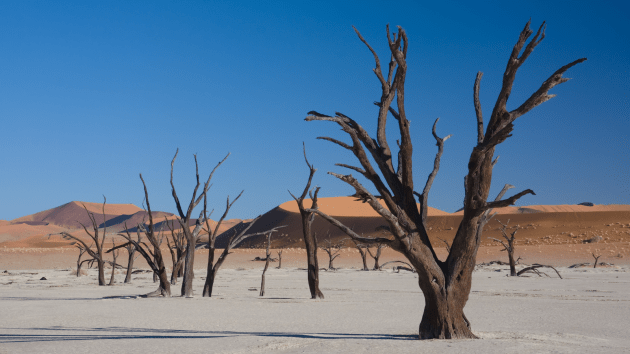
3 / 7Deadvlei Forest, Namibia: Nestled within the Namib Desert, Deadvlei is home to hundreds of blackened camel thorn trees that died around 600 years ago. The dry climate has preserved these skeletal trees, creating one of the world’s most surreal landscapes. (wikimedia commons)
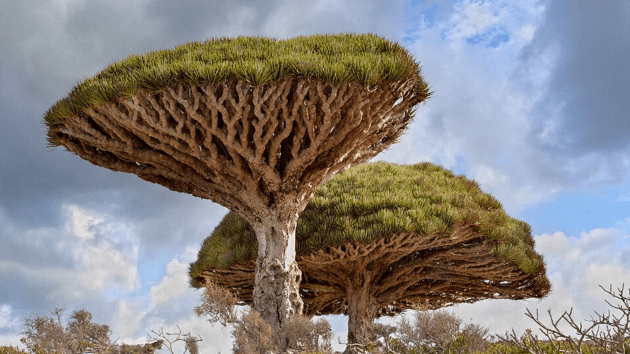
4 / 7Dragon’s Blood Forest, Yemen: Found on Socotra Island, this extraordinary forest is dominated by dragon’s blood trees, famous for their umbrella-shaped crowns and crimson sap. The island’s unique ecosystem has earned it the nickname “the Galápagos of the Indian Ocean.” (wikimedia commons)
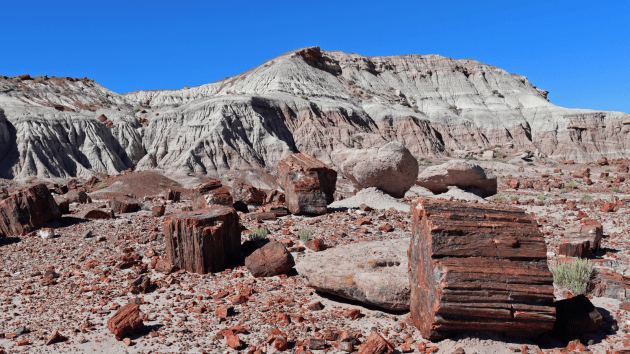
5 / 7Petrified Forest National Park, United States: Located in Arizona, this remarkable forest contains fossilized trees that lived more than 200 million years ago. Over time, minerals replaced the wood, transforming entire tree trunks into colourful stone. (wikimedia commons)
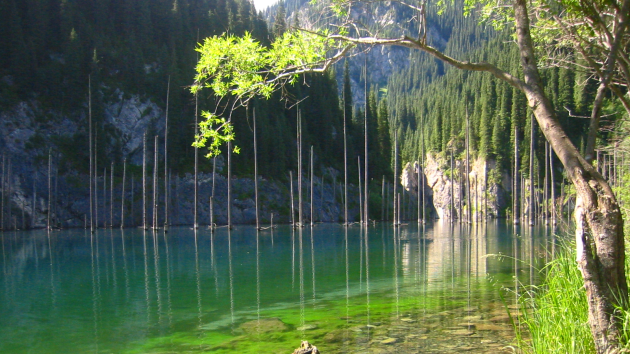
6 / 7Sunken Forest of Kaindy Lake, Kazakhstan: After an earthquake triggered a landslide in 1911, a forest was submerged beneath the waters of Kaindy Lake. The trunks of spruce trees still rise eerily from the lake’s surface, while their branches remain preserved underwater. (wikimedia commons)
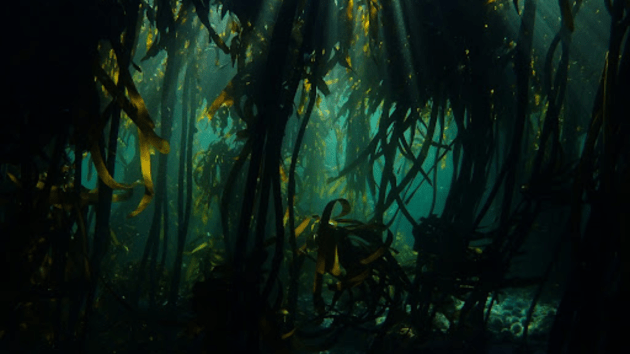
7 / 7Underwater Kelp Forests, South Africa: Unlike traditional forests, kelp forests grow beneath the ocean’s surface. Along South Africa’s coast, towering kelp creates a rich underwater habitat that supports fish, seals, sharks, and countless marine species, making it one of the planet’s most important ecosystems. (wikimedia commons)
