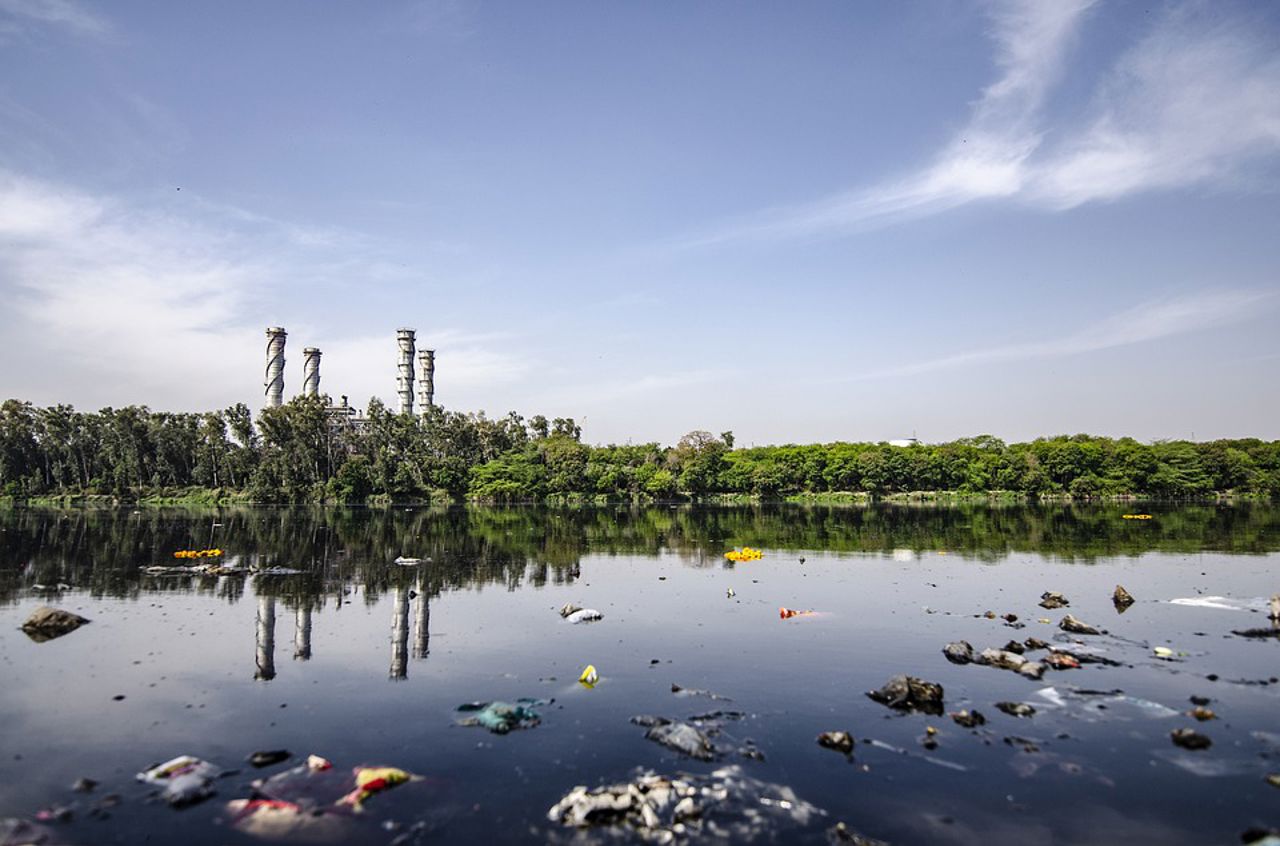
The Commission said wastewater pollution directly affects people’s constitutional rights to dignity and to an environment that is not harmful to their health or well-being.
- Law & Governance
Devdiscourse News Desk
| Pretoria | South Africa
The South African Human Rights Commission (SAHRC) has ordered the Buffalo City Metropolitan Municipality to submit an emergency intervention plan within 14 days after an investigation revealed serious wastewater pollution affecting rivers, estuaries and coastal waters in parts of the Eastern Cape.
The directive follows an extensive inquiry into failing wastewater infrastructure in Buffalo City, Nelson Mandela Bay Metropolitan Municipality and Kouga Local Municipality, where recurring sewage spills and water pollution have raised concerns about public health and environmental protection.
Investigation reveals severe contamination
The investigation was launched after the Commission received complaints, stakeholder submissions and repeated public reports about sewage leaks, deteriorating wastewater systems and pollution reaching rivers and beaches.
As part of the inquiry, the SAHRC commissioned an accredited laboratory to carry out independent water sampling, reviewed municipal monitoring records and oversight reports, examined available evidence and gave the affected municipalities an opportunity to respond before the final report was released.
The findings showed that while beaches such as Nahoon and Gonubie recorded relatively good microbiological water quality on the day of testing, other areas experienced serious pollution.
The most alarming results came from West Bank, where water samples recorded E. coli levels of 616,000 per 100 millilitres alongside almost complete oxygen depletion, indicating severe wastewater contamination.
Rights to health and a safe environment
It noted that the report does not classify every affected beach as permanently unsafe. Water quality can change quickly, making regular testing, timely public warnings and effective investigations into pollution
Municipal monitoring data also showed that treated wastewater discharged from the Jeffreys Bay and KwaNomzamo wastewater treatment works in Kouga failed to meet required standards. In Nelson Mandela Bay, testing carried out on 16 March 2026 found significantly elevated contamination levels at New Brighton and Hobie beaches.
Municipalities ordered to act
Along with the emergency intervention plan, Buffalo City has been instructed to conduct weekly water quality monitoring at West Bank until it can demonstrate sustained compliance with environmental standards.
Kouga and Nelson Mandela Bay have been directed to improve wastewater treatment operations, strengthen water quality monitoring, enhance public communication about health risks and implement corrective measures to reduce pollution.
The SAHRC has also called on the Department of Water and Sanitation, environmental authorities and the Eastern Cape provincial government to consider further regulatory, enforcement and oversight action where necessary.
All affected authorities must submit detailed implementation reports outlining budgets, responsible officials, timelines and evidence of progress.
The Commission stressed that planning documents and infrastructure projects alone are not enough, stating that true compliance will be measured by whether wastewater systems consistently prevent sewage from entering rivers, estuaries and coastal waters while protecting the health of surrounding communities.
READ MORE ON
Eastern CapePublic HealthSAHRCSewage SpillsKouga MunicipalityBeachesEnvironmental ProtectionNelson Mandela BayDepartment of Water and SanitationWater QualityBuffalo CityHuman RightsWastewater PollutionSouth Africa