Table of Contents
1. Senegalese president arrives in Bamako for high-stakes junta talks
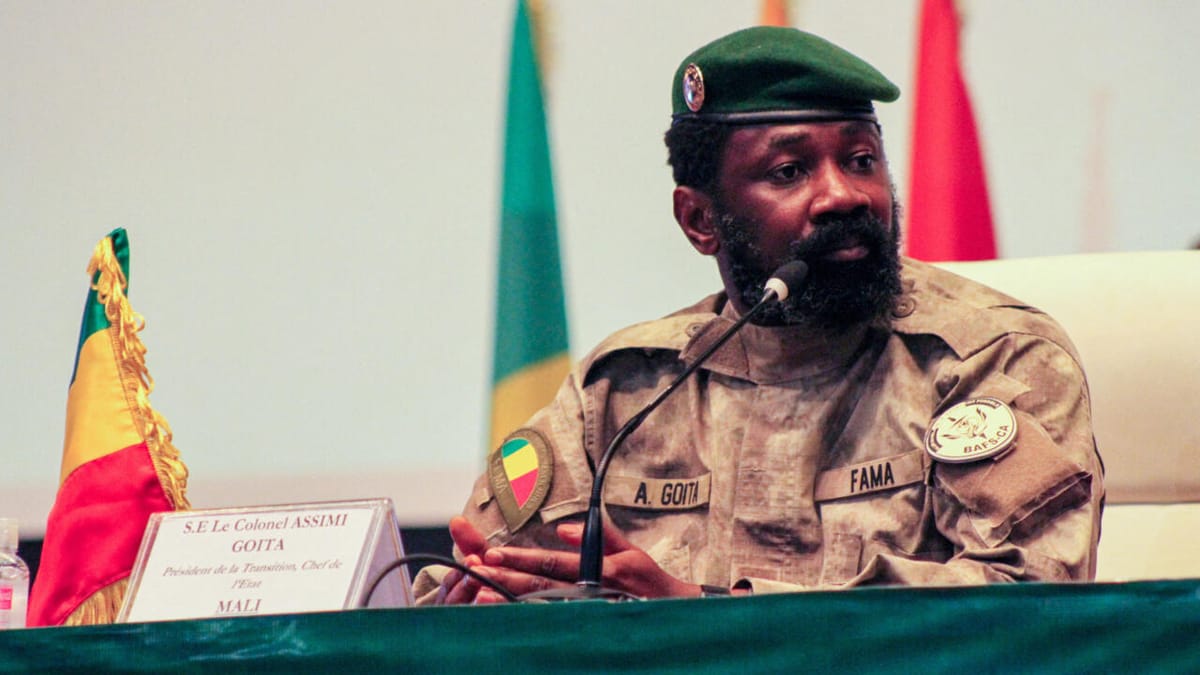
Senegal’s President Bassirou Diomaye Faye arrived in Bamako today to conduct talks with Malian junta leader Colonel Assimi Goïta. The bilateral discussions focus on regional security coordination and the diplomatic rift caused by Mali’s withdrawal from the Economic Community of West African States.
Why it matters:Faye is positioning Senegal as a pragmatic bridge between the Alliance of Sahel States and traditional West African bloc powers. The meeting reveals Bamako’s willingness to maintain discrete bilateral channels even as it rejects regional economic institutional oversight.
The Chadian government has formally announced plans to initiate process to pull out of the Rome Statute of the International Criminal Court. Officials cited perceived political bias and infringement on national sovereignty as the primary drivers behind the decision.
Why it matters:N’Djamena is insulating its executive leadership and military commanders from external legal accountability during a volatile domestic political transition. The step aligns Chad with a growing coalition of regional governments actively dismantling multilateral legal frameworks in favor of absolute state sovereignty.
3. Libya orders military units to expel armed protesters blocking gas facility
Libya’s unity administration ordered army forces to clear demonstrators occupying a major natural gas plant supplying domestic power and European export lines. The protest had threatened to cut off grid power to several Western cities and halt offshore maritime fuel shipments.
Why it matters:Tripoli cannot afford long-term energy disruptions when European buyers are actively paying top dollar for North African gas. Deploying troops demonstrates that the state considers energy infrastructure off-limits for political leverage.
4. Zambia aligns upcoming election campaign around debt restructuring and growth
Political parties in Zambia have formally centered their national campaign platforms on finalizing external debt restructuring and stabilizing the kwacha. Campaign manifestos focus on mining tax policies, inflation control, and sovereign credit recovery.
Why it matters:Voters are judging political parties primarily on real purchasing power and debt relief rather than ideological promises. The election outcome will directly determine whether Lusaka maintains its current fiscal discipline agreements with foreign bondholders.
5. DRC Ebola cases exceed 3,200 as outbreak threatens record surge
Health officials in the Democratic Republic of Congo report total Ebola cases in Eastern provinces have surpassed 3,200 individuals. Ongoing conflict and limited access to rural zones continue to hamper vaccination teams and containment efforts.
Why it matters:High transmission rates show how ongoing military insecurity in Eastern DRC directly destroys basic public health defense systems. Failure to contain the virus creates immediate, systemic biological spillover risks for neighboring East African trade corridors.
6. Nigerian law enforcement uncovers local meth labs operated by Mexican cartels
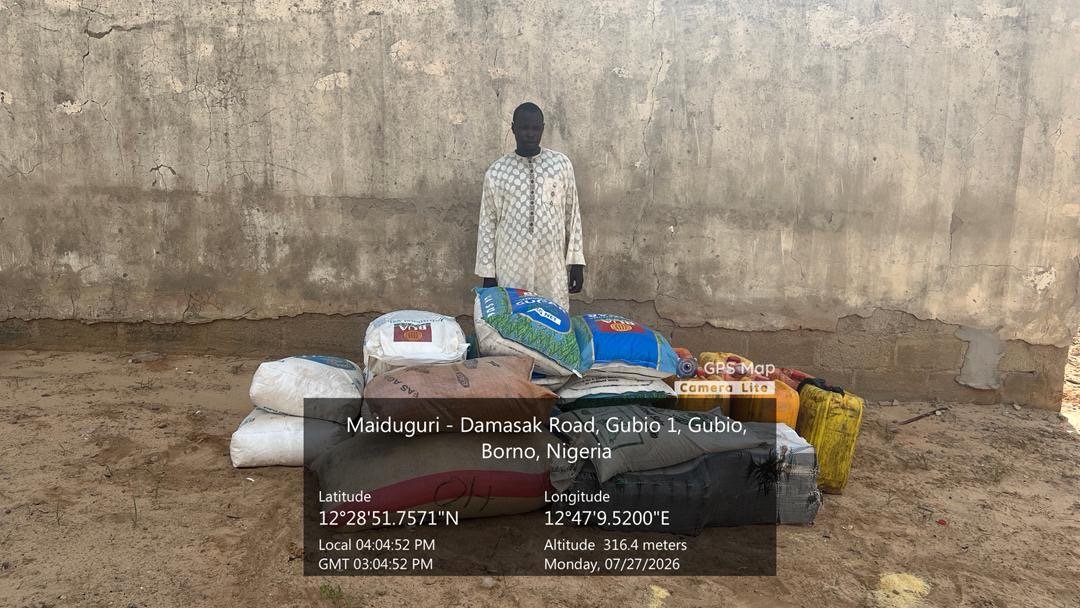
Nigerian security agencies disclosed operational details showing Mexican drug cartels providing technical expertise to set up industrial methamphetamine laboratories inside Nigeria. The transnational network leverages local precursor chemical access and established West African shipping channels.
Why it matters:Latin American criminal groups are expanding from transit trade into localized heavy production within West Africa. This transition transforms local security environments into high-value targets for transnational syndicate violence and deepens corruption within maritime law enforcement.
7. Uganda declared officially Ebola-free following 42-day clear window
The Ministry of Health of Uganda officially declared the end of the recent Ebola outbreak after completing 42 consecutive days without a single reported case. Rapid contact tracing, community monitoring, and swift isolation protocols stopped wider regional contagion.
Why it matters:Kampala has demonstrated that institutional memory and early field intervention can successfully halt lethal contagions without shutting down domestic commerce. This offers a clear operational model for neighboring states dealing with similar biological threats.
8. Nigeria’s inflation slowdown prompts central bank to hold monetary policy stance
The Central Bank of Nigeria opted to hold key interest rates steady following a minor decline in headline food inflation numbers. Regulatory leaders indicated they will maintain tight monetary conditions until exchange rate volatility stabilizes.
Why it matters:Policy makers are balancing the need to tame persistent price hikes against the risk of crushing domestic private sector borrowing. The hold indicates the central bank expects fiscal reform measures to do more heavy lifting in stabilizing the naira.
9. South Africa moves to reform energy grid access for private power developers
South Africa’s Department of Mineral Re allocation bottlenecks for private renewable energy suppliers. The policy aims to reduce bureaucratic delays for independent power producers connecting to the national grid
Why it matters:Unlocking private capital for clean energy generation is the onlywn national GDP. Removing state administrative barriers accelerates the transition away from failing state utility monopolies
10. Grandson of Idi Amin enters international boxing arena with Scottish title bid
Rasheed Amin, grandson of former Ugandan leader Idi Amin, announced a high-profile return to the boxing ring in Scotland aiming for a regional heavyweight belt. He highlighted his grandfather’s early athletic career as part of his motivation for entering the sport professionally.
Why it matters:The story illustrates how historical political legacies continue to shape diaspora narratives in international athletics and pop culture. It highlights the intersection of sports entertainment, family history, and diaspora identity.
Africa Today is The African Exponent’s daily briefing on the continent as it is. Summaries are written by our editors. Click through to the original