<a href="https://absafricatv9491.live-website.com/south-africa-zambia-exchange-military-nursing-students-under-bilateral-agreement/" title="South Africa, Zambia exchange military nursing students under bilateral agreement”>South Africa and Nigeria Strengthen Ties Through Migration Dialogue
President Tinubu responded by appointing a senior Nigerian delegation to hold structured discussions with the South African team.
- Country:
- South Africa
South Africa and Nigeria have renewed their commitment to closer cooperation on migration, governance, security and regional stability after senior officials from both countries held high-level diplomatic talks in Abuja. The discussions reflected a shared determination to address sensitive issues through dialogue while protecting the long-standing relationship between Africa’s two largest economies.
The engagement came as migration and border management continue to receive growing attention across the continent, with governments seeking coordinated solutions that improve public safety while protecting the rights of people moving across borders.
High-Level Talks Focus on Shared Priorities
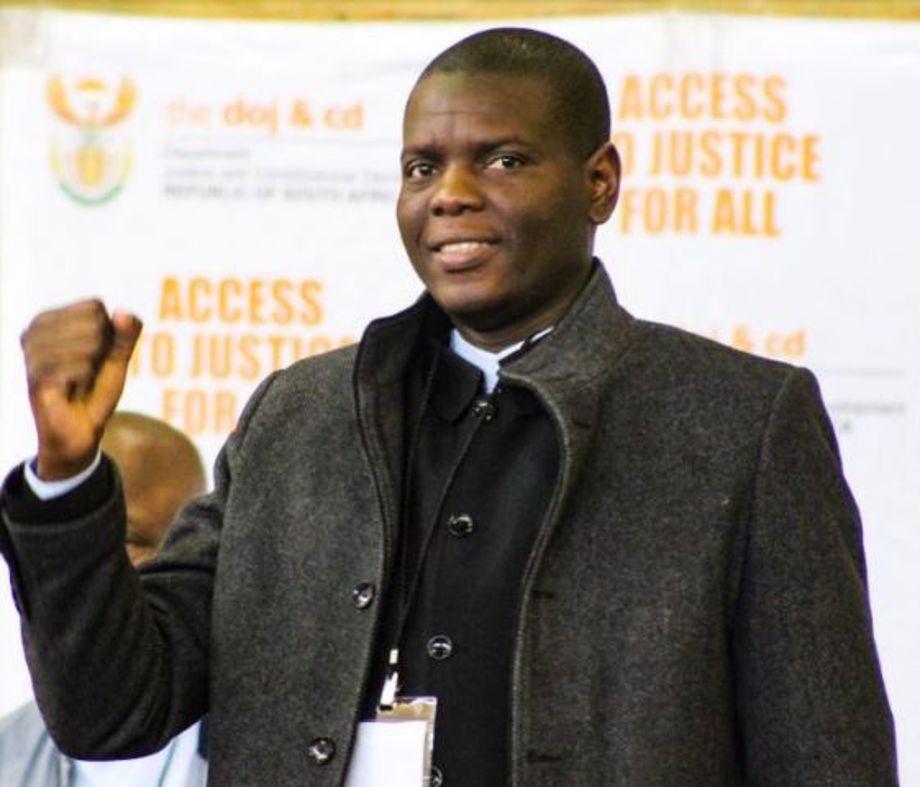
President Cyril Ramaphosa’s Special Envoy and Minister of International Relations and Cooperation, Ronald Lamola, travelled to Nigeria to deliver an official message from President Ramaphosa to President Bola Ahmed Tinubu.
President Tinubu responded by appointing a senior Nigerian delegation to hold structured discussions with the South African team. According to South Africa’s Department of International Relations and Cooperation (DIRCO), the meetings were open, constructive and focused on rebuilding confidence while strengthening cooperation between the two nations.
Both sides agreed that strong diplomatic engagement remains the best way to resolve difficult issues and preserve the close historical ties that have connected South Africa and Nigeria for decades.
Migration and Security Concerns Addressed
During the discussions, Lamola raised three issues that have contributed to recent tensions between the countries.
The first involved the reported installation of an unrecognised traditional ruler, described as an “Igbo King”, in South Africa’s Eastern Cape earlier this year. South Africa expressed concern because traditional leadership is recognised within the country’s constitutional framework.
The second issue focused on organised crime involving some foreign nationals, including Nigerian citizens. DIRCO said more than 500 Nigerian nationals had been processed through South Africa’s criminal justice system for various offences by 7 July 2026. Lamola said these figures highlighted the need for stronger cooperation between law enforcement agencies in both countries to combat cross-border crime.
The third concern centred on violent resistance faced by police during criminal investigations in hijacked residential and commercial buildings in areas such as Hillbrow in Johannesburg and Sunnyside in Pretoria. These locations have created security risks for both South African citizens and foreign nationals.
Commitment to Fair Justice and Human Rights
The delegations also discussed the handling of Nigerian nationals arrested in South Africa. Lamola stressed that law enforcement actions are based on evidence against individual suspects and are not directed at the wider Nigerian community living legally in the country.
The Nigerian delegation agreed that criminal offences should be dealt with firmly while emphasising that every detainee must receive constitutional due process, fair trial protections and humane treatment.
South Africa also reaffirmed its opposition to xenophobia, racism and every form of discrimination. Lamola said criminal activity would continue to be addressed through lawful policing while warning that no one should take the law into their own hands or target foreign nationals through violence or intimidation.
Stronger Partnership for Regional Stability
The two governments agreed that migration, security and governance challenges require continued cooperation rather than confrontation. They reaffirmed that diplomatic engagement, institutional partnerships and Pan-African solidarity provide the strongest foundation for protecting human rights, improving public safety and strengthening relations between South Africa and Nigeria.