

How the Reserve Bank’s Decision Could Shape Inflation, Growth, and Everyday Financial Pressure”
“Understanding the Impact of Stable Interest Rates on South African Households and Businesses”
“Why South Africa’s Monetary Policy Decision Matters for the Future of the Economy”
“Balancing Inflation Control and Economic Growth in a Challenging Financial Environment”
“The Economic Story Behind South Africa’s Decision to Keep Borrowing Costs Unchanged”
BySagheen KhanPublished 31 minutes ago•3 min read
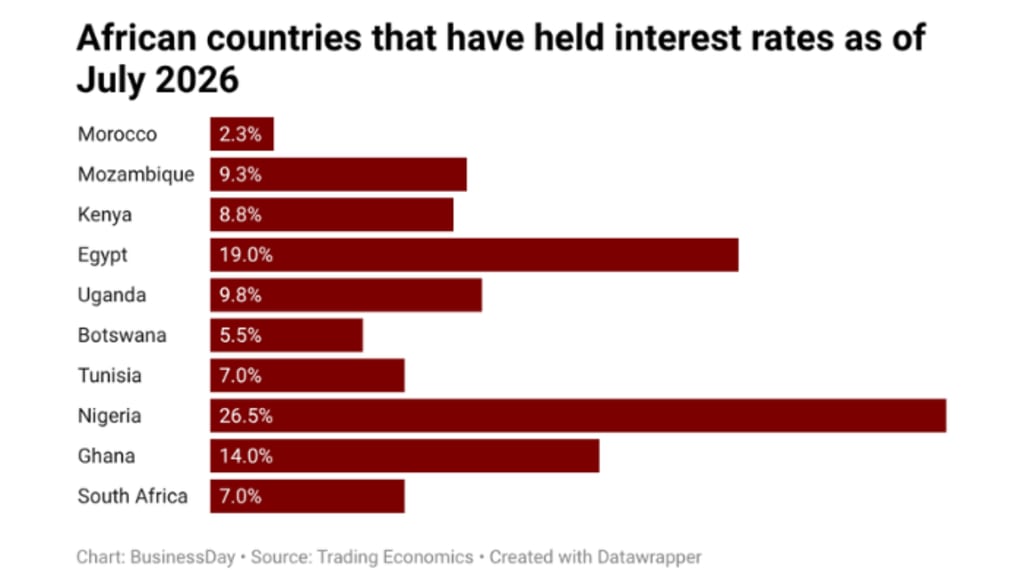
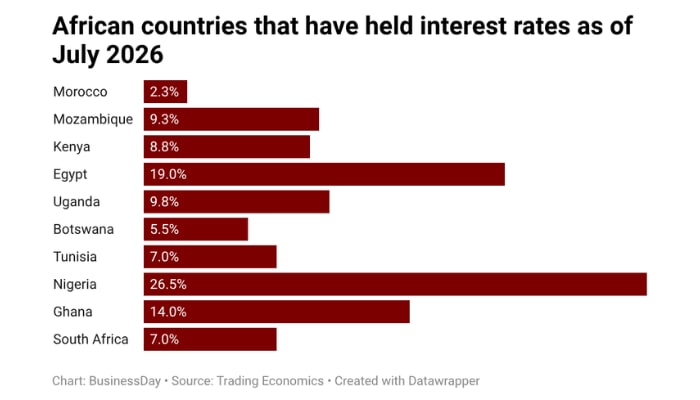
South Africa’s decision to keep interest rates unchanged has drawn attention from economists, businesses, investors, and ordinary households across the country. The move reflects a careful balancing act by the South African Reserve Bank (SARB), which must manage inflation pressures while also supporting economic growth in a challenging global environment.
Interest rates are among the most powerful tools available to a central bank. By adjusting borrowing costs, policymakers influence consumer spending, business investment, inflation, and the overall pace of economic activity. When rates remain high, loans become more expensive, which can slow demand and help control rising prices. When rates are reduced, borrowing becomes cheaper, potentially encouraging economic growth.
The decision to hold rates steady signals that policymakers believe current conditions require patience. Inflation trends, currency movements, global economic uncertainty, and domestic challenges all play a role in determining whether interest rates should rise, fall, or remain unchanged.
For millions of South African households, interest rates have a direct impact on daily financial pressure. Homeowners with mortgage repayments, vehicle owners with financing agreements, and individuals with personal loans closely follow every announcement from the Reserve Bank. A stable interest-rate environment can provide some financial certainty, allowing families to better plan their monthly expenses.
However, many consumers continue to face economic challenges. Rising living costs, unemployment concerns, and household debt remain important issues. Even when inflation slows, many families may still feel pressure because prices for essential goods and services remain higher than in previous years.
Businesses are also closely watching interest-rate decisions. Companies often rely on borrowing to expand operations, purchase equipment, or invest in new projects. Higher interest rates can increase business costs and discourage investment, while lower rates can create opportunities for expansion. A stable rate environment may allow companies to plan with greater confidence, although broader economic conditions remain a major factor.
The South African economy has faced several obstacles, including slow growth, infrastructure challenges, energy supply problems, and global market uncertainty. These factors have influenced economic performance and shaped monetary policy discussions. Policymakers must consider not only inflation but also the need to create conditions that support sustainable growth.
The global economic environment also plays an important role. South Africa is connected to international markets, meaning decisions by major central banks around the world can influence local conditions. Changes in global interest rates, commodity prices, and investor confidence can affect the South African rand and the cost of imports.
Currency stability is particularly important because exchange-rate movements can influence inflation. A weaker rand can make imported goods more expensive, potentially increasing price pressures. The Reserve Bank therefore monitors international developments carefully when making decisions about monetary policy.
For investors, interest-rate stability can provide a clearer picture of future economic conditions. Financial markets often react strongly to central bank announcements because interest rates influence investment returns, currency values, and business expectations. A predictable policy approach can help maintain confidence among local and international investors.
The decision also carries political and social significance. Economic issues often become part of wider national discussions, especially when citizens are experiencing financial difficulties. While central banks operate independently, their decisions have consequences that affect employment, household budgets, and economic opportunities.
Analysts continue to debate the best approach for South Africa’s monetary policy. Some argue that maintaining higher rates is necessary to ensure inflation remains under control, while others believe lower rates could provide much-needed support for economic growth and struggling consumers.
The challenge for policymakers is finding the right balance. Cutting rates too quickly could create new inflation risks, while keeping rates high for too long could weaken economic activity. The Reserve Bank must carefully evaluate incoming economic data before making future decisions.
Looking ahead, the direction of interest rates will depend on several factors. Inflation trends, economic growth figures, global financial conditions, and domestic reforms will all influence future policy choices. If inflation continues moving toward the central bank’s target range and economic conditions improve, there may be greater room for adjustments in the future.
For South African citizens, the most important issue is how monetary policy affects real-life conditions. Interest rates are not just financial statistics; they influence mortgage payments, business decisions, job opportunities, and the cost of everyday life.
The decision to hold interest rates steady represents caution during a period of uncertainty. It reflects an effort to maintain economic stability while monitoring risks that could affect inflation and growth. As South Africa continues to navigate economic challenges, interest-rate policy will remain a key factor shaping the country’s financial future.
Ultimately, the success of this approach will depend on whether it helps create a stable environment where businesses can grow, households can manage expenses, and the broader economy can move toward stronger and more sustainable development
