

DH <a href="https://absafricatv9491.live-website.com/nvidia-launches-open-secure-ai-alliance-to-develop-open-ai-security-tools/” title=”Nvidia launches Open Secure AI Alliance to develop open AI security tools”>launches Annual Training Programme on Tobacco Control 2026, featuring optimised curriculum structure and record number of registrants from WHO Western Pacific Region
The Tobacco and Alcohol Control Office (TACO) of the Department of Health (DH) today (July 28) officially launched its Annual Training Programme on Tobacco Control 2026, which is designed specifically for tobacco control professionals in the World Health Organization (WHO) Western Pacific Region. TACO optimised the Programme’s curriculum this year, attracting over 900 tobacco control professionals from various countries and regions, setting a new record for registrations.
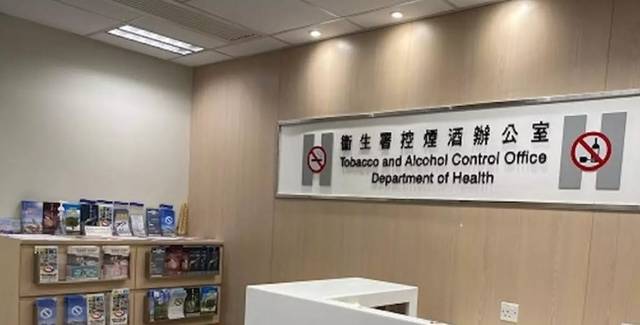
The Tobacco and Alcohol Control Office of the Department of Health, Photo
In April 2012, the DH was designated by the WHO to establish the WHO Collaborating Centre for Smoking Cessation and Treatment of Tobacco Dependence in Hong Kong, China, to serve as a regional hub that supports tobacco control and smoking cessation training for other member countries and regions within the Western Pacific Region.
“This year’s Programme takes the form of webinars. Starting from today, one session will be held each month until November. Over 900 tobacco control professionals from the Chinese Mainland, Hong Kong Special Administrative Region (SAR), Macao SAR, Japan, Laos, the Marshall Islands, Micronesia, Mongolia, Palau, the Philippines and the Solomon Islands are participating. Previously, the Programme consisted of short-term in-person or online courses lasting five consecutive days. In response to the participants’ feedback and needs, we have further optimised the curriculum structure this year by organising five webinars over five months to provide greater flexibility, making it easier for interested tobacco control professionals from various regions to participate. The response to this new model has been excellent, with the number of registrants far exceeding previous years,” saidthe Head of TACO, Dr Manny Lam.
The Programme is structured according to the core pillars of tobacco control introduced by the WHO. Over 10 overseas and local experts were invited to share their knowledge and valuable practical experiences in tobacco control, enabling participants to master techniques and strategies in tobacco control-related areas such as policies, legislation, law enforcement, health economics, publicity and advocacy, as well as the development of smoking cessation services and assessments to a further extent. Through this systematic training, participants will be equipped with the knowledge necessary to formulate comprehensive strategies to control the tobacco epidemic and counter emerging threats, and to plan tobacco control measures in a more forward-looking manner. The Programme also facilitates experience sharing in the region, enhancing the effectiveness of tobacco control efforts in the Western Pacific Region and collectively safeguarding public health.
The Technical Lead for Tobacco-Free Initiatives at the WHO’s Regional Office for the Western Pacific, Ms Mina Kashiwabara, welcomed the active participation of the Western Pacific Region. She said, “Every new participant strengthens our collective capacity to protect current and future generations from the harms of tobacco use and nicotine addiction.”
In addition to regularly organising the Programme, TACO also provides comprehensive smoking cessation training courses annually for healthcare professionals in the Chinese Mainland, Hong Kong SAR and Macao SAR to enhance their capabilities in providing counselling and treatment for tobacco dependence. Furthermore, TACO organises annual training courses on Chinese medicine acupuncture to help frontline Chinese medicine practitioners from the three areas further improve their knowledge and skills in smoking cessation. The DH has also prepared a variety of resources for healthcare professionals, including patient pamphlets, referral forms to cessation clinics, “Very Brief Advice” and “Brief Intervention on Smoking Cessation” delivery toolkits, online training courses, and a Practical Handbook for Smoking Cessation Treatments. These resources are designed to support healthcare professionals in helping smokers quit through various channels. Relevant information has been uploaded to TACO’swebsite.
Members of the public can call 1833 183 or visit the smoking cessation thematic website for more information on quitting smoking, and the available support tools and services.
