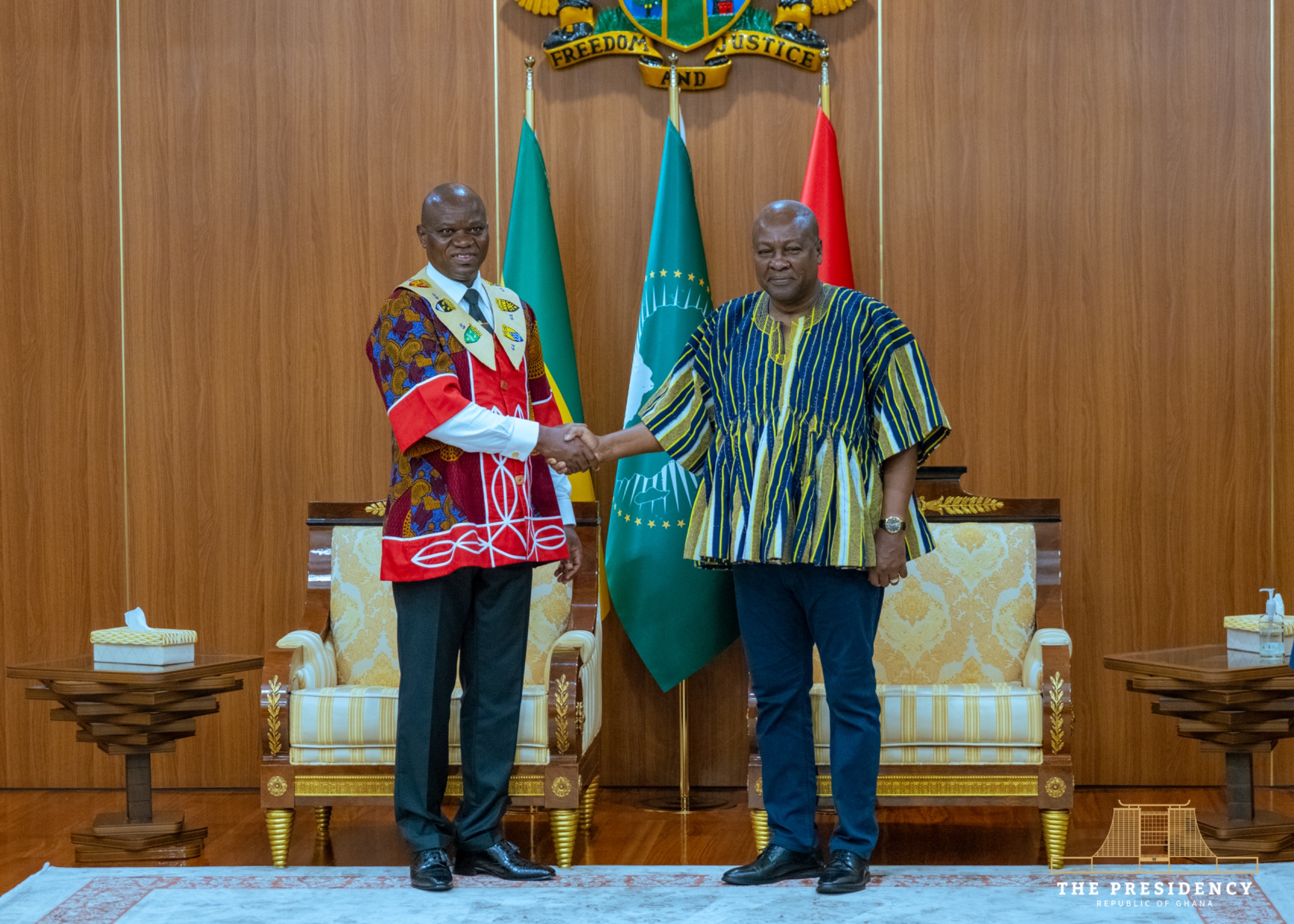
On 21 and 22 July, Heads of State and Government met in Accra for the African Union’s 20th Extraordinary Session of the Assembly, convened to confront AIDS, tuberculosis and malaria alongside preventable maternal deaths and the continent’s rising burden of non-communicable and neglected tropical diseases. President John Dramani Mahama of Ghana hosted, alongside AU Chairperson President Évariste Ndayishimiye of Burundi, President Romuald Wadagni of Benin and President Samia Suluhu Hassan of Tanzania, with WHO’s Dr. Tedros Adhanom Ghebreyesus, UNAIDS’s Dr. Winnie Byanyima, Africa CDC’s Dr. Jean Kaseya and the African Development Bank’s Sidi Ould Tah among the partners in the room. What is worth noticing before the substance: a summit organized around ending AIDS carried preventable maternal deaths in its title on equal footing, a signal of how far the disease-specific framing of the last decade has shifted.
PMNCH attended the Summit and its asks were direct: keep women’s, children’s and adolescents’ health a sustained priority rather than a side conversation; ensure integration instead of running parallel health programmes; secure increased and sustained investment; open real space for communities and civil society organizations in the processes that decide these commitments; and push for accountability mechanisms that make sure what gets declared in Accra gets delivered afterward. Here is what the Declaration on the Implementation of the AU Roadmap to 2030 and Beyond actually commits Member States to on each of those fronts, and why it matters for people who were not in the room.
African leaders and health partners convene at the African Union’s Extraordinary Summit on Health in Accra, Ghana, to advance commitments on AIDS, tuberculosis, malaria, maternal and child health, and other pressing health priorities.
Integration, not parallel tracks
The Declaration’s clearest shift is operative paragraph 7, where leaders commit to fully integrating HIV, tuberculosis, viral hepatitis, cervical cancer, mental health conditions, non-communicable diseases and maternal and neonatal death reduction within primary health care and Universal Health Coverage service packages, rather than treating them as separate, vertically funded programs. Embedded in that same paragraph is a commitment to the triple elimination of mother-to-child transmission, meaning HIV, syphilis and hepatitis B addressed together through one antenatal touchpoint rather than three separate systems. For countries that have spent two decades building disease-specific HIV and TB infrastructure alongside a chronically underfunded maternal health system, a continental declaration formally committing to merge these into one integrated service package is a meaningful change in direction, not a rhetorical add-on.
Maternal, newborn, child and youth health inside UHC
Operative paragraph 14 reaffirms the Maputo Plan of Action on Sexual and Reproductive Health and Rights and the AU Roadmap on Harnessing the Demographic Dividend, and commits specifically to integrating maternal, newborn, child and youth health within Universal Health Coverage. Paired with paragraph 4’s commitment to remove structural, financial and geographic barriers to care for women, adolescents and children, this gives WCAH a textual anchor inside the UHC agenda rather than leaving it to be advocated for separately at every future summit.
Financing that has to reach maternal and child health, not just AIDS
Because the Roadmap now spans AIDS, TB, malaria, maternal and child health, NCDs and NTDs as one framework, the financing commitments apply across all of it. Leaders reaffirmed the Abuja Declaration’s 15 percent domestic health financing target, and pledged to expand regional manufacturing and pooled procurement of medicines, vaccines and diagnostics under paragraph 9. In practice, that means the same domestic resource mobilization and manufacturing push applies to oxytocin, contraceptives and pediatric formulations as it does to antiretrovirals, rather than maternal and child health commodities competing for what remains after AIDS financing is set.
An accountability mechanism with a name and a date
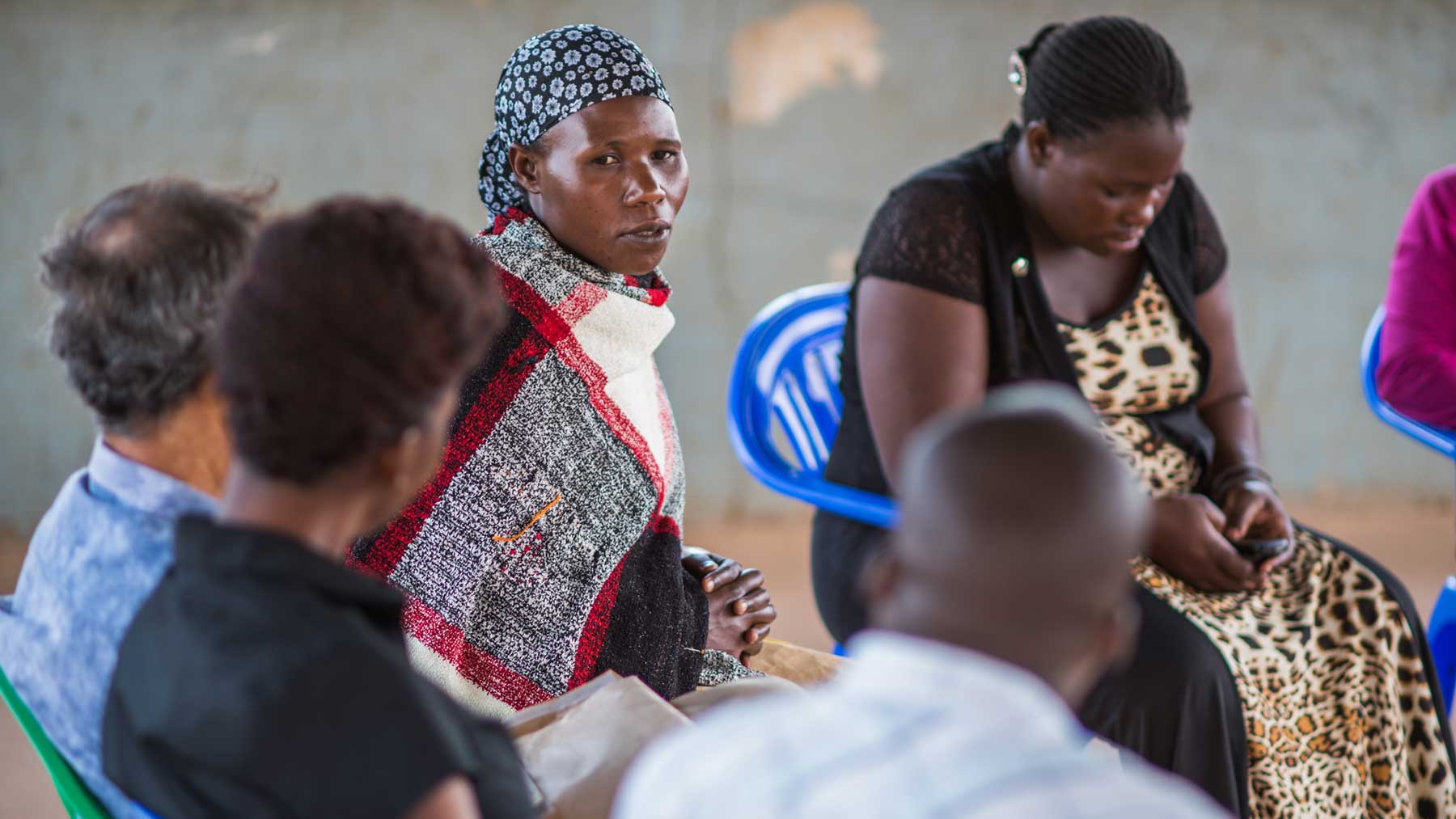
Paragraph 17 directs the African Union Commission, AUDA-NEPAD, Africa CDC and the African Medicines Agency to build a Continental Monitoring, Reporting and Accountability Framework and to submit an annual accountability scorecard to the Assembly, with Member States required to submit their own progress reports for peer review. Paragraph 3 also commits to reinforcing community engagement and participation, and paragraph 8 commits to fully integrating and sustainably financing community health workers as members of national health systems, rather than leaving them as an informal, unpaid layer of the response. Together, these give PMNCH’s community engagement and accountability asks a concrete mechanism to hold governments to, with a yearly reporting cycle rather than a promise revisited only at the next summit.
Taken together, what changed in Accra is not a new disease target or a new sum of money pledged on the day. It is that maternal, newborn, child and adolescent health moved from being adjacent to the continent’s AIDS, TB and NCD agenda to being formally integrated within it, with financing, workforce and accountability commitments that apply across the whole of it rather than to AIDS alone. For PMNCH and its partners, the work now is making sure paragraph 7’s integration commitment and paragraph 17’s scorecard are not just declared but actually tracked, country by country, in the years between now and 2030.
Read the Accra Draft Declaration On The Implementation Of The AU Roadmap To 2030 And Beyond