Close Menu
    Facebook X (Twitter) Instagram
    • Home
    • Contact Us
    • About Us
    • Privacy Policy
    • Terms Of Service
    • Advertisement
    Wednesday, July 29
    Facebook X (Twitter) Instagram Pinterest Vimeo
    ABS Africa TV
    • Breaking News
    • Trending
    • Africa News
    • World News
    • Features
    • Technology
    • Sports
    • Politics
    • More
      • Culture
      • Lifestyle
      • Travel
      • Business
      • Environment
      • Legal
      • Health
      • Cameroon
      • Ambazonia
      • AfroSingles
      • Environ/Climate
      • Editorial
      • The Leak Magazine
    • Donate
    Subscription
    ABS Africa TV
    Home»Features»WHO recommends new, improved treatment for Kal
    Features

    WHO recommends new, improved treatment for Kal

    Billy JohnsonBy Billy JohnsonJuly 29, 2026No Comments3 Mins Read
    Facebook Twitter Pinterest LinkedIn Tumblr Email
    WHO recommends new, improved treatment for Kal
    Share
    Facebook Twitter LinkedIn Pinterest Email
    Post Views: 18

    The World Health Organization (WHO) has released new recommendations on the treatment of Leishmaniasis in East Africa and South-East Asia, marking a significant change to its treatment guidelines for Visceral Leishmaniasis (VL), popularly known as Kala-azar and post-kala-azar dermal leishmaniasis (PKDL).

    In a statement released on Monday, WHO described Kala-azar as the world’s deadliest parasitic killer after malaria, which is transmitted through the bite of an infected sandfly. WHO revealed that the disease is endemic in 80 countries, with only 25% to 45 percent of over 50,000 cases reported to them.

    The evidence behind these new guidelines came from clinical trials, including those conducted at Kacheliba Sub-County Hospital in Kenya led by the Drugs for Neglected Diseases initiative (DNDi) in partnership with the Ministry of Health and other partners. Trials were also conducted in Uganda, Ethiopia, and South Sudan.

    According to the organisation, high fever, weight loss, anaemia, spleen and liver enlargement are some of the symptoms of Kal-azar which may lead to death if not treated.

    The updated guidelines include alternative, shorter and safe treatment of primary VL in East Africa, relapse management in immunocompetent VL patients in South-East Asia and an update to the safety profile of miltefosine, incorporating the recommendations of the WHO Advisory Committee on the safety of Medicinal products, also providing allometric dosing for miltefosine.

    “For a long time, treatment in Africa relied on an injectable drug called sodium stibogluconate (SSG), which requires lengthy treatments and painful daily injections and caused severe side effects.” read the statement in part.

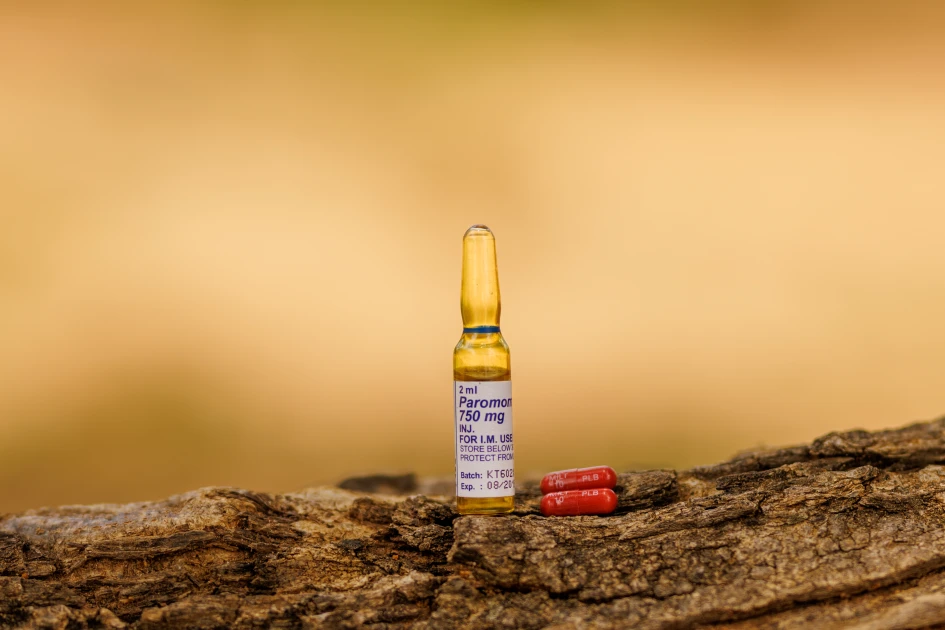
    The WHO has noted that it is the first time to recommend SSG-free regimen; however, it remains in use for patients who are not eligible for the newly recommended treatment options. In East Africa, WHO has advised the use of an oral drug, miltefosine, for the treatment of both VL and PKDL in combination with paromomycin injection.

    However, in South East Asia, shorter combination therapies using liposomal amphotericin B infusion alone or in combination with oral miltefosine are recommended for PKDL patients. The new VL treatment in East Africa is given over 14 days with one injection and less toxicity compared to the current administration of two injections over 17 days.

    WHO now believes that the new recommendations will replace the lengthy and cumbersome treatments for chronic PKDL  that took over 30 days with toxic sodium stibogluconate and over 20 days with liposomal amphotericin, offering relief to the patients.

    Leishmaniasis is a treatable and curable disease whose treatment depends upon several factors including the type of disease (clinical form), immune status of the patient, species of parasite causing it, concomitant pathologies and geographic location.

    improved recommends treatment
    Share. Facebook Twitter Pinterest LinkedIn Tumblr Email
    Billy Johnson
    • Website

    Related Posts

    Did violent volcanic eruptions create modern humans? A landmark 2016 study linking the East African Rift Valley to Homo sapiens around 300,000 years ago says they may have

    July 29, 2026

    Innovation Meets Heritage in West African Contemporary Artists’ Masquerade Ensembles

    July 29, 2026

    Europe & Africa Fuel Availability Outlook 29 July

    July 29, 2026
    Leave A Reply Cancel Reply

    Search
    Latest Post

    Formula One season to end in Europe if no Middle East races: F1 CEO

    July 29, 2026

    Russia accuses Telegram founder of aiding terrorism in its latest online crackdown

    July 29, 2026

    Did violent volcanic eruptions create modern humans? A landmark 2016 study linking the East African Rift Valley to Homo sapiens around 300,000 years ago says they may have

    July 29, 2026

    FAO Urges Early Action as Strong El Niño Threatens Africa’s Food Security

    July 29, 2026

    Deadly multi-vehicle crash on N2 at Eastern Cape’s Gamtoos Hill

    July 29, 2026

    Subscribe to Updates

    Get the latest creative news from FooBar about art, design and business.

    • Facebook
    • Twitter
    • Pinterest
    • Instagram
    • YouTube
    • TikTok
    ABS TV and ABS Network News is a leading Pan-African 24/7 broadcasting network delivering nonstop news, talk shows, lifestyle programs, and digital media content worldwide through Satellite, Streaming Platforms, and Roku TV.
     
    Based in the United States, we connect Africa to the world while empowering creators, journalists, and brands through innovative media and broadcasting services.
    Facebook X (Twitter) Pinterest WhatsApp Instagram

    Our Picks

    World News

    Formula One season to end in Europe if no Middle East races: F1 CEO

    Russia accuses Telegram founder of aiding terrorism in its latest online crackdown

    Features

    Did violent volcanic eruptions create modern humans? A landmark 2016 study linking the East African Rift Valley to Homo sapiens around 300,000 years ago says they may have

    Most Popular

    Trending

    FAO Urges Early Action as Strong El Niño Threatens Africa’s Food Security

    Breaking News

    Deadly multi-vehicle crash on N2 at Eastern Cape’s Gamtoos Hill

    Environment

    Conservation organisation warns that key sites including world heritage sites are at risk

    © 2026 Copyright. All Rights Reserved by ABSAFRICATV
    • Privacy Policy
    • Terms of Services

    Type above and press Enter to search. Press Esc to cancel.

    We use cookies to ensure that we give you the best experience on our website. If you continue to use this site we will assume that you are happy with it.