

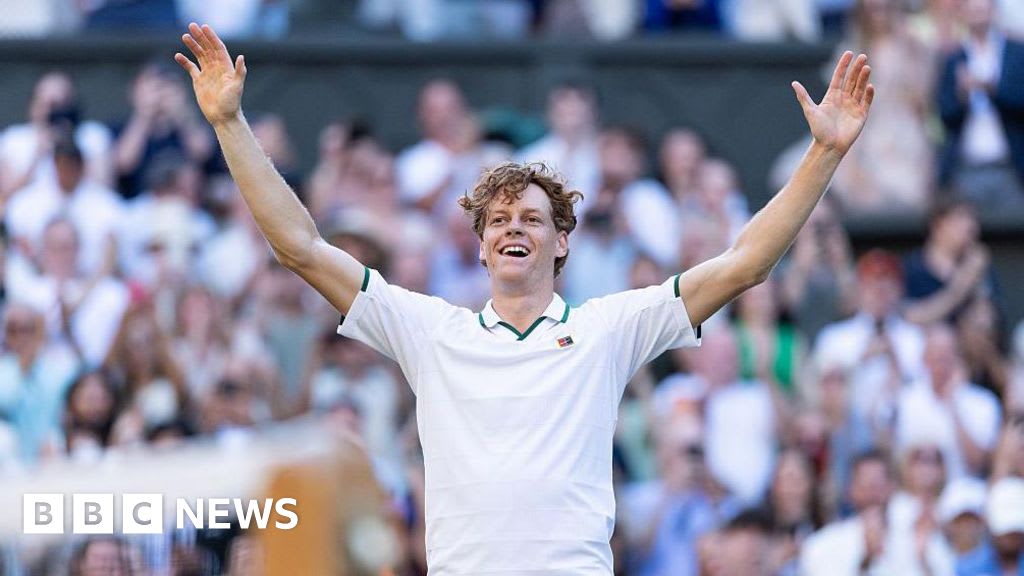
From mango ice cream to Bollywood playlists, Wimbledon is celebrating South Asian culture on and off the court.
BySagheen KhanPublished about an hour ago•4 min read
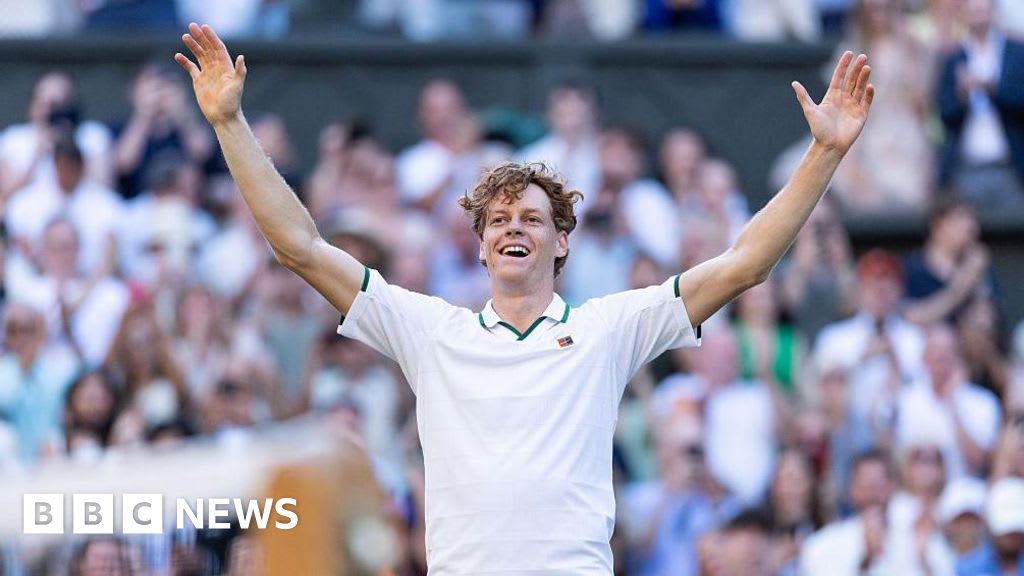
London, United Kingdom — Wimbledon, one of the world’s most prestigious tennis tournaments, is embracing a new cultural flavor this year by introducing Indian-inspired food, music, and entertainment experiences for visitors. From serving popular Indian ice cream varieties to playing Bollywood music in fan zones, the tournament’s organizers are aiming to celebrate the growing influence of South Asian culture and engage a broader international audience.
The move reflects Wimbledon’s efforts to modernize its image while maintaining the traditions that have defined the championship for more than a century. Known for its strict dress code, strawberries and cream, and grass-court heritage, Wimbledon has increasingly sought ways to connect with younger and more diverse audiences from around the world.
Tournament organizers say the introduction of Indian-themed attractions is part of a wider strategy to recognize the sport’s expanding global reach. India represents one of the largest tennis-viewing markets in the world, with millions of fans following major tournaments each year. Broadcasters and sponsors have also identified South Asia as an important region for future growth, making cultural engagement a key priority.
Among the most talked-about additions is the availability of Indian-inspired ice cream and frozen desserts at selected hospitality and fan venues. These offerings include flavors inspired by traditional favorites such as mango, pistachio, cardamom, and saffron. Visitors have responded positively, with many expressing curiosity about the unique taste combinations and cultural significance behind the desserts.
Food experts note that Indian ice cream, often known for its rich texture and distinctive spices, has gained popularity internationally in recent years. The growing presence of Indian restaurants, dessert shops, and food festivals across Europe has helped introduce these flavors to a wider audience. Wimbledon’s decision to feature them reflects broader culinary trends that celebrate cultural diversity and global cuisine.
Music has also become a central part of the experience. Fan areas and hospitality spaces have featured Bollywood-inspired playlists and live performances that blend contemporary Indian music with international sounds. Organizers believe the addition creates a vibrant atmosphere while showcasing a culture that resonates with many visitors and viewers.
Bollywood, India’s globally recognized film industry, has long influenced music, fashion, and entertainment far beyond the country’s borders. Its songs and dance routines have attracted audiences across Europe, North America, the Middle East, and Africa. By incorporating Bollywood beats into the Wimbledon experience, organizers are acknowledging the international appeal of Indian popular culture.
Industry analysts suggest the initiative is part of a broader trend among major sporting events to create immersive experiences beyond the competition itself. Modern sports fans increasingly seek entertainment, food, music, and cultural engagement alongside athletic performances. Events that successfully combine sport with lifestyle experiences often attract larger and more diverse audiences.
The connection between tennis and India is also significant. The country has produced several internationally recognized players and has maintained a passionate fan base for decades. Indian athletes have achieved success in doubles competitions and represented the nation at major tournaments, contributing to tennis’s popularity throughout the region.
Commercial considerations may also play a role in the cultural expansion. India is one of the fastest-growing consumer markets globally, attracting attention from international brands and sporting organizations. As competition for audiences intensifies, events such as Wimbledon are exploring new ways to strengthen relationships with viewers and sponsors in emerging markets.
Marketing experts believe culturally inclusive initiatives can help international tournaments remain relevant in an increasingly connected world. By highlighting traditions and experiences from different regions, sporting organizations can foster stronger emotional connections with fans while demonstrating openness to global audiences.
Visitors attending the tournament have largely welcomed the changes. Many describe the addition of international food and music as a refreshing complement to Wimbledon’s traditional atmosphere. While some longtime spectators prefer preserving established customs, others view the initiative as evidence that the tournament is evolving without abandoning its historic identity.
Organizers have emphasized that the core traditions of Wimbledon remain unchanged. The famous grass courts, white clothing requirements, and iconic strawberries and cream continue to define the championship. Rather than replacing these customs, the new cultural offerings are intended to enhance the overall visitor experience and reflect the tournament’s increasingly international character.
The initiative has also generated significant attention on social media, where fans have shared videos of Bollywood music performances and photographs of Indian-inspired desserts. Online discussions suggest that many viewers appreciate seeing one of tennis’s most traditional events embracing elements of contemporary global culture.
Sports business experts note that international tournaments face growing pressure to attract younger audiences who expect dynamic and inclusive experiences. Integrating cultural elements from key markets can help events remain competitive while creating memorable moments that extend beyond the sporting action itself.
As Wimbledon continues to balance tradition with innovation, its embrace of Indian culture offers a glimpse into how major sporting events may evolve in the future. The combination of Indian ice cream, Bollywood music, and world-class tennis highlights the increasingly global nature of modern sport, where cultural exchange plays an important role in shaping fan experiences.
For Wimbledon, the experiment represents more than a marketing initiative. It reflects the changing demographics of global sports audiences and the recognition that cultural diversity can enrich even the most established institutions. Whether through food, music, or shared experiences, the tournament’s latest additions demonstrate how tradition and modernity can coexist on one of the world’s most famous sporting stages.
