When Raven Vaughn boarded a plane bound for southern Africa earlier this summer, she expected to learn about another part of the world. She didn’t expect the trip to change the way she viewed education, community and even life itself.
The Hobbton Middle School sixth-grade teacher was selected through a competitive fellowship sponsored by Simple Gifts in partnership with GoGlobal, an international organization that has spent decades connecting educators with classrooms around the world. Through the program, Vaughn joined fellow rural educators from North Carolina for nearly two weeks traveling through Botswana, Zambia, Zimbabwe and South Africa, visiting schools, nonprofit organizations and local communities to exchange ideas and explore educational practices.
The experience, she said, extended far beyond professional development.
“It really broadened my perspective,” Vaughn said in a recent interview. “I came back thinking less about test scores and more about community. That’s the biggest thing I’m bringing back to my students.”
For Vaughn, education in southern Africa wasn’t confined to the four walls of a classroom.
“It takes a village to raise a child,” she said. “That wasn’t just something people said. It was something you could actually see.”
Teachers worked alongside community members, church organizations, elders and nonprofit groups, all focused on helping children succeed long after the school day ended.
One organization particularly stood out.
“They follow a child from enrollment all the way to employment,” Vaughn explained. “It’s beyond academics. They help with homework, life skills, job skills and then even hire graduates to come back and mentor the next generation.”
That philosophy resonated with Vaughn, especially as someone who teaches sixth grade — a pivotal transition between elementary and middle school.
“I think mentorship needs to come back,” she said. “Not just teacher to student, but student to student. We have to help students think about their futures earlier and support them beyond what’s happening in the classroom.”
Throughout the trip, Vaughn discovered that while cultures may differ, many educational challenges remain surprisingly familiar: funding shortages, teacher vacancies, bullying, technology, and economic hardship.Even the lingering effects of historical injustice.
“In South Africa, they’re still dealing with the aftermath of apartheid, just like we’re still dealing with the effects of Jim Crow here,” she said. “Those adversities are different, but they’re also very similar.”
What impressed her wasn’t the existence of those challenges. It was the response.
“They see obstacles as something they can overcome,” Vaughn said. “They have this mindset of being agents of change. They’re resilient.”
She believes that outlook offers an important lesson for American educators and students alike.
“Sometimes we feel stuck,” she said. “Over there, they acknowledge the challenges, but they keep moving forward together.”
Like many Americans, before her first visit to Africa, Vaughn admitted she had preconceived notions about what she would find.Those assumptions quickly disappeared.
“We’re shown this image that Africa is all wilderness and wildlife,” she said. “Yes, we saw elephants, baboons and hyenas. We went into wildlife areas where animals crossed the roads. But it was so much more developed than I expected.”
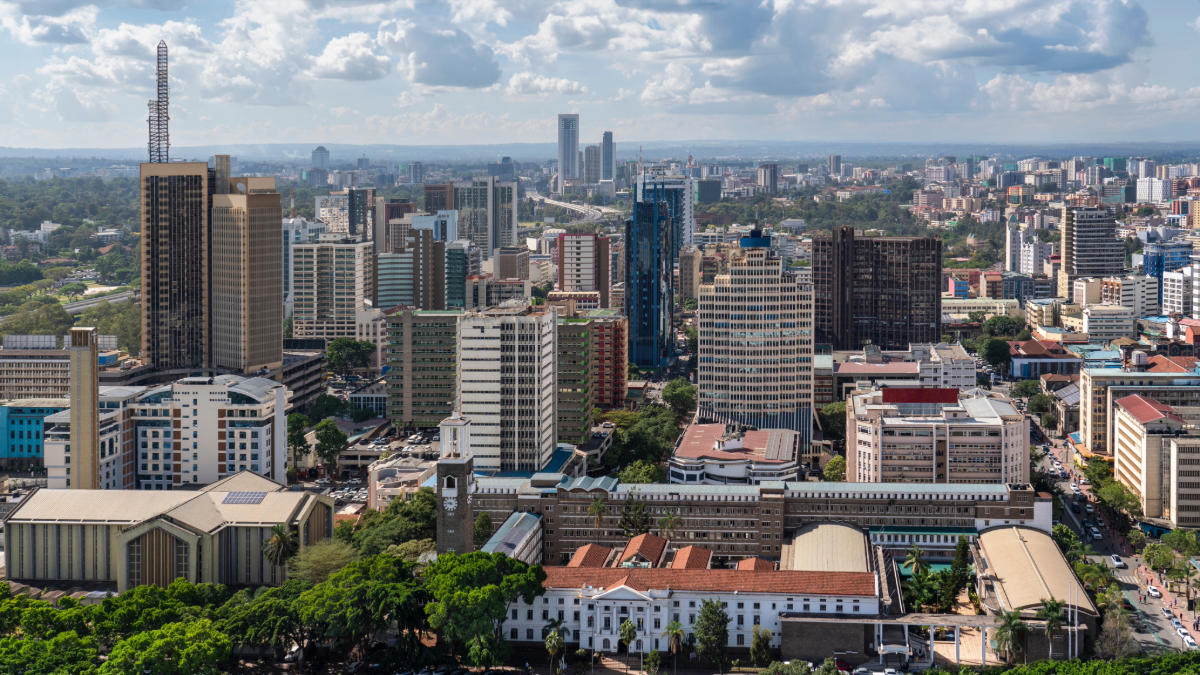
Cities bustled with activity. Communities had businesses, schools and infrastructure.Even rural villages found innovative ways to sustain themselves through farming, water projects and nonprofit partnerships.
“They didn’t look at themselves as not having enough,” Vaughn said. “They had enough. They worked with what they had.”
That attitude left one of the deepest impressions on her.
If there was one lesson Vaughn wishes Americans could experience firsthand, it would be gratitude.
“We take so much for granted,” she stressed.
Something as simple as turning on a faucet became a reminder of how fortunate many Americans are.“We were told only to drink bottled water in many places,” she recalled.
Even classroom supplies carried a different meaning.
While volunteering in literacy centers, Vaughn found herself creating educational materials from what Americans would often consider scrap paper.
Children treasured pencils worn down to the size of golf tees.Nothing was wasted.
“Those students and teachers appreciated everything,” she said. “Things we might throw away meant the world to them.”
The experience challenged America’s culture of convenience and consumerism, she said.
“We’re always thinking we need more,” Vaughn said. “They don’t think that way. They appreciate what they have.”
Beyond education, Vaughn noticed another striking cultural difference — time.
“In America, we’re driven by schedules,” she said. “Everything has to happen at a certain time.”
Life in southern Africa felt different.“There wasn’t that same time crunch,” she explained. “Things flowed naturally. You stayed where you needed to stay until it was time to move on.”
It was a slower pace that encouraged people to be fully present rather than constantly watching the clock.“I wish we had more of that freedom here.”
Some of Vaughn’s most memorable moments happened inside classrooms.
Many schools, she said, had between 60 and 80 students in a single classroom.Despite those numbers, she witnessed remarkable respect between teachers and students.
“The students were incredibly communicative and engaged,” she said.
At one Catholic school, the entire student body gathered daily to share lunch as a community.Students sang traditional songs.Teachers danced alongside them.Older children helped younger students see the performances.Everyone, she attested, participated.
“It wasn’t separated by grade levels the way we often do here,” Vaughn said. “Everybody supported everybody.”
That sense of belonging is something she hopes American schools can embrace more intentionally.
“I think students benefit when they learn from one another,” she said. “Everybody has a story that could inspire someone else.”
She reflected on her own experience as part of Hobbton’s inaugural Peer Group Connections program, which paired younger students with upperclassmen for mentorship.
“It made a difference in my life,” Vaughn said. “I wish more programs like that still existed.”
One of the fellowship’s unexpected lessons came when Vaughn found herself unable to understand conversations happening around her.
Many children were taught in their native languages. Suddenly, she wasn’t the teacher anymore.She was the student.
“It helped me understand exactly what many of my own students experience,” she said, referring to language barriers faced by some children in Sampson County’s growing multilingual population.
“I gained a new level of humility because I realized what it feels like not to understand everything happening around you.”
That perspective, she believes, will make her a more compassionate educator.
Vaughn’s journey began after being selected as part of the North Carolina Department of Public Instruction’s Rural Teacher Leadership Network.
She was encouraged by Vevlyn Lowe of Simple Gifts to apply for the fellowship.
After multiple interviews, Vaughn was selected.
Each year, GoGlobal partners with organizations across North Carolina to send educators from rural communities overseas, encouraging them to return with fresh ideas that strengthen schools back home.
“The goal is to broaden our perspectives as educators,” Vaughn said. “To exchange teaching practices, learn from one another and bring those ideas back to our communities.”
She enthusiastically recommends the experience to other educators.“If you have the opportunity, go,” she said.
“I never wanted to leave,” she admitted.
What began as nervousness about traveling across an ocean alone quickly transformed into a deep connection with the people and communities she encountered.
Now she’s working toward returning through Children in the Wilderness, a nonprofit organization she partnered with during the trip.
She hopes to volunteer during Christmas break, spring break or next summer.
She’s even considered participating in a teacher exchange program that would place her in southern Africa while welcoming African educators into American classrooms.
For Vaughn, the journey didn’t end when the airplane landed in North Carolina.Instead, it became the beginning of something much bigger.
“Education looks different around the world,” she said. “But at its heart, it’s still about people caring for people. That’s what I’ll remember most, and that’s what I want to bring back to my students.”