

Africa’s economic outlook faced fresh headwinds this week, as the African Development Bank warned that rising temperatures could erode up to $20 billion from vulnerable economies. Inflation accelerated across much of the continent after last year’s easing, and economists urged Nigeria and South Africa to diversify their trade as global protectionism intensifies.
Meanwhile, the naira continued to defy a stronger US dollar, while Afreximbank’s digital trade platform completed another milestone cross-border transaction, highlighting the continent’s push toward deeper regional integration.
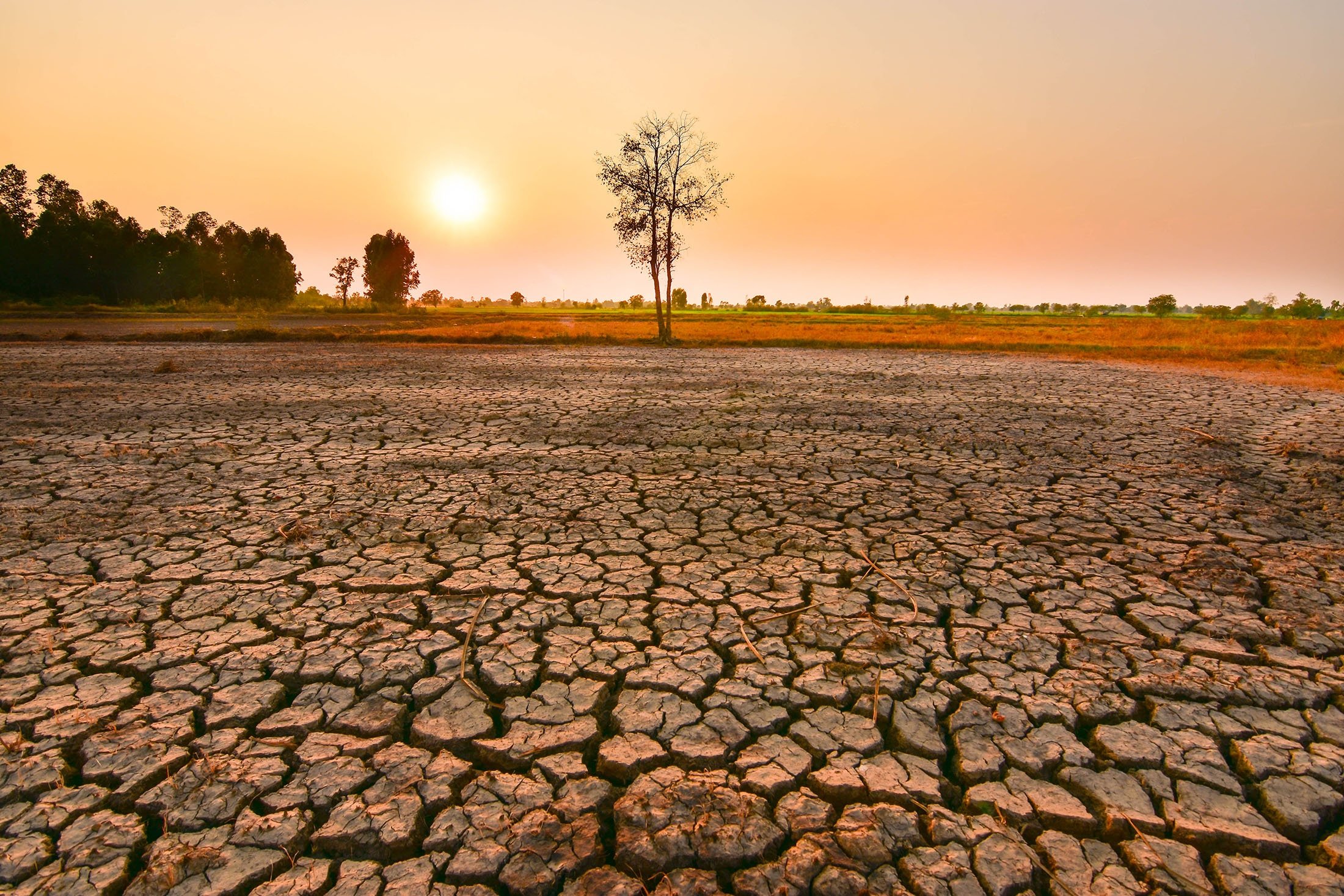
Rising temperatures could wipe $20bn off African economies, AfDB warns
A potential “super” El Niño weather event, driven by warming Pacific Ocean temperatures, could wipe between $10 billion and $20 billion from the economies of Africa’s hardest-hit countries while triggering mass displacement, higher food prices and increased government borrowing, the African Development Bank (AfDB) has warned.
Anthony Nyong, the AfDB’s director for climate change and green growth, told Reuters the climate phenomenon could reduce Gross Domestic Product by between one percent and two percent in the most affected countries, threatening economic growth and placing additional pressure on already fragile public finances.
Why it matters: Climate shocks are becoming a growing macroeconomic risk for the continent. Beyond humanitarian impacts, they can weaken fiscal balances, increase debt burdens, fuel inflation and reduce investor confidence, making climate resilience increasingly central to economic policy and development financing.
Africa’s inflation fight falters as Ethiopia, Egypt, Kenya lead price surge
Africa’s progress in taming inflation is showing signs of reversing, with several of the continent’s largest economies recording faster consumer price growth in the first half of 2026 after a year of easing inflation.
A BusinessDay analysis of inflation data from 10 major African economies found that all recorded higher inflation during H1 than in the same period last year. Higher fuel prices following the Iran conflict have filtered through transport, food and household costs, complicating central banks’ efforts to keep inflation under control.
Why it matters: A renewed rise in inflation could delay interest rate cuts, keep borrowing costs elevated and weaken household spending, threatening the economic recovery across several African economies.
Nigeria, South Africa seen weathering Trump tariffs as global trade barriers rise
Africa’s two biggest economies are expected to withstand the immediate impact of new United States tariffs, but economists say the measures reinforce a broader shift toward global protectionism that could accelerate efforts to diversify exports and strengthen regional trade.
Analysts say the tariffs announced by US President Donald Trump are unlikely to significantly hurt Nigeria and South Africa because many of their key exports remain exempt. However, they warn that African economies can no longer rely heavily on traditional export markets amid rising global trade barriers.
Why it matters: While the short-term impact may be limited, rising protectionism could reshape global trade flows, increasing the urgency for African countries to deepen intra-African commerce through the African Continental Free Trade Area (AfCFTA) and expand into new export markets.
Why the naira is holding firm despite a stronger US dollar
Nigeria’s naira extended its gains across the foreign exchange market despite renewed strength in the US dollar, supported by improved domestic dollar liquidity, stronger external reserves and growing investor confidence in the Central Bank of Nigeria’s foreign exchange reforms.
A stronger dollar typically puts pressure on emerging market currencies by attracting capital to Amercia’s assets and increasing import costs. However, Nigeria’s foreign exchange market has remained resilient, helped by better dollar supply and improved market confidence.
Why it matters: The naira’s stability could help moderate imported inflation, improve business planning and reinforce confidence in Nigeria’s foreign exchange reforms, although sustained gains will depend on continued liquidity and policy credibility.
Afreximbank’s digital trade platform unlocks $5.3m cross-border fuel deal
Afreximbank’s Africa Trade Gateway (ATG), its flagship digital trade ecosystem, has facilitated a $5.3 million cross-border gasoil transaction, highlighting the platform’s growing role in connecting African businesses with trade finance and cross-border commercial opportunities.
The deal enabled Zimbabwean fuel importer Witeva Trading toank serving as the issuing financial institution and Afreximbank providing confirmation support under a structured trade finance arrangement
Why it matters: The transaction demonstrates how digital trade platforms are helping reduce barriers to cross-border commerce by improving access to trade finance, streamlining transactions and supporting the goals of the African Continental Free Trade Area.
Join BusinessDay whatsapp Channel, to stay up to date