27 de julio de 2026 (13:14 h.)
TagsMoroccoTunisiaAlgeriaMaghreb
Solidarity in the Maghreb is emerging as a fundamental component in the face of the devastating fires affecting several regions of North Africa, particularly Algeria and Tunisia. These events, linked to the worsening effects of climate change, present a challenge that transcends national borders and necessitates regional cooperation. Beyond traditional political tensions, the response led by King Mohamed VI reflects a strategic commitment to preserving lives, ecosystems, and socio-environmental stability in the region.
This phenomenon, which is also observed in nearby areas such as Spain and France, highlights how climate change has intensified the frequency and severity of wildfires in Mediterranean regions. Solidarity and coordination among Maghreb countries thus become a political and ethical priority for addressing a threat that demands re
Context of Climate Change and Wildfires
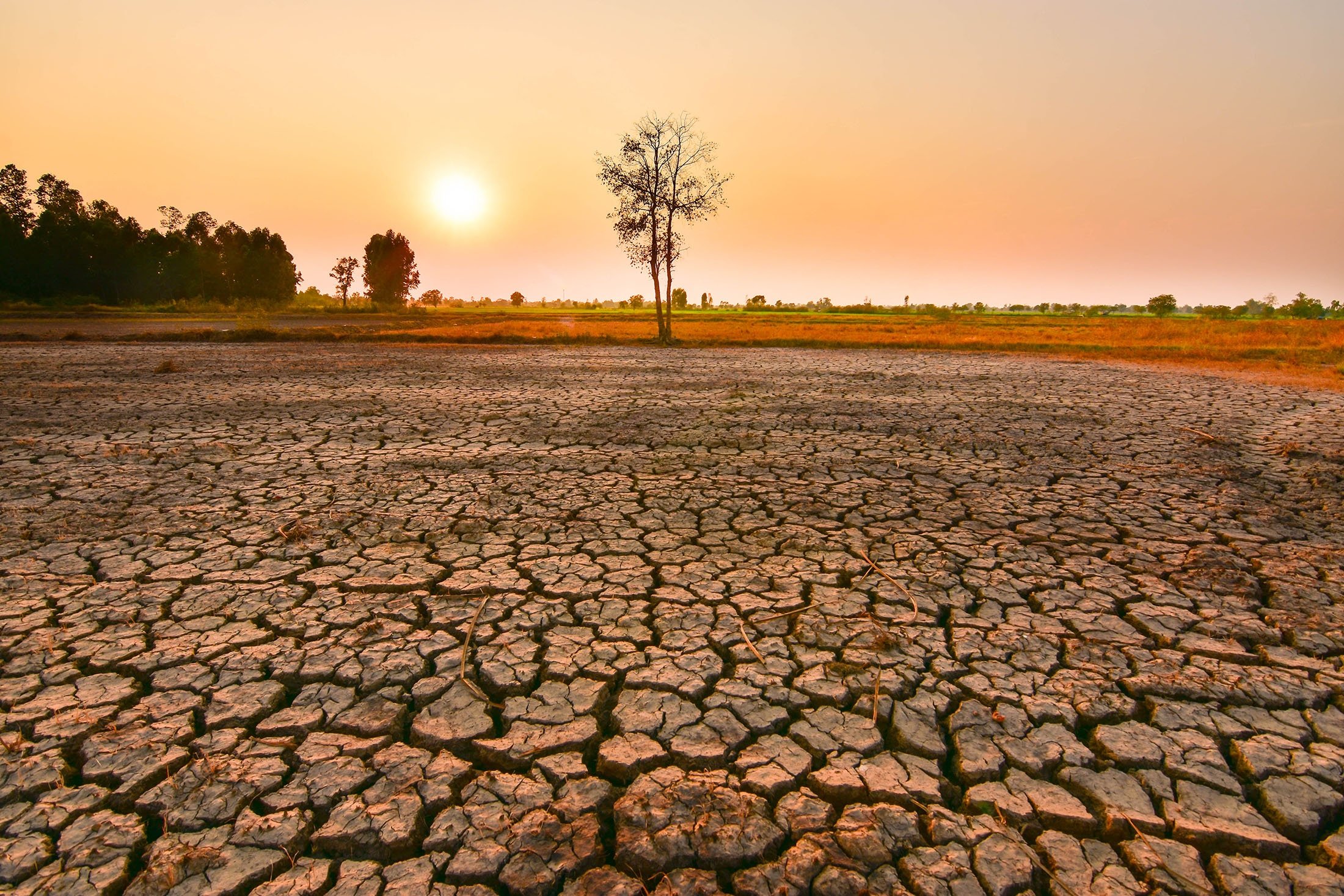
Global warming has created conditions that increase the vulnerability of Mediterranean forests to increasingly severe wildfires. Extreme temperatures, prolonged droughts, and dry winds have created an ideal breeding ground for the rapid spread of fire, affecting key regions of the Maghreb such as Algeria and Tunisia. These fires not only have an environmental cost but also directly impact the local economy, biodiversity, and the health of communities.
This scenario necessitates understanding climate change as a multidimensional phenomenon, in which natural disasters serve as alarming indicators of the need for sustainable and collaborative management of natural rets; rather, they require a regional approach that integrates all relevant stakeholders

Joint Response and Regional Cooperation
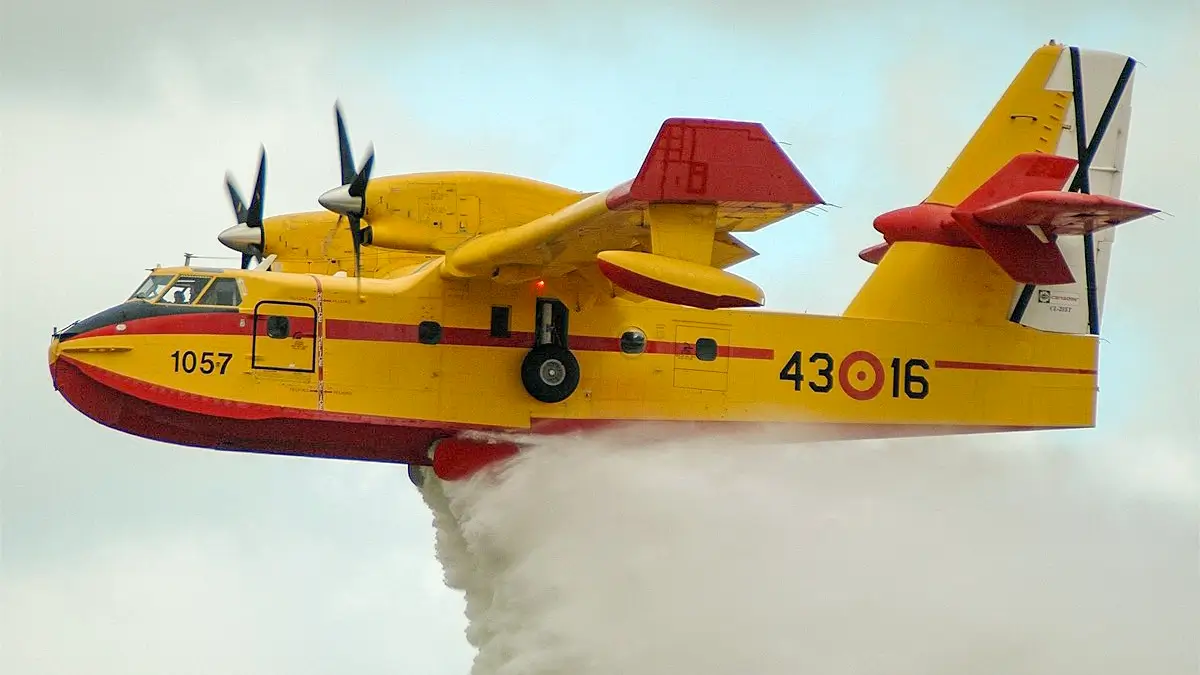
In this context, joint response and regional cooperation have become indispensable pillars in the fight against wildfires. The most visible public commitment has come from King Mohammed VI of Morocco,who has ordered the deployment of specialized re neighboring countries such as Algeria. This technical collaboration reflects a shift toward a policy of integrated action that transcends geopolitical differences
Morocco’s technological capabilities, combined with its experience in multisectoral interventions, are shared within a framework of mutual aid aimed at optimizing the effectiveness of fire containment and control. These measures seek not only to mitigate the current disaster but also to implement a permanent protocol capable of responding rapidly to <a href="https://absafricatv9491.live-website.com/exploring-the-future-of-work-in-africa-global-health-otherwise-2/” title=”Exploring the Future of Work in Africa – Global Health Otherwise”>future emergencies, thereby ensuring regional security.
Challenges in Prevention and Response
The fires affecting the Maghreb region pose a major challenge in terms of prevention, rapid response, and restoration. The environmental and social complexity requires coordinated efforts to develop early-warning systems, resilient infrastructure, and specialized training for emergency response teams. Each country must contribute and share ree policies
Furthermore, cooperation must include the recovery of affected areas, seeking to restore ecosystems and mitigate the impact on local populations. Long-term planning also involves investments in technology and training to strengthen operational capacity, adapting to increasingly intense phenomena resulting from climate change.
The Role of Civil Society and Popular Solidarity
Beyond official decisions, civil society and popular solidarity play a crucial role in emergency response in the Maghreb. On social media and within citizen movements, expressions of support and cooperation emerge that strengthen the social and cultural fabric shared by these countries. This support reaffirms the value of unity in times of crisis.
Citizen solidarity thus becomes an indispensable complement to government action, reinforcing the idea that natural disasters require not only technical assistance but also a collective commitment to protecting the environment and preserving communities. This comprehensive approach is essential for progress in a region facing growing environmental and social risks.
TagsMoroccoTunisiaAlgeriaMaghreb




.jpg?disable=upscale&width=1200&height=630&fit=crop "Ghana’s The ShowMe App")



/health-and-multilateral-partnerships-(hmp)/cso-sf4h-dialogue-1-panelists_10-dec-2025.tmb-1200v.jpeg?sfvrsn=fc5c629e_1 "Health financing under pressure as civil society calls for urgent action")