

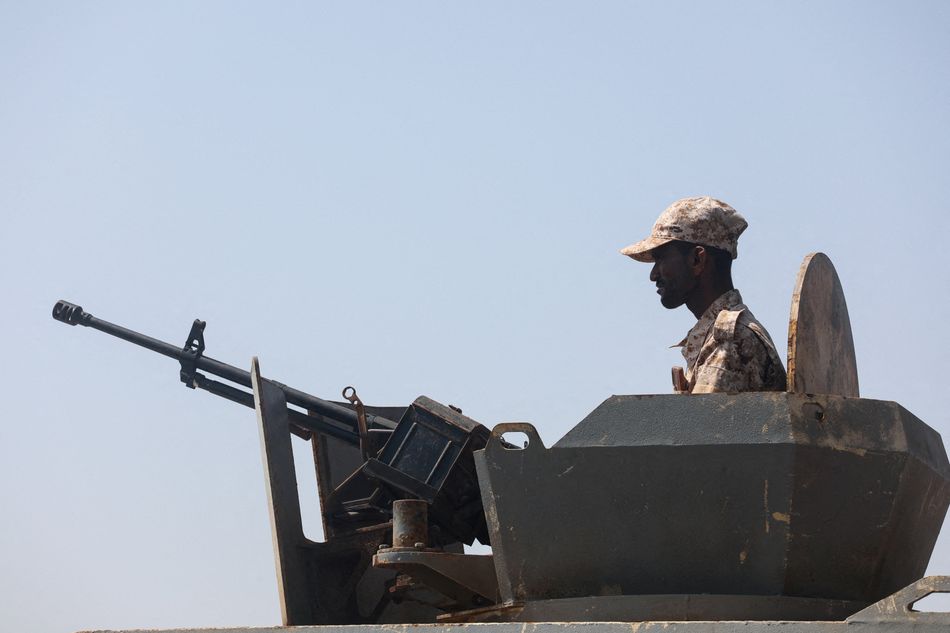
Eastern African importers face fresh costs after Yemen’s Iran-backed Houthis expanded the Gulf conflict by threatening Saudi-linked vessels transiting the Bab el-Mandeb Strait. The Houthis had largely stayed out of the Gulf crisis after agreeing not to target US vessels in the Bab el-Mandeb.
This week, however, they declared a “maritime embargo” on Saudi-linked vessels using the strategic waterway. Import costs remain stable, but oil topped $100 a barrel on Wednesday for the first time since May as renewed insecurity threatened shipping through the Bab el-Mandeb and Strait of Hormuz. The Bab el-Mandeb, between Yemen, Djibouti and Eritrea, carries 12 per cent of global trade and seven per cent of oil supplies.
Most East African imports pass through the Bab el-Mandeb and the Strait of Hormuz, exposing the region to disruption. The Port of Mombasa, the region’s busiest gateway, relies on Bab el-Mandeb traffic to connect with Europe, the Mediterranean and the Middle East. It serves Kenya, Uganda, Rwanda, Burundi, South Sudan, eastern Democratic Republic of Congo and northern Tanzania. Kenya Ports Authority Managing Director Captain William Ruto said Mombasa and Lamu ports were ready to accommodate rerouted vessels.“At Mombasa and Lamu, we are ready to assist vessels that change routes and require our services. Business must continue despite these challenges, and KPA is equipped to handle increased traffic,” he said.
Kenya briefly benefited when Iran-US tensions disrupted Gulf shipping and some Dubai-bound vessels diverted to Lamu. However, higher port activity could be offset by rising costs for importers reliant on Middle Eastern markets.
Automatic Identification System (AIS) data showed at least three oil tankers changing course near Bab el-Mandeb, though none had been attacked. The Singapore-flagged Xin Long Yang and Liberia-flagged Rodos, carrying Saudi crude from Yanbu, reversed course while sailing south through the Red Sea. Hong Kong-flagged New Prime also turned back after approaching the Gulf of Aden.
“There have been no Houthi attacks on shipping in the Red Sea or Gulf of Aden since the latest threats were issued.”For Kenya, Uganda and Rwanda, which import nearly all their petroleum products, the effects would extend beyond fuel prices. Kenya has already halved VAT on fuel to cushion consumers against rising prices and recently extended the measure by three months. Higher costs would stem not only from constrained supplies but also from increased insurance premiums and longer shipping routes.“If vessels avoid the Red Sea again, shipping companies would have to sail around South Africa’s Cape of Good Hope, adding almost a month to voyages and raising freight charges,” said John Kariuki, a Mombasa petroleum dealer. “The longer route would increase insurance premiums, bunker fuel costs and container rates, with the extra costs passed on to consumers.”The disruption would raise transport costs, diesel-powered electricity generation expenses, and prices of food, fertiliser and manufactured goods across the region. The United Nations Conference on Trade and Development has warned that prolonged disruptions at maritime chokepoints could add more than $20 billion annually to oil import bills in vulnerable developing economies.
For East African economies battling inflation and weaker currencies, the crisis is no longer just a Gulf security issue. “It is an African economic issue because nearly every imported commodity entering East Africa relies on these sea lanes,” Mr Kariuki said.
The Houthis said the blockade was retaliation for what they described as Saudi Arabia’s “unjust and oppressive siege” on Yemen, accusing Riyadh of restricting Yemeni ports and airports for more than a decade.
Saudi Arabia condemned the move as a breach of international law and maritime piracy, and pledged to strengthen protection for commercial vessels using the Bab el-Mandeb. Whether the measures will prevent attacks remains unclear.
Since late 2023, the Houthis have launched dozens of missile and drone attacks on vessels they linked to Israel, forcing major shipping companies to suspend Red Sea transits and divert ships around southern Africa.
TopicsLOGISTICSTRADEEAST AFRICATRANSPORTMIDDLE EAST
